Fresno hospital leaders prioritized personal interests over patients. They should resign
READ MORE
Care & Conflict: CMC’s money moves
Click the arrow below for more coverage of Community Medical Centers’ expansion of its affluent Clovis campus.
Expand All
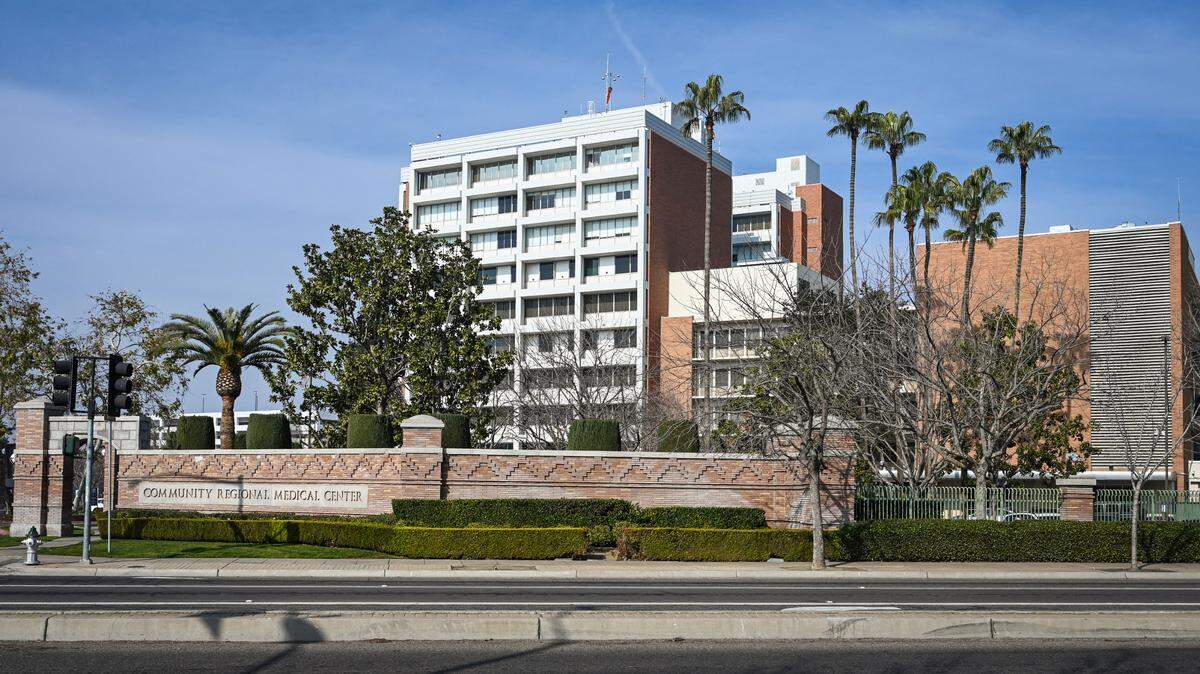
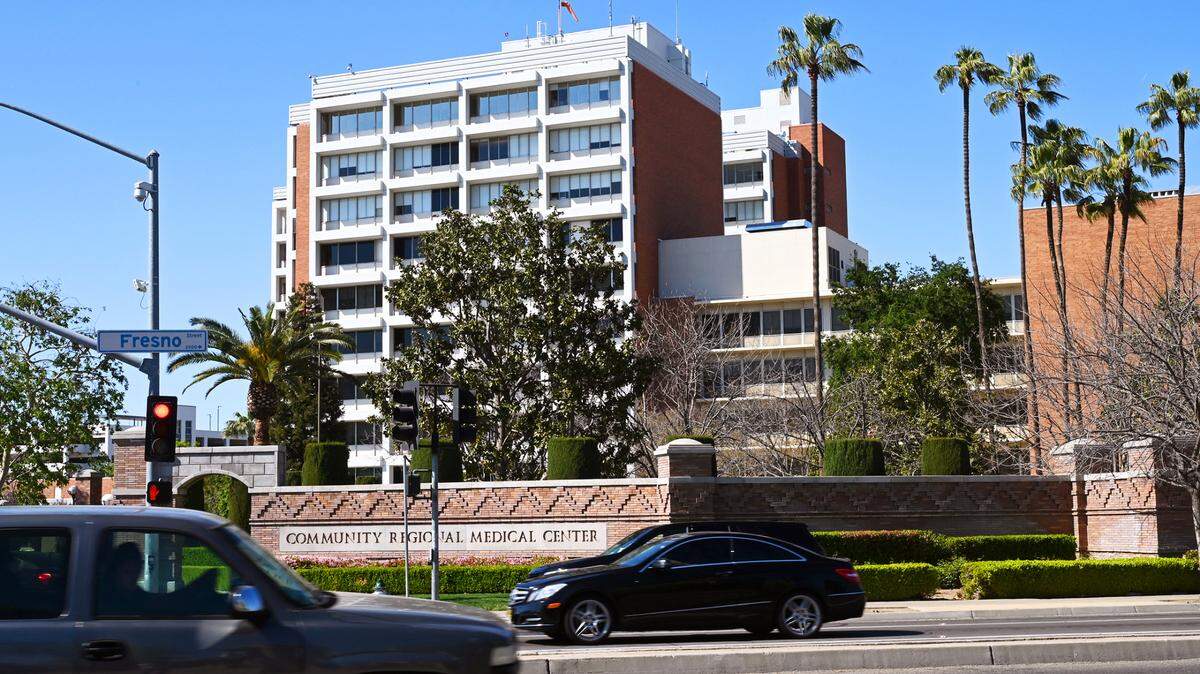
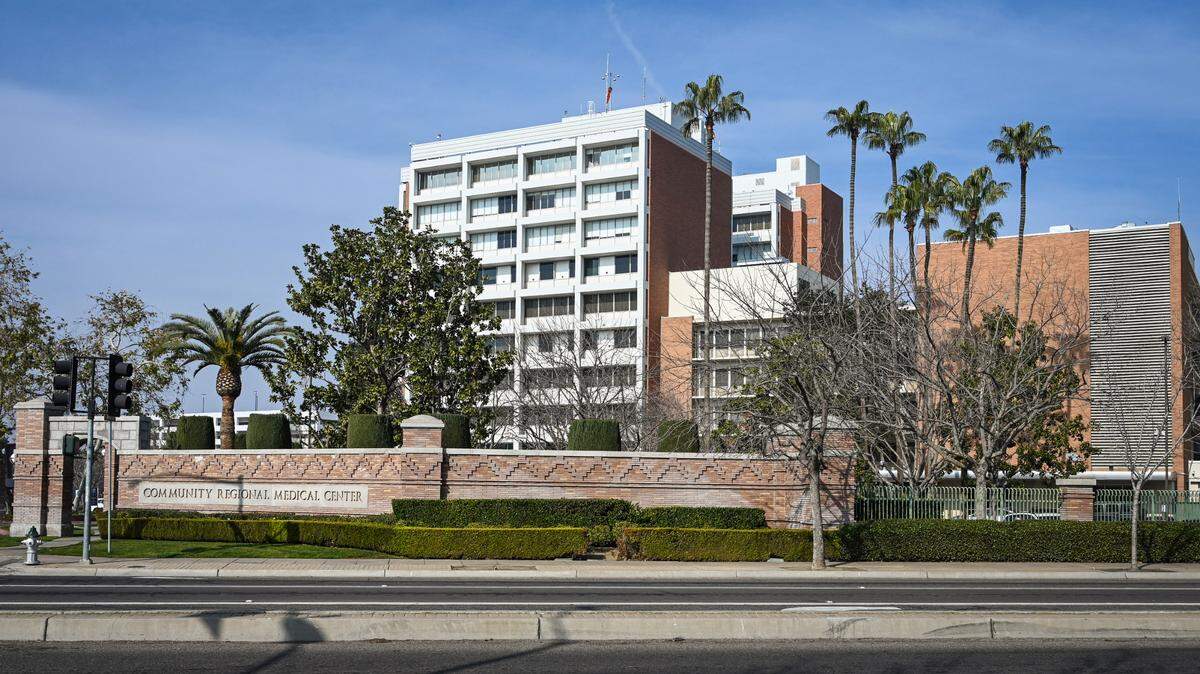
In countless ways, the importance of Community Regional Medical Center in Fresno cannot be overstated.
It forms a landmark constellation of buildings in the heart of Fresno. Its large workforce is an economic driver downtown, and CRMC operates the highest-level trauma center from Sacramento to Los Angeles. It is also where most of the people living in Fresno’s low-income neighborhoods south of Shaw Avenue get medical help.
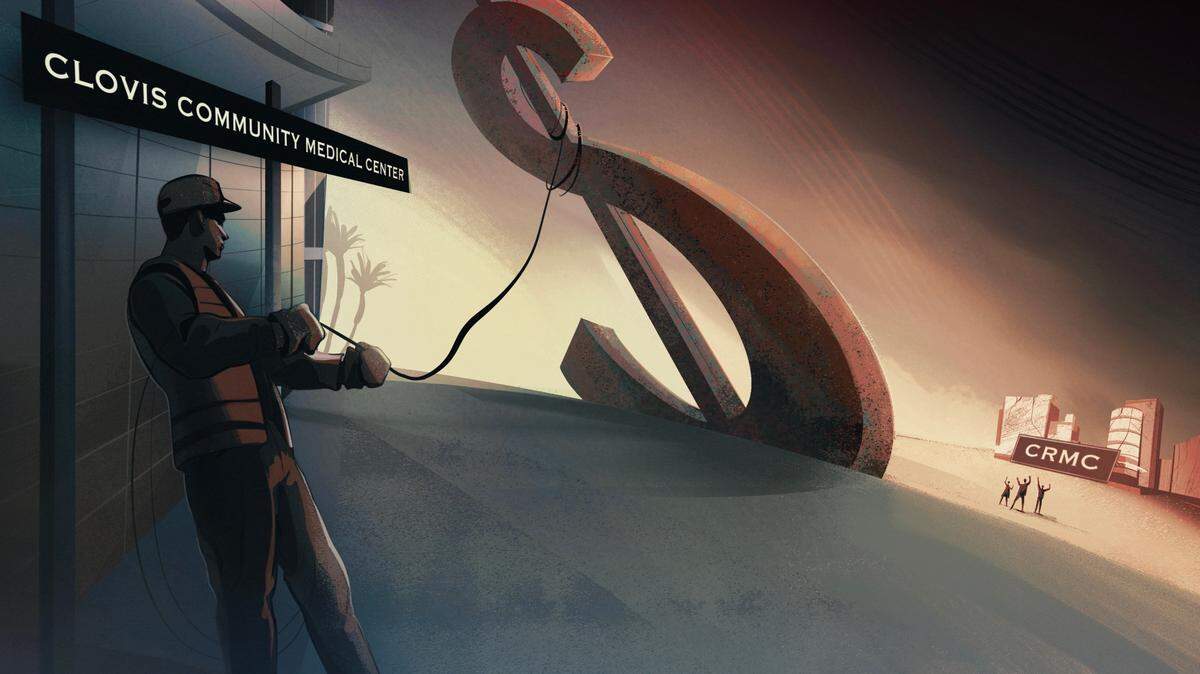
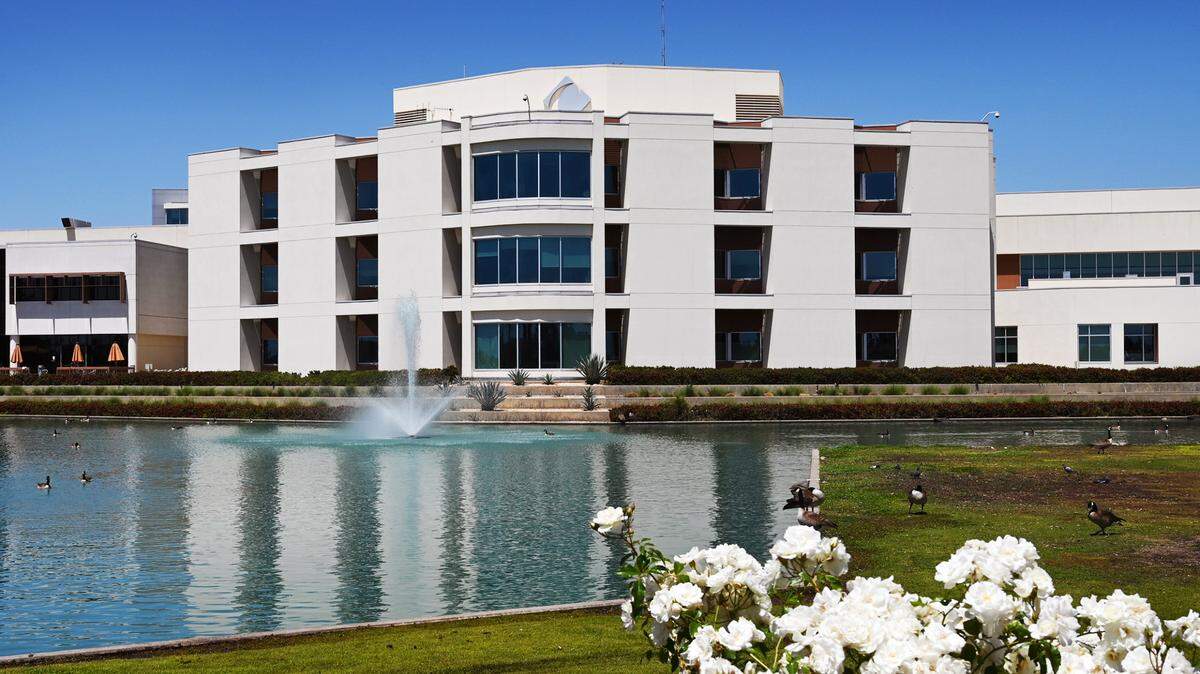
Yet the board of trustees has pursued a strategy over the last decade that has emphasized development of Clovis Community Medical Center, the complex some 15 miles east of downtown, to the serious detriment of the main facility.
Leaders of Community Medical Centers, the parent company for both hospitals, won’t detail exactly how much money has been diverted over recent years from the downtown campus to projects at Clovis.
But money that rightly should have been used to strengthen older CRMC buildings against earthquakes has instead, by board decision, been invested in gleaming new buildings and specialty care at the Clovis campus. Close to $1 billion in expansion has occurred there.
Now CRMC is on the knife edge of a key seismic deadline. Short of getting the buildings fixed by 2030 or winning government approval for an extension, Community Regional faces the possible loss of its license to operate until those structures are brought into compliance. Those buildings, dating to the 1950s and ‘60s, house 90% of the hospital’s beds.
These findings are the result of a two-year-long investigation by Bee senior reporter Yesenia Amaro. She pored over hundreds of pages of government documents and conducted extensive interviews with CMC executives and experts in the field of nonprofit medicine.
The thousands of staff at Community Regional — from doctors and nurses to aides, cooks and cleaning crew — do vital work every day that literally saves lives. CRMC is so critical that if it closed or had to scale back care, the impacts would be devastating not only to Fresno, but also to the greater San Joaquin Valley.
How did this happen? One answer lies in the conflicts of interest among certain board members, including chairman Farid Assemi, and the for-profit medical school he and a fellow trustee opened and operate a mile from Clovis Community.
His stance that his dual roles on the CMC board and as the owner of the school are not in conflict belies belief. The best way to secure Community Regional’s future is for Assemi and the others to step down from the board — now.
Clovis hospital’s specialty care
A significant issue complicating the challenges facing Community Regional relates to how CMC executives decided to use their revenues. In the words of Craig Castro, chief executive officer, federal money meant to support low-income patients “is viewed as a system asset, and we’re looking to serve the region.”
In other words, what fulfills a goal of the executives for the overall region, such as a cancer treatment center at the Clovis site, became a higher priority than required repairs at the downtown hospital serving low-income people.
This is despite the fact that the Fresno hospital is much more valuable when it comes to federal reimbursements. In 2021-22, the downtown facilities generated $128.1 million in payments from a federal program. By comparison, the Clovis hospital generated only $22.4 million. About six times more low-income patients are helped downtown than at Clovis Community.
Specialty care like what’s provided at Clovis Community is beneficial to a medical company because private insurers pay for such treatments.
Conflicts of interest
The second answer to the question of how this situation occurred is found in the conflicts of interest.
The Bee’s investigation reveals an extensive intermingling of personal business goals of CMC board chairman Assemi and other CMC board members with their professional responsibilities to the nonprofit hospital.
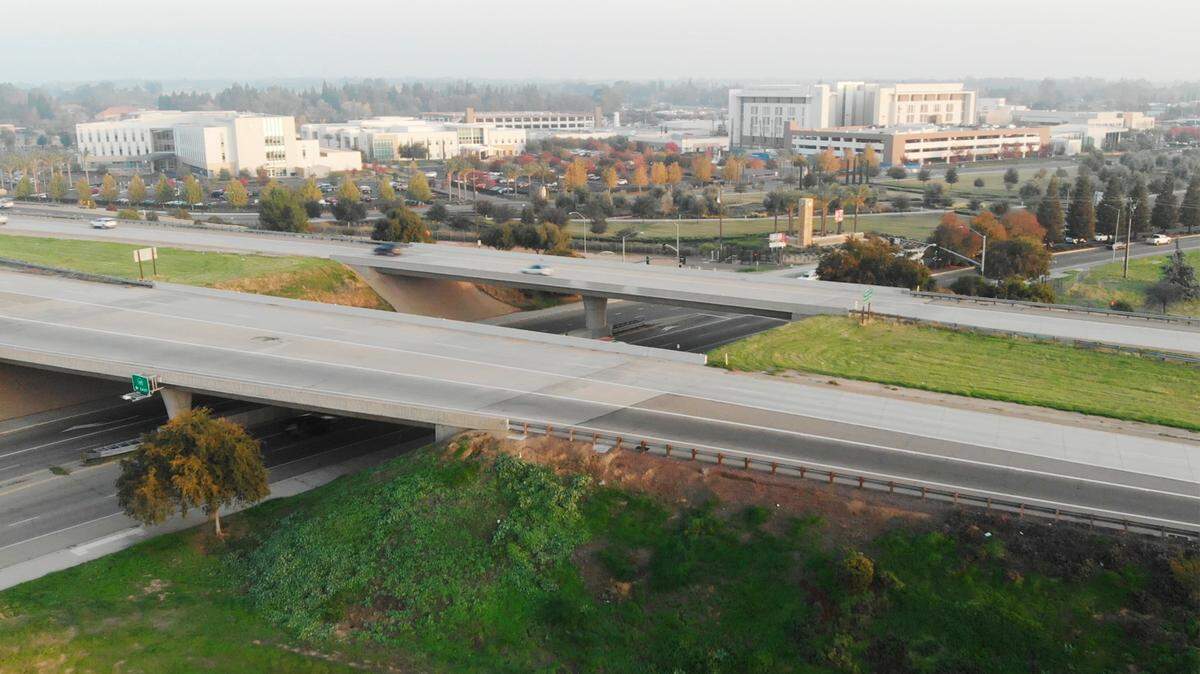
Assemi was recruited to the Community Medical Centers board in 2009 by trustee Flo Dunn. A year later, expansion work began at the Clovis hospital. Assemi and Dunn next decided to construct a for-profit pharmacy and osteopathic medical school, the California Health Sciences University. Today, it operates a mile away from the Clovis medical center, just across Highway 168 off Temperance Avenue.
Once Dunn’s term as trustee ended in 2016, Assemi let her sit in on meetings as a “guest,” a strange and virtually unheard-of arrangement. She has even been allowed to work on contracts, despite having no official board role.
Besides being a co-owner, Dunn is also president of the university. One of her sons is vice president for operations. Another son ran a wellness center at the school that has since shut down. Over the years, CMC has paid $1 million in contracts to the school.
Another hospital trustee, Susan Abundis, at one time was chief operating officer for the wellness center. She also served on the school’s board while simultaneously on the hospital board. Abundis is a former banker for Assemi.
Yet another trustee, developer Jerry Cook, sold land to CMC across from the Clovis hospital in 2013 while on the CMC board. The sales totaled $3 million. He attempted in 2020 to sell more land to the hospital, but was rebuffed.
A newer board member, Karen McCaffrey, sold some Madera property to CMC in 2017. Part of a prominent developer family, she joined the board in 2020.
Nonprofit experts say while it’s likely no legal violations have occurred, the ethical questions are obvious.
Only solution: Those with conflicts must resign
Like many hospital companies, CMC wants a legislator to carry a bill to extend the seismic deadline. (In fairness, Community Regional is not the only hospital in the state needing to meet the requirement.)
But even if legislation passes, it would be a short-term solution to a bigger problem, which is getting the seismic strengthening done as required. Costs have risen during the years of delay.
Looming over all of this is the issue of who is on the board and their conflicts of interest, which are too large to ignore or explain away.
In a meeting with The Bee Editorial Board some months ago, Assemi repeatedly emphasized he is singularly motivated to do good for Fresno, an adopted home that he, a native of Iran, has come to love. If he is truly sincere in that sentiment, the best thing Assemi could do is relinquish his position on the CMC board to end conflicts between his university and the hospital company.
It’s pretty straightforward: Either own the university and run it, or remain on the CMC board but sell his interest in the school. He cannot do both at the same time and proclaim he is ethically without conflicts of interest.
For that matter, Abundis and Cook should also resign from the board and be replaced. Their conflicts of interest are also intolerable.
The point is to have a board that operates the hospitals for the betterment of the entire Fresno-Clovis community, not the enrichment of the few.
If they refuse to step down, the state attorney general should investigate the trustees’ decisions in the past decade for impropriety.
A legislator such as Assemblymember Joaquin Arambula, himself an emergency room physician, should also review current laws about conflicts of interest among nonprofit hospital board members involved with secondary pursuits, like a medical school. If there is no law limiting such entanglements, he should propose legislation that would do just that.
Community Regional Medical Center delivers lifesaving medical care every day, most often for the neediest of Fresnans at the landmark downtown facilities. Community Medical Centers’ board cannot, and must not, be an obstacle to the hospital’s operation now and into the future.
This story was originally published August 25, 2022 at 5:00 AM.