Farid Assemi wears many hats. But are two of them in conflict?
READ MORE
Care & Conflict: CMC’s money moves
Click the arrow below for more coverage of Community Medical Centers’ expansion of its affluent Clovis campus.
Expand All
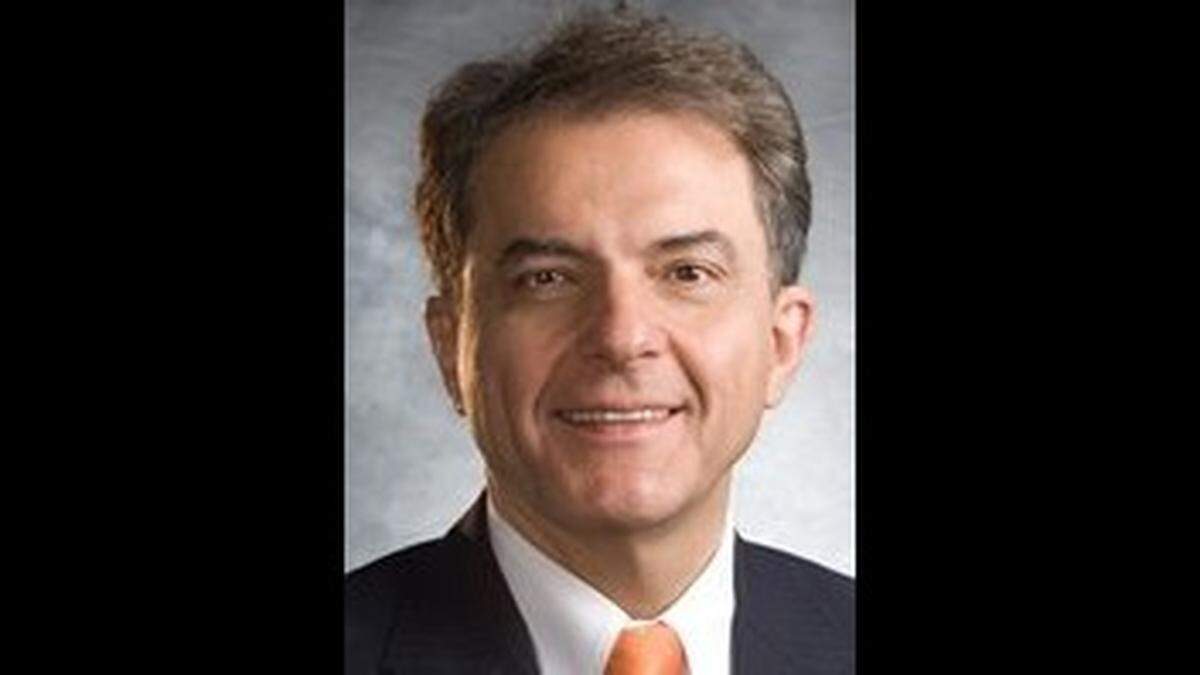
Pistachio magnate. Landowner. Developer. Former clothing store owner. Hospital board director. And owner of California Health Sciences University.
Farid Assemi, 73, has taken on many disparate titles since he immigrated with his family from Iran to Fresno in the mid-1970s.
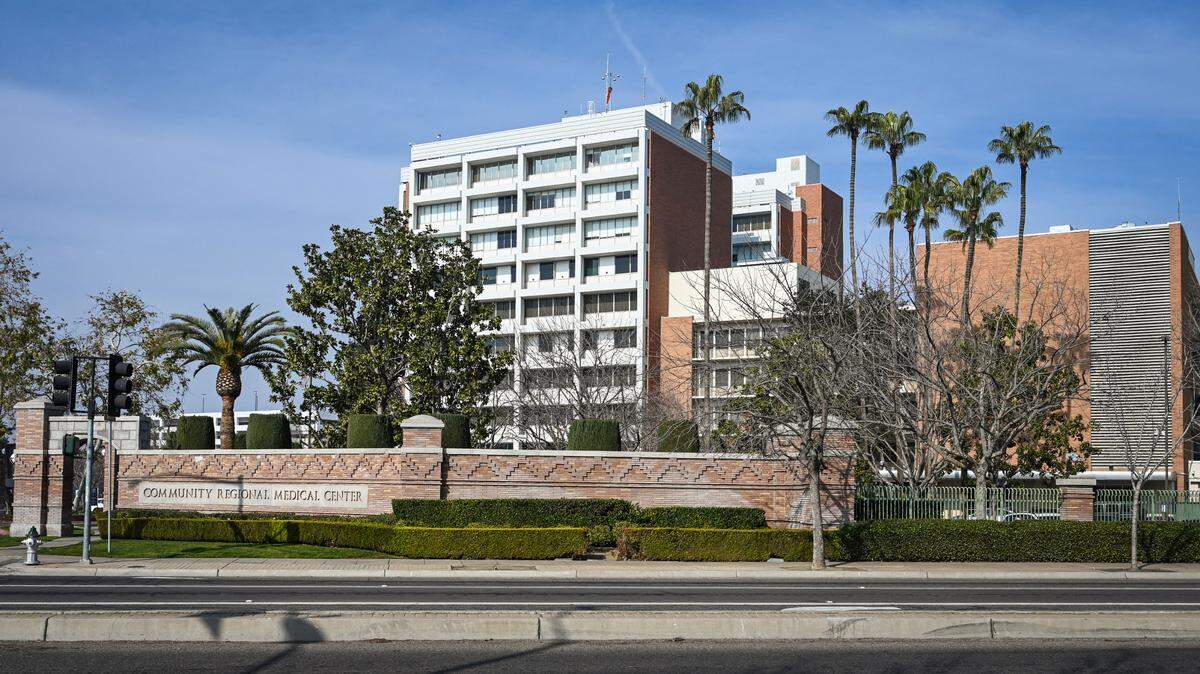
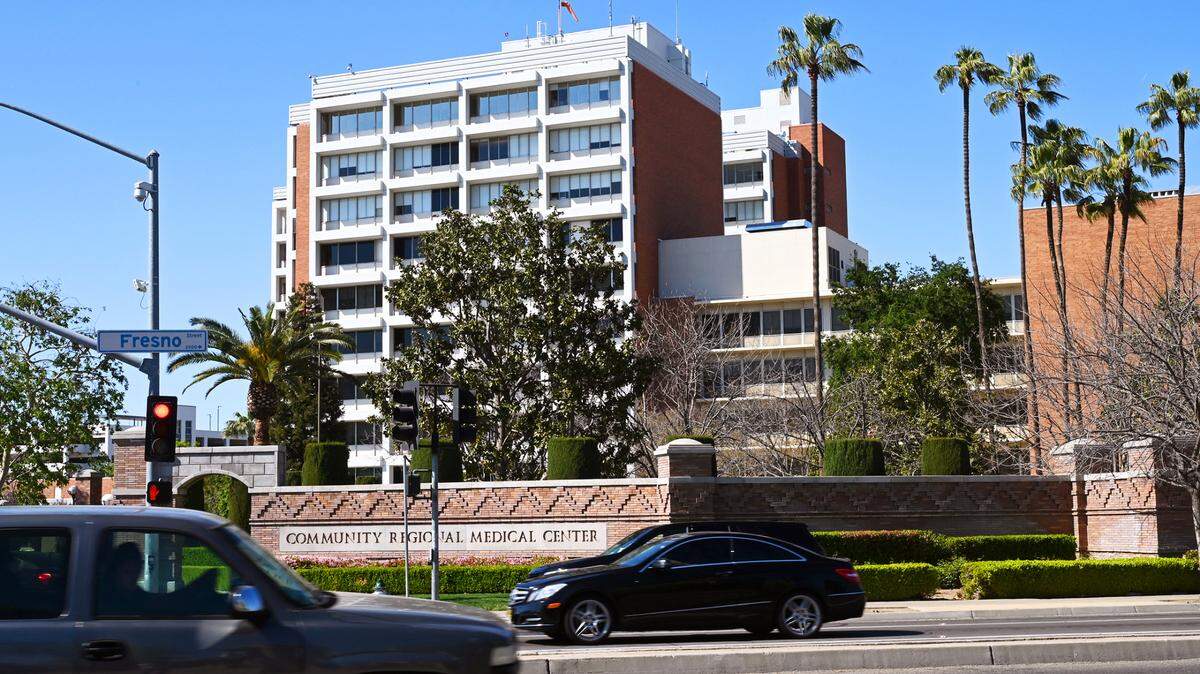
Assemi also is a central figure in decisions made by the Community Medical Centers board that have spurred significant development at CMC’s Clovis hospital, while largely neglecting its downtown Fresno hospital — moves that had the added benefit of helping his nearby for-profit medical school.
Legal and ethics experts have raised concerns about the relationship between the hospital corporation Assemi helps oversee and the school in which he has an ownership interest.
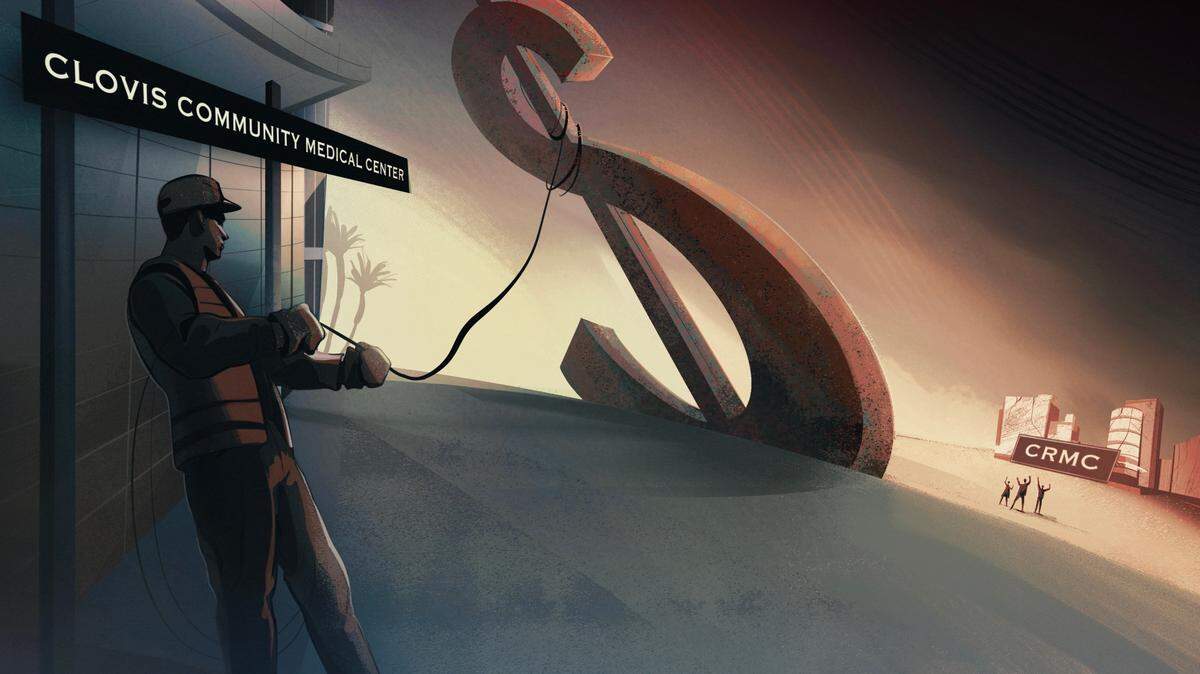
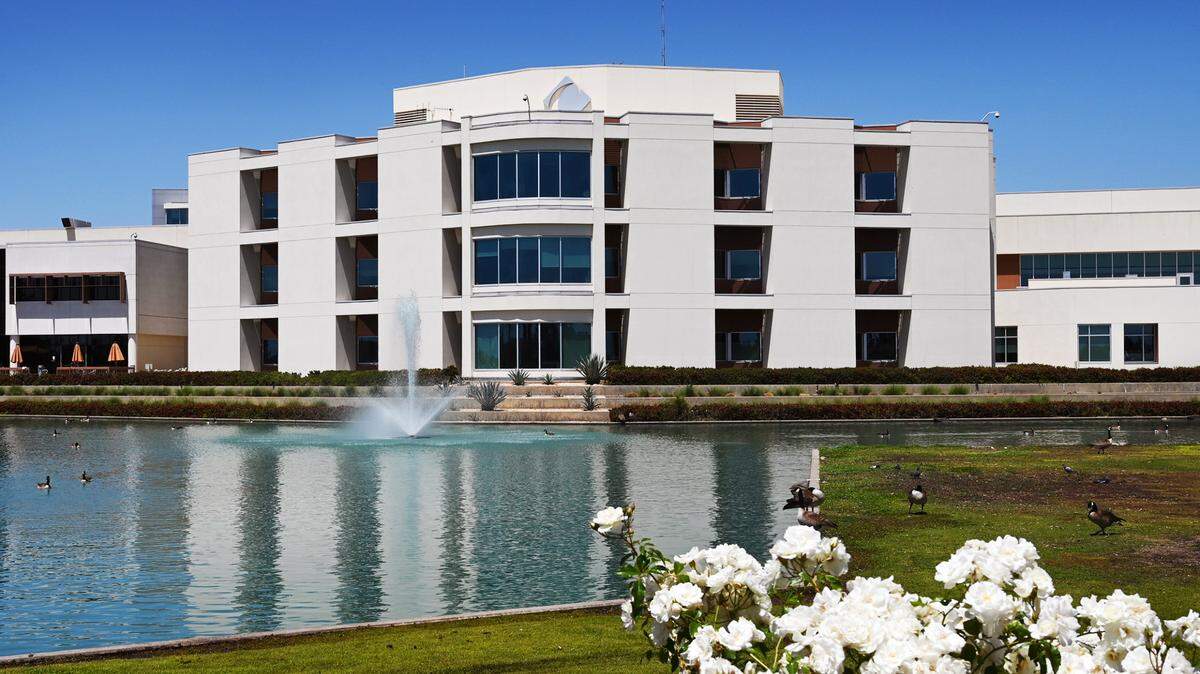
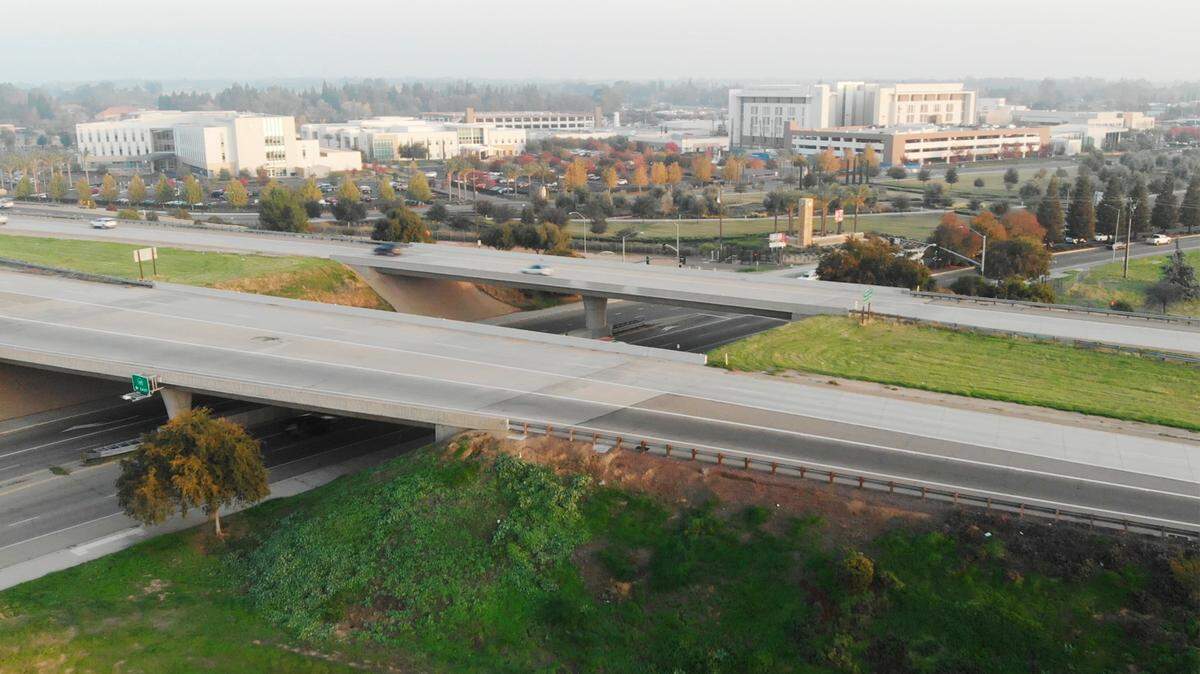
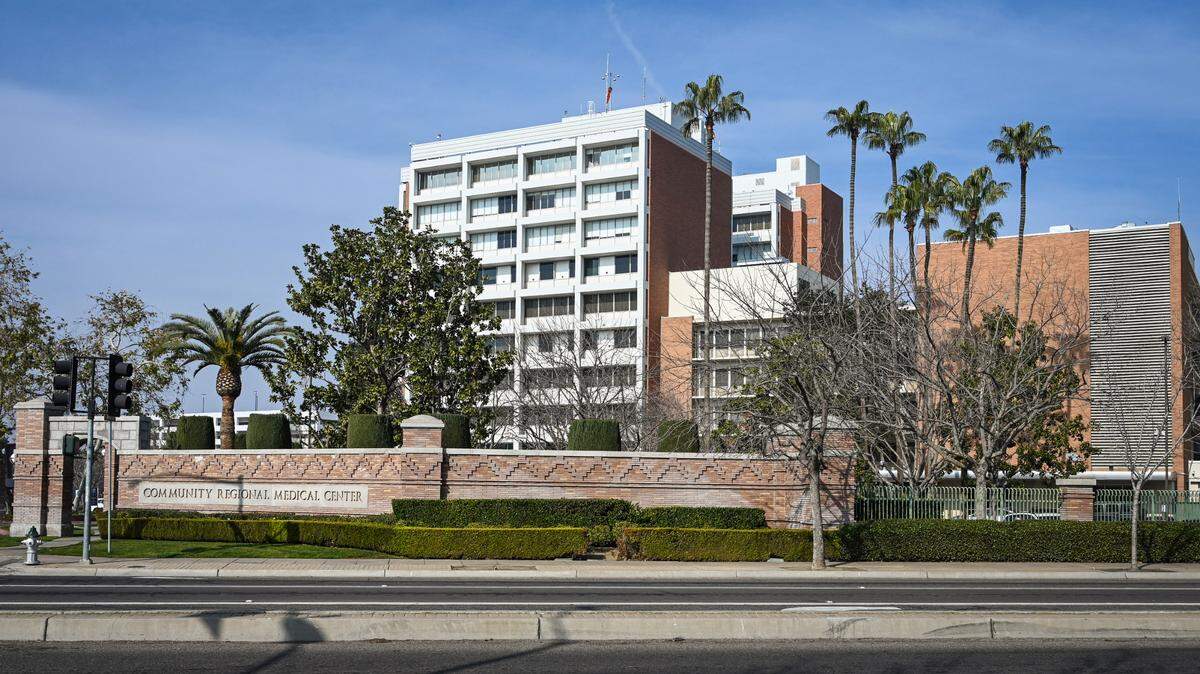
In the past decade, with Assemi as a board member and then board chair, CMC used state and federal funds generated by its downtown Fresno hospital — Community Regional Medical Center — to fund the explosive expansion of Clovis Community Medical Center. Assemi’s school, which is planning a massive expansion, too, is less than a mile away from the Clovis hospital.
Assemi has defended the board’s decisions, saying they do not hurt patient care in Fresno and enhance overall health services in the region. He further notes that his for-profit medical school has not yet made money.
Assemi, though, is much more than a character in this hospital drama. He is among the area’s most influential power brokers.
From Iran to Fresno
Over the past half century, Farid Assemi and his two brothers — Darius and Farshid — have left an imprint on Fresno and the Valley like few other families. They wear an array of hats: developers of land and builders of sprawling housing tracts, growers of fruits and nuts, philanthropists whose Granville Homes and Maricopa Orchards underwrite a host of community nonprofits, and as publishers with their GV Wire news source.
The Assemi family made its first fortune in Tehran, Iran’s capital, in the agriculture industry. They drilled wells, sold tractors and other farm equipment and used the profits to buy farmland and real estate.
Farid, the oldest of three sons, went off to England in the late 1960s to earn a degree in mechanical engineering. He arrived in Fresno in 1974 to work at an agricultural pump business whose owner knew his father.
BEHIND THE STORY
MOREHow we reported this story
Over the course of roughly two years, The Fresno Bee met with dozens of sources and conducted interviews with current and former Community Medical Centers board members, local healthcare officials, current and former CMC administrators, state and federal agencies, local and state elected officials, and experts on such topics as healthcare, nonprofit organizations and ethical considerations such as conflicts of interest. We made dozens of public records requests and requested data from the state and federal governments. We reviewed property transaction records at the Fresno County Assessor’s and Clerk-Records’s offices. We also reviewed CMC news releases.
He said that he and his brothers “lived in poverty in the late ’70s and early ’80s.” He says he lived in a home behind the railroad tracks with his wife at that time.
“My parents were wealthy, but we were left on our own, and I would not trade that with anything,” he said. “Now, they ... help me buy that house behind the railroad tracks, and that gave us some money.”
Soon after starting in the pump business in Fresno, Assemi quickly realized it wasn’t for him.
He and his brothers opened a European men’s clothing store at the corner of Shaw Avenue and Fresno Street. Apropos of the late 1970s, they sold wide jackets, colorful socks and shoes. But the clothes, he said, didn’t make them a dime. Instead, from the back room, they began a home construction business, building first in Madera Ranchos and then in Fresno. Like their father in Iran, they then made a leap into farmland.
Today, Granville Homes — the home development business the brothers started — builds an average of 200 houses per year with an annual revenue of about $50 million. Assemi is more coy about his thousands of acres of pistachios, almonds and other crops. When asked how much farmland he owns, he replied: “That is a secret. Great secret. Honestly, to be truthful to you, I don’t know. But it’s large.”
Records show that the Assemis are farming more than 40,000 acres in Fresno County alone, and they hold other cropland across the Valley under various entities.
Political interest
The Assemis have not been shy about inserting themselves into the politics of Fresno. Over the past few decades, they have consistently shown up on lists of top local donors to candidates at every level of government. In 2014, for example, Darius Assemi donated more than $520,000 to candidates in local and state races. That included about $130,000 that he gave to a single candidate running for Fresno County Court judge, who lost her bid in the election. When local city and county agencies decide matters of future growth and planning, they have given the Assemis a crucial seat at the table.
“We promote good government, people who are pro-business,” Farid Assemi told The Bee in 2004. “I’m generous with the presidential elections and the senatorial elections and the bond measures, too, and I have nothing in front of them.”
From the late 1990s to the early 2000s, their influence drew the attention of the FBI during its investigation of municipal corruption in Fresno and Clovis. Indeed, the very name of that investigation — Operation Rezone — came from the license plate of lobbyist Jeff Roberts, who has worked for the Assemis for at least three decades and went to federal prison after pleading guilty to one count of aiding and abetting extortion and one count of tax evasion.
In 1996, Farid Assemi testified in federal court that he had laundered through Roberts a $10,000 campaign contribution to a Clovis city council member. “Ten thousand was a large amount,” Assemi testified. Assemi was not charged. As soon as Roberts got out of prison, he went right back to work for the Assemis and today is the vice president of Granville Homes.
More development
In the years since Operation Rezone, the brothers have continued to push the boundaries of Fresno by planting subdivisions on vacant land to the west, north and northeast. At the same time, they have purchased such prime real estate as the Fig Garden Financial Center, for $55 million, and have helped lead a downtown revitalization by building multifamily residential units and commercial office space.
In his interview with The Bee, Assemi spoke of the advantages of having businesses in different industries. In any given year, for example, the profits from homebuilding might be able to offset the losses from farmland idled by water shortages. As for his decision to start a medical and pharmacy school, it took place during the wake of the Great Recession when the housing market had imploded and health care was seen as a new growth engine.
But Assemi says among the reasons why he wanted to launch a medical school was the shortage of medical professionals in the central San Joaquin Valley, and to “say thank you” to Fresno for “opening” its arms to him and his family, especially after the revolution in Iran.
This story was originally published August 25, 2022 at 5:00 AM.
.jpg)