Hospital purchased land from a board member. Why ethics experts say it was problematic
READ MORE
Care & Conflict: CMC’s money moves
Click the arrow below for more coverage of Community Medical Centers’ expansion of its affluent Clovis campus.
Expand All
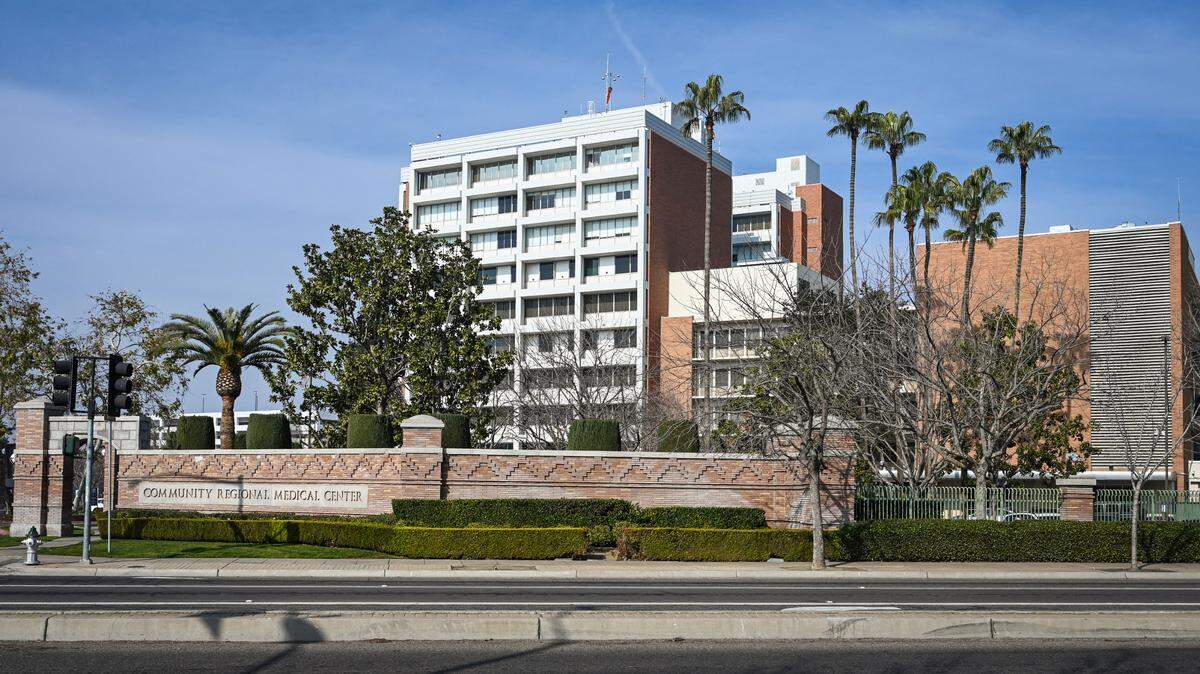
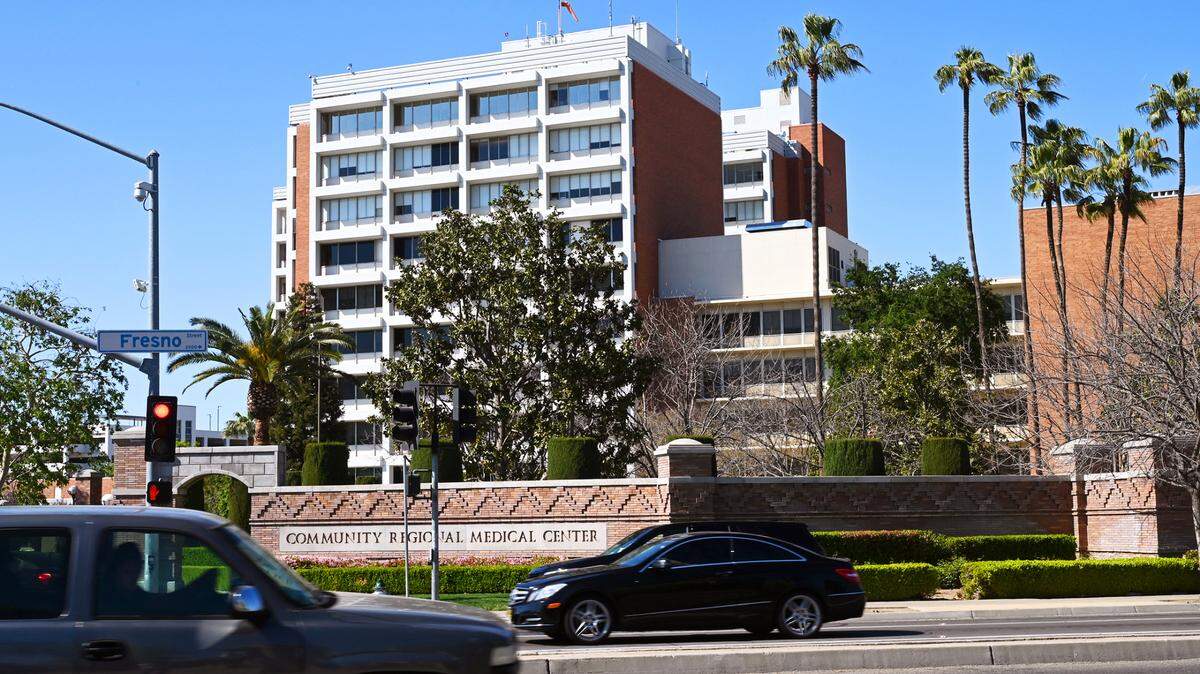
Amid the explosive expansion of its Clovis hospital campus, Community Medical Centers bought vacant parcels of land, just south of the campus, for more than $3 million.
It was a relatively nondescript land purchase except for one factor: The property was owned by Jerry Cook, one of its board members.
The Bee discovered the property sale as part of its larger investigation into financial decisions made by the hospital board. That reporting revealed the board spent money generated by indigent Medi-Cal patients at its deteriorating downtown Fresno hospital to expand its hospital in more-affluent Clovis. Furthermore, the Clovis hospital is near a for-profit medical school owned by the current hospital board chair, Farid Assemi, and former board member Flo Dunn.
The land purchase involving Cook, which CMC says was legal and appropriate, caused some ethics experts to express concern over potential conflicts of interest that financially benefit board members.
“Most nonprofit boards don’t want to get anywhere near potential conflicts of interest because it can undermine the reputation of the organization,” said Paul Jansen, an adjunct professor at the UC Berkeley Haas School of Business, adding that “nonprofit reputations are fragile things.”
Experts on nonprofit law told The Bee it’s permissible for those kinds of transactions to happen so long as the price Community Medical Centers paid for the land was a fair market value, and the conflicted board members didn’t participate in any discussions about the sales and recused themselves from voting on the items.
The Fresno Bee asked CMC to provide copies of board meeting minutes and market evaluations so The Bee could independently review what was reflected in those records. CMC denied the request, saying it doesn’t want to set a precedent “of sharing Board minutes or materials” with the public.
CMC spokeswoman Michelle Von Tersch said the purchase of the land from Cook followed an independent appraisal. The hospital board, she said, hired an outside law firm to ensure the transaction was in compliance with state and federal laws.
Von Tersch declined to release to The Bee the name of the independent law firm the hospital contracted with for this business arrangement.
“We worked with reputable outside experts that were vetted based on their expertise in the subject matter and/or healthcare industry,” she said in written responses. “We do not typically share vendor names.”
When a nonprofit corporation enters into business deals with its own board members, it can raise issues for regulators. Experts told The Bee this is particularly relevant if the corporation pays an excessive amount that’s above the market value, and the conflicted board members participate in the discussions and votes. If this was the case, those actions could be considered self-dealing, though there has not been any such determination related to the $3 million property purchase.
BEHIND THE STORY
MOREHow we reported this story
Over the course of roughly two years, The Fresno Bee met with dozens of sources and conducted interviews with current and former Community Medical Centers board members, local healthcare officials, current and former CMC administrators, state and federal agencies, local and state elected officials, and experts on such topics as healthcare, nonprofit organizations and ethical considerations such as conflicts of interest. We made dozens of public records requests and requested data from the state and federal governments. We reviewed property transaction records at the Fresno County Assessor’s and Clerk-Records’s offices. We also reviewed CMC news releases.
Regardless, business transactions with insiders often garner the attention of regulators, an expert told The Bee.
“Any charity that’s engaging in transactions with its insiders should take care to ensure that any of those transactions are good deals for the charity, and that they can prove that,” Eric K. Gorovitz, a nonprofit law attorney with Alder & Colvin, a San Francisco-based law firm, told The Bee. “Because regulators are skeptical about transactions in which insiders have an interest, and will look closely.”
A look at the transaction
Cook, a major developer in Fresno with substantial influence throughout the community, joined the hospital board in 2012. Assemi, also a major developer, was already on the board at that time.
In May 2013, Cook sold the land to the hospital that’s adjacent to Clovis Community Medical Center, according to a copy of the deed that doesn’t disclose the price for the transaction.
In response to a Public Records Act request by The Bee, the Fresno County Assessor’s Office said the price for the land transaction between Cook and CMC is part of a “change of ownership report,” which must be kept “secret by the assessor.”
However, Von Tersch, the spokeswoman for CMC, told The Bee the land was purchased by the hospital from Cook for just over $3 million. The Bee was able to independently verify the amount based on taxes paid during the transaction. The amount paid by the hospital was $3,033,500.
Parcel numbers change over time, but with the assistance of staffers at the Fresno County Recorder’s and Assessor’s Office, The Bee was able to locate what appears to be a match on the parcels Cook previously purchased and the property he later sold to the hospital. The Bee was able to obtain the amount of taxes paid when the hospital purchased the land from Cook, which wasn’t disclosed in the deed. Nor was the sales price.
Records from the Fresno County Recorder’s Office show Cook purchased a portion of the land he sold to the hospital in 1997. He paid $217.25 in taxes, meaning he purchased the land for between $197,001 and $197,500.
The other portion of the land Cook sold to the hospital corporation was acquired by his father, Einar Cook, in 1986, records show. Einar Cook paid $156.75 in taxes, meaning he purchased the land for between $142,001 and $142,500.
Many years later, Jerry Cook and other family members inherited the land, but in 2006, Jerry Cook bought the land from them for about $558,000 based on the amount of taxes he paid. He later transferred the land to a family trust for him and his wife, which sold it to CMC in 2013.
Essentially Jerry Cook paid a total of just under $800,000 for the property and sold it seven years later to the hospital for more than $3 million.
Sources told The Bee that Cook pressured CMC to buy the land, despite the hospital having no need for it at the time. Cook has refused multiple interview requests by The Bee to discuss the transaction. In early May, The Bee sent him a letter again asking for his response. Cook has not responded.
CMC Chief Executive Officer Craig Castro, who was the CEO for the Clovis Community Medical Center at the time, said during an interview that he recalled Cook saying, “I’ve got this property, if you guys want it, you are going to have to pay.”
Castro said Cook recused himself from voting on the sale when it came before the board. Castro said the sale could be construed as a “conflict,” but the board did a thorough job ensuring that the price was fair to both sides.
“He sold it without any expectation of benefit,” Castro said, “other than a fair commercial transaction.”
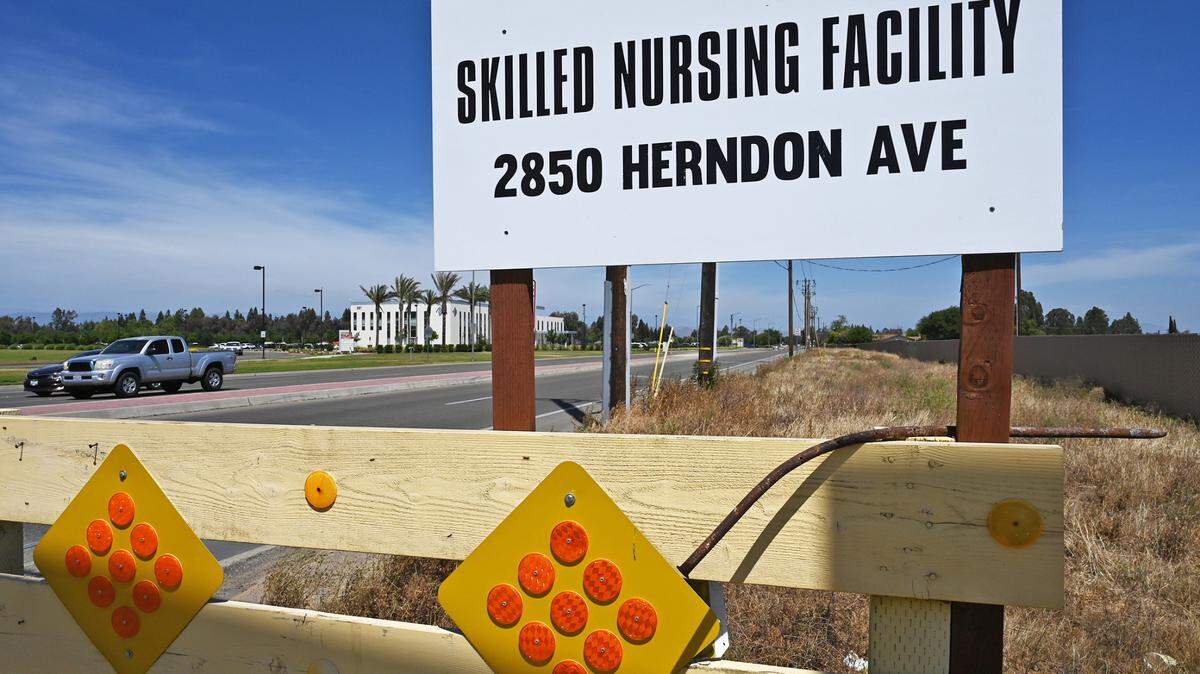
The property purchased from Cook is where CMC will now build a $65 million skilled nursing facility just south of the Clovis campus, but construction was paused during the coronavirus pandemic, Castro said.
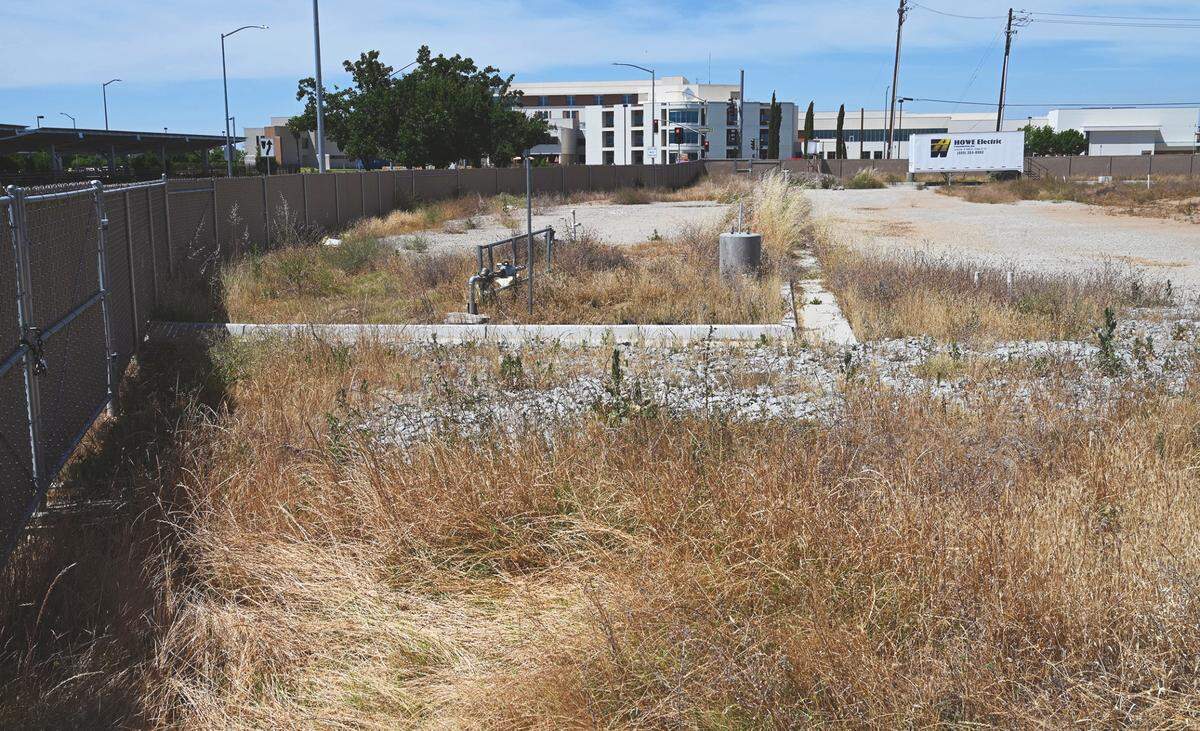
Cook owns more land near the Clovis hospital, and Castro confirmed to The Bee that he tried to sell more nearby property to the hospital in late 2020, but Castro said the hospital wasn’t interested. “We haven’t pursued that,” Castro said. But he added that the hospital could purchase the property from Cook in the future.
A company named Botfee LLC, established in 2011, also owns land in the vicinity of the property Cook sold to the hospital. Records with the California Secretary of State’s Office show Jerry Cook is the individual agent for the company and serves as its chief executive officer.
In recent years, CMC also bought a $10 million undeveloped property from the McCaffrey family in Madera. Karen McCaffrey is also a CMC board member, but that sale took place two years before she was appointed to the board. CMC officials said her later appointment had nothing to do with the sale.
Transaction not disclosed
According to the tax records filed by the hospital for the 2013 fiscal year — Sept. 1, 2012, to Aug. 31, 2013 — CMC didn’t disclose the May 2013 land transaction with Cook in the section where the hospital is asked to list business transactions with interested persons, meaning board members, management officials, related businesses and family members.
The hospital, however, did disclose a $32.8 million business transaction with the Central California Faculty Medical Group. Jack Chubb, who was the CEO of the downtown Fresno hospital at the time, was an officer in the medical group. In 2014, CMC disclosed another business transaction with the Central California Faculty Medical Group for $39.9 million. Chubb was still an officer for the medical group.
The Bee asked CMC why Cook’s land sale was not disclosed in its 990 — an annual required IRS form that informs the public about a nonprofit’s finances — where the hospital is asked to disclose business transactions with insiders.
The response, from Von Tersch: “Community periodically makes strategic real estate investments to serve growth or operational needs. This process includes careful due diligence and compliance with all appropriate regulations, including the guidance of outside accounting experts to prepare and review our annual IRS 990 submission.”
Jansen, with UC Berkeley, said most boards “err on the side” of caution with a “conservative posture.” Boards don’t want “any actual or even perceived conflicts of interests” that would call into question their objectivity.
“There’s an expectation that all of those types of transactions have to be fully documented,” Jansen told The Bee.
Thomas Senter, an attorney with Greenbaum, Rowe, Smith & Davis LLP, serves on a hospital board on the East Coast. He, too, favors greater transparency.
“I think best practice,” Senter said, “would be to disclose any transaction with the disqualified person.”
Fresno Bee reporter Tim Sheehan contributed to this report.
This story was originally published August 25, 2022 at 5:00 AM.
.jpg)