Nearby for-profit medical school provided incentive to expand Clovis hospital campus
READ MORE
Care & Conflict: CMC’s money moves
Click the arrow below for more coverage of Community Medical Centers’ expansion of its affluent Clovis campus.
Expand All
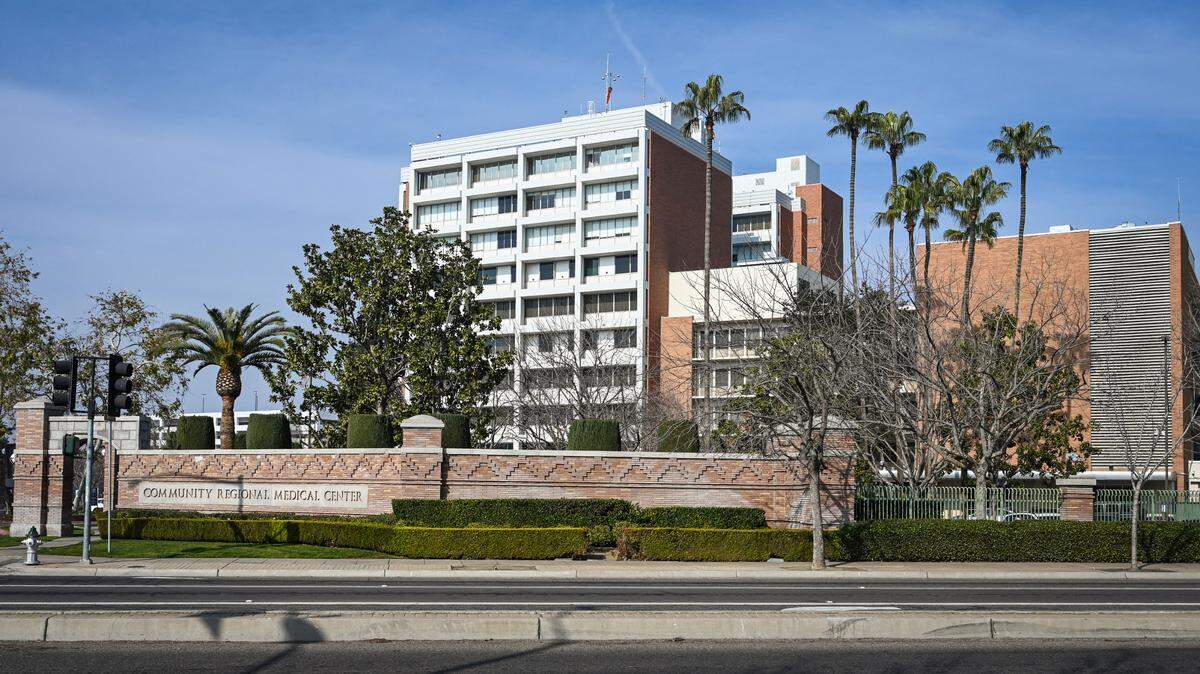
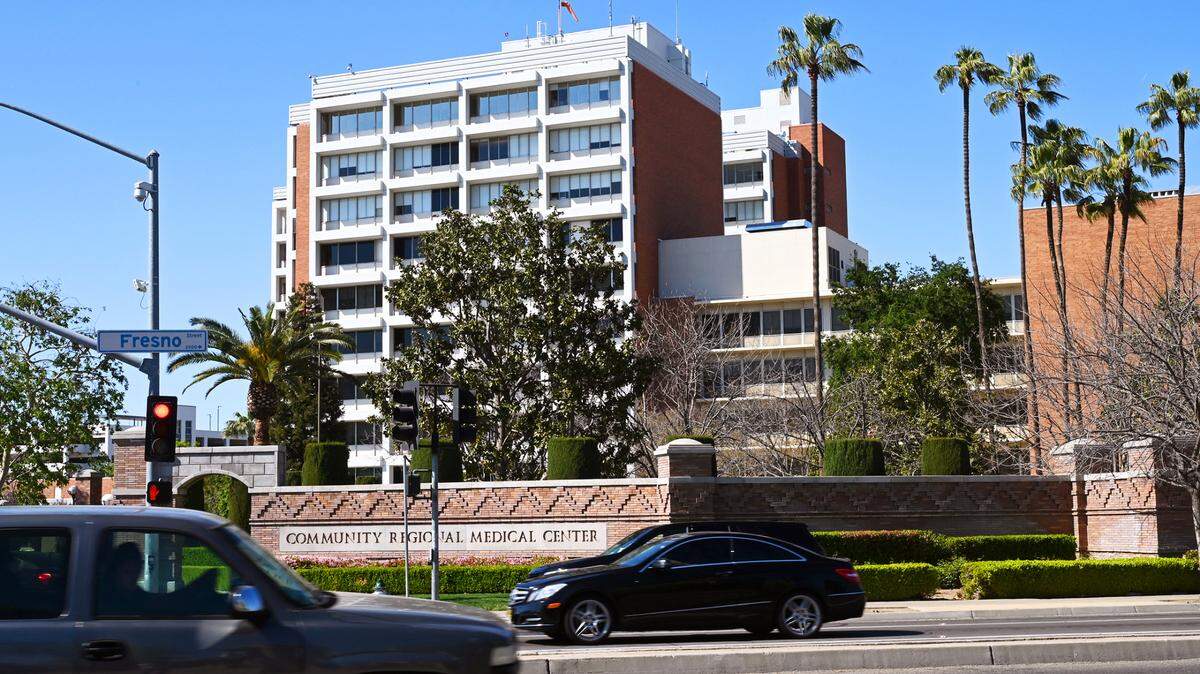
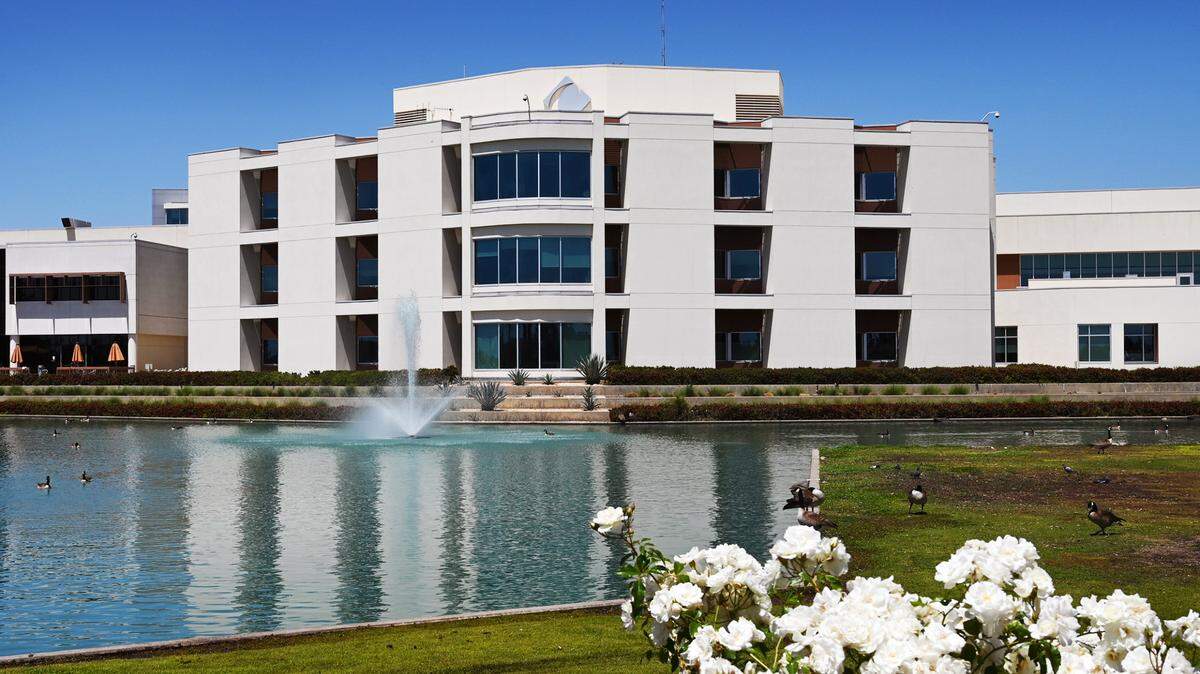
Community Medical Centers had a compelling financial incentive to take money that could have been used to fix its aging downtown Fresno hospital and instead spend it on a major expansion of its Clovis campus: the desire to attract more lucrative privately insured patients, often seeking costly elective procedures.
But for some of the hospital’s most influential board members there was an additional — and more personal — financial incentive.
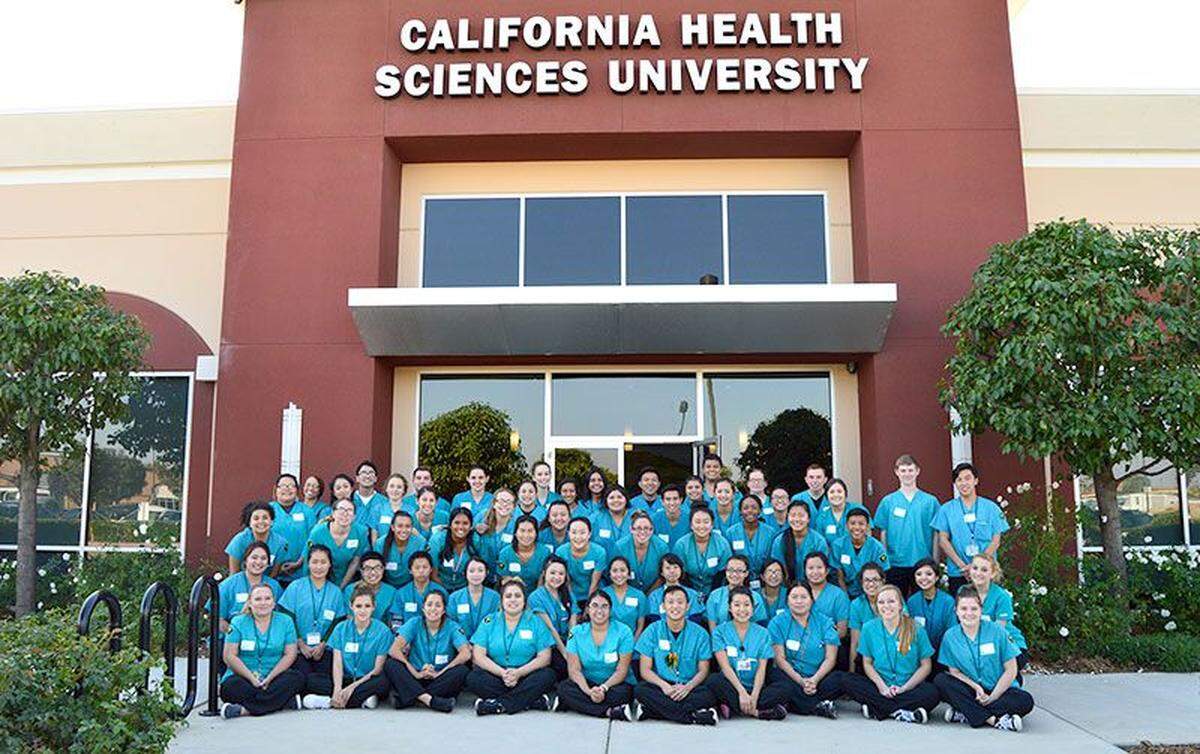
Less than a mile away from the Clovis hospital, the chair of CMC’s board, Farid Assemi, and another longtime board member, Flo Dunn, launched a multimillion-dollar project: California Health Sciences University, a for-profit school.
Insiders, including a former board member, have told The Bee that the ongoing expansion of the Clovis campus, which many see as having taken away money that could better serve indigent patients in downtown Fresno, is being done, in great part, to aid the success of the fledgling for-profit school.
The owners of the school not only used their positions on the hospital board to support the private school, but they also have made money from or expect to profit from the school in the future. Several CMC board members are also on the university’s board, and one of them was employed by the private school. Most significantly, another longtime board member, Dunn, is president of the school where she’s a part owner.
From its inception, the for-profit school has benefited from a cozy — and some believe inappropriate — relationship with the nonprofit hospital.
Consider:
- Companies owned or operated by Dunn and her son have landed two contracts from CMC, worth more than $1 million.
- The hospital has provided pharmacy rotations to the pharmacy school.
- CMC has agreed to provide slots for its third-year clinical student rotations at the Clovis hospital, which the school needs for accreditation.
- In 2019 and 2020, the hospital corporation spent $70,000 sponsoring gala events at the school. Online records show that CMC also has been the main sponsor of the school’s annual scholarship event going back to at least 2016.
- Three California Health Sciences University board members also sit on the hospital board.
- Dunn, the former longtime hospital board member, is president and a part owner of the school, and continues to sit in on hospital board meetings.
- Assemi has the unique role of school owner and board chair. In his role as board chair, he has advocated for the hospital to invest $50 million in his school.
The hospital and school also have connections within the local city council. Clovis Councilmember Vong Mouanoutoua is employed by CMC and has received campaign contributions from the owners of the for-profit school. Councilmember Lynne Ashbeck, who is a former hospital corporation employee, also has received campaign contributions from private school owners and the school itself, records show.
As for that $50 million investment? The nonprofit corporation looked into the request, but then-CEO Tim Joslin ultimately recommended against it because of pushback from doctors who serve on the hospital board. Joslin has since resigned.
Several experts expressed concerns about the business relationship between the nonprofit hospital and the for-profit school.
“They have a financial interest in an organization that they have decided to do business with and support, and that means that they have a very clear conflict of interest,” said Joan Harrington, director of social sector ethics at the Markkula Center for Applied Ethics at the Santa Clara University School of Law.
Kathryn Peisert, managing editor at The Governance Institute, which supports health care boards to lead stronger organizations, said the whole situation is “tainted.”
“The level of conflict is to such a degree that some of these directors would have grounds for removal from the board due to the amount of money involved in the business relationship between Community Medical Centers and the for-profit school,” she told The Bee in an interview.
Conflicts of interest denied
When asked about the relationship, Assemi, the CMC board chairman and founder and owner of California Health Sciences University, issued this statement to The Bee:
“As with all nonprofit boards, Community’s board recognizes its obligation to assure compliant business practices. This includes adhering to a policy on conflict of interest, which is based on federal and state laws. I have personally adhered to that policy throughout my tenure on the board. I am confident that my fellow board members and Community’s management know that first and foremost my actions have sought to advance our mission to serve the people of our Valley to the best of our ability.”
Assemi has defended the board’s decisions, saying they do not hurt patient care in Fresno and enhance overall health services in the region. He also has taken issue with any suggestion that his decisions are motivated by his ownership of the nearby for-profit school.
“It’s for loss,” he said, referring to the “for profit” status. “We have lost tens of millions of dollars.”
Dunn also denied any conflict of interest. CMC officials stressed that they have followed all laws.
BEHIND THE STORY
MOREHow we reported this story
Over the course of roughly two years, The Fresno Bee met with dozens of sources and conducted interviews with current and former Community Medical Centers board members, local healthcare officials, current and former CMC administrators, state and federal agencies, local and state elected officials, and experts on such topics as healthcare, nonprofit organizations and ethical considerations such as conflicts of interest. We made dozens of public records requests and requested data from the state and federal governments. We reviewed property transaction records at the Fresno County Assessor’s and Clerk-Records’s offices. We also reviewed CMC news releases.
Harrington, with the Markkula Center for Applied Ethics at the Santa Clara University School of Law, said she believes, legally, the hospital corporation board is “properly constituted,” but nonprofits usually try “not to have everybody be best friends, and everybody trying to do business with the nonprofit.”
Assemi and Dunn are at the center of this conflict. Assemi, who became the hospital’s board chairman in January 2020, joined the hospital board in 2009 at the urging of Dunn. Dunn had been his friend and banker at California Bank & Trust for many years and already sat on the board. While her last term on the board ended in 2016, Dunn continues to attend hospital board meetings as a “guest.”
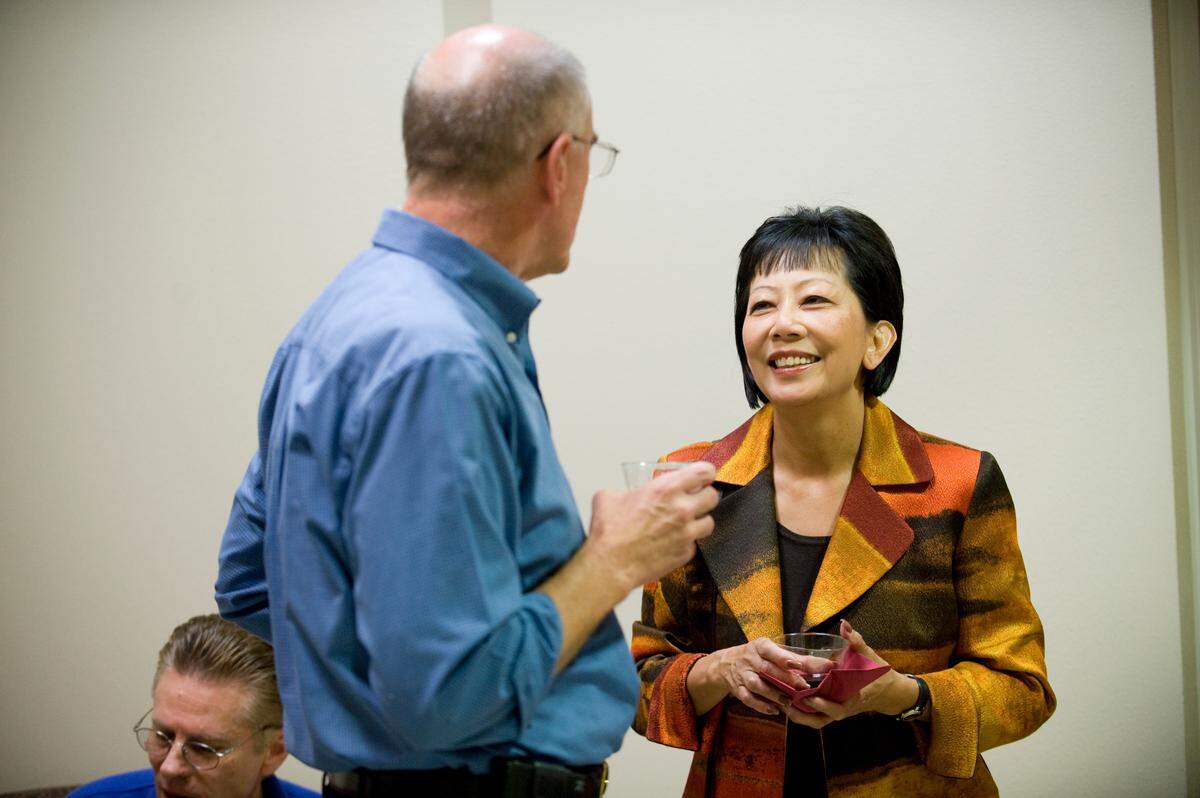
Dunn, who has a degree in business administration, has served as the president for CHSU since its founding in 2012.
Members of the hospital board had expressed concerns about the way the board operated as early as 2009, the year Assemi, an influential developer, landowner and pistachio magnate, joined the board at Dunn’s request.
That year, CMC contracted with The Governance Institute to look into the board’s relations.
The institute surveyed the 15 board members. The survey notes, obtained by The Bee, reveal that several board members were concerned about a power grab by those who had “personal agendas or interests in certain projects.”
‘Intoxicated with power’
Some board members said that other board members were unwilling to hold each other accountable for their performance. “The person or group that benefits the most from an organization always wants to ‘hand pick’ their board members, (and) especially the chair,” according to the survey notes, which were taken during a board retreat. “So intense lobbying is done to make sure their ‘friend’ stays on. But more often than not, people are intoxicated with power and sometimes do not want to let go.”
Amid these concerns about board members having personal agendas or interests in certain projects, Assemi established the for-profit school. That same year, 2012, Dunn and her husband, Gary Dunn, established a company that would later become a co-owner of the school, records filed with the California Secretary of State’s Office show.
Assemi and Dunn eventually decided that their first school under the umbrella of CHSU would not be a college of medicine but a college of pharmacy, which would welcome its first students in 2014.
“I talked to Flo, and I said, ‘Flo, how about if we bring a medical school here?’” Assemi said. “She said, ‘Maybe a medical school is too tough; let’s start with a pharmacy school.’”
The idea for a pharmacy school was not new. It had been previously proposed by a local physician, Dr. Michael Lynch, and his wife, Nancy, who envisioned it as a nonprofit school located in a building they purchased in Fresno.
Dunn and Assemi, however, who were aware of the Lynches’ plan, instead moved forward with their own for-profit proposal. At first, Assemi suggested building the campus near his Granville Homes residential developments near Millerton Lake. But after considerable pushback, he settled on another location — near the Clovis campus of CMC.
The school ultimately would be owned by Assemi, other members of the Assemi family and a company owned by Dunn and her husband.
And Assemi and Dunn continued to have powerful roles with CMC, as well. Dunn’s board term expired in 2016, but a year later, Assemi invited her to sit as a guest, a position that would allow her a full voice on agenda items though not an official vote.
Dr. Ren Imai, who joined the hospital board in 2012, and resigned in December 2020, said he believes Assemi, Dunn and Susan Abundis — who sits on CHSU’s and CMC’s boards — manipulated the board so they could have “the power to do whatever they wanted.”
They planned to use the hospital to help their school, he said. He believes the second expansion of the Clovis hospital approved in 2018 coincided with their plans to add a College of Osteopathic Medicine to their for-profit school.
“I don’t think there’s any question,” he told The Bee. “The question is what came first? Their plans to have a medical school or their (2018) plans to expand Clovis. I think they go together.”
Imai said he believes “that was their plan all along.”
By this time, Imai and others told The Bee, Assemi had built a strong majority coalition on the 15-member board, including three voting members — Assemi, Abundis and John McGregor —who also serve on the CHSU board. In addition, Dunn continues to attend CMC board meetings as a guest.
“They sort of run the show,” he said.
A questionable contract
More significantly, while serving as a guest, Dunn was allowed to draft and negotiate direct contracts between the hospital and the pharmacy college or entities related to the school, including a nearly $1 million agreement.
To facilitate that contract, Dunn set up the Rx Wellness Center inside the pharmacy school. The center operates under the umbrella of a corporation run by one of her sons, state and county business records show. At the same time, Abundis, who sits as secretary on the hospital board, was serving as the chief operating officer for the Rx Wellness Center and also sitting on the board for both the hospital corporation and the school.
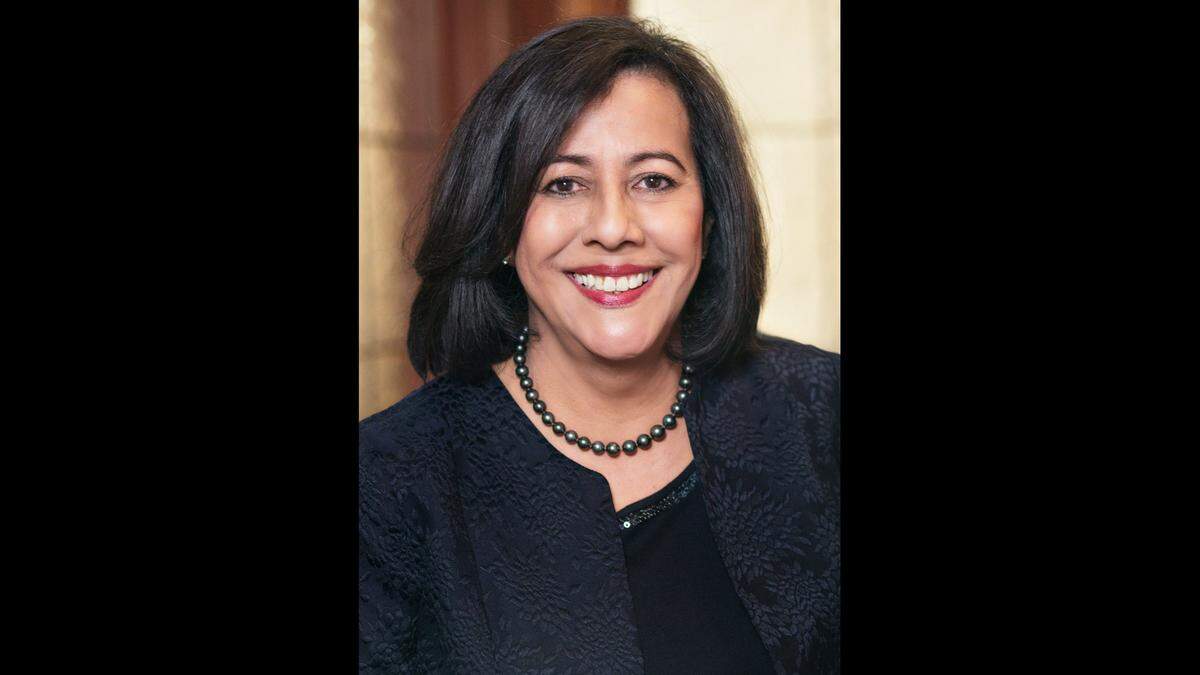
Michelle Von Tersch, CMC’s spokeswoman, said the hospital corporation and its affiliate Community Care Health — the hospital’s insurance plan that covers nearly 12,000 hospital employees and their family members — had agreements with the Rx Wellness Center for medical therapy management services for the year 2019. The goal was straightforward: The hospital would provide a place for students to learn how to deliver the health care of the future. And students would help improve health outcomes of patients.
The total amount for the contract was around $900,000, Von Tersch said. The Bee was able to see copies of monthly payments made to the Rx Wellness Center.
Sources with knowledge of the contract told The Bee that fewer than five patients ended up receiving the services of Rx Wellness. Von Tersch maintained it was 40 patients. Even with 40 patients, the cost per patient would have amounted to an extraordinary $22,500. Von Tersch conceded the program was underutilized.
Such a large contract for services that ultimately were not needed or were deemed to be well above the actual market value are not permitted under nonprofit rules. Those are considered excess-benefit transactions. And in this case, it was Dunn’s son’s company — Rx Wellness — that benefited.
Typically, the IRS requires money be reimbursed to the nonprofit — in this case, CMC — under such a circumstance.
Von Tersch seemed to initially indicate that’s what happened.
“Because very few physicians referred patients to this program,” she explained, “the majority of the funds Community invested were refunded.”
But by whom? Von Tersch said Assemi contributed money back to the hospital because “he was personally disappointed in the ultimate result of this well-intended program.”
“His anonymous gift of $500,000,” she continued, “was used to provide much-needed funding for our emergency departments’ safe-discharge program for homeless patients.”
But when The Bee later questioned if the “gift” was to correct an excess-benefit transaction, Von Tersch backtracked and said the donation was not related to the Rx Wellness contract. Nor was CMC reimbursed by Rx Wellness, which received its full payment under the contract.
“There were no repayments related to an agreement,” Von Tersch later said..
Craig Castro, CMC’s new chief executive officer, refused to provide The Bee with a copy of Assemi’s $500,000 check but said it was issued in November 2019. Assemi referred all questions related to Rx Wellness to Dunn and Abundis, saying they ran the program.
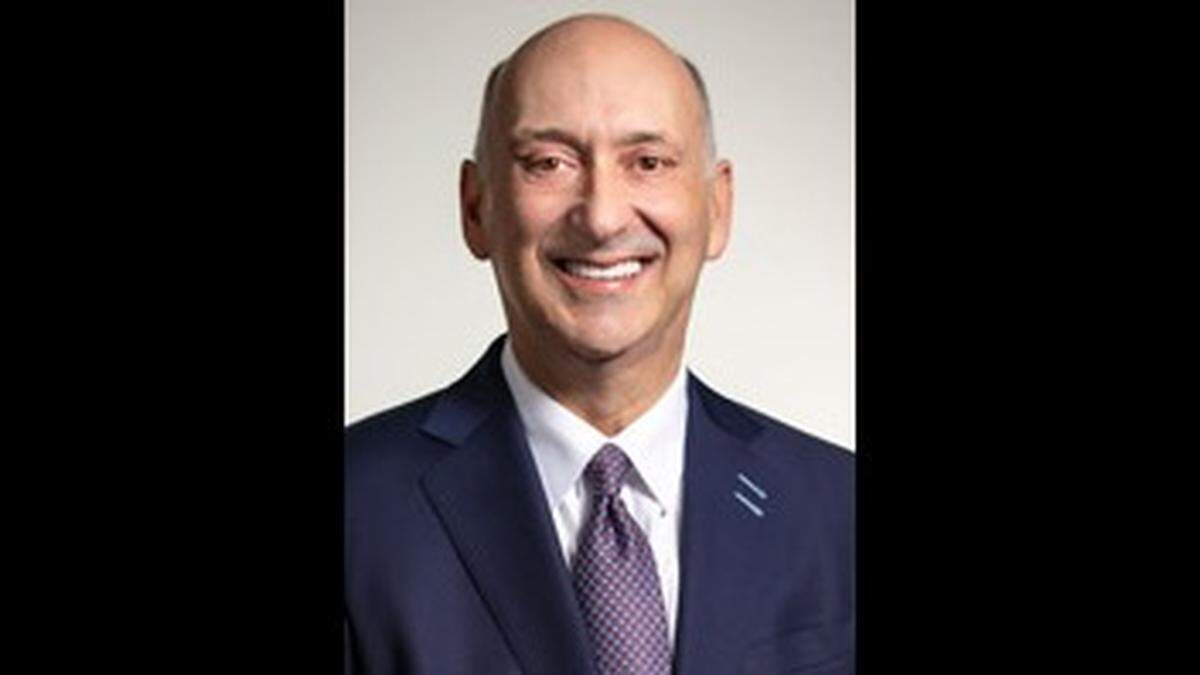
Dunn acknowledged that she helped draft the Rx Wellness contract with the hospital’s affiliate, but said she didn’t think she was using her position for personal gain. She said there was no conflict of interest.
“The contract was fully accepted,” she said, adding that she is not a voting member of the hospital board.
Abundis, who oversaw the program, initially said she stayed away from conversations with CMC about the Rx Wellness contract to avoid a conflict of interest. She said she also recused herself from the hospital board vote. She later acknowledged, however, that she spoke to Dunn about the program.
“I reported to Flo Dunn,” she said. “I asked Flo Dunn questions about the operations of Rx Wellness.”
More contracts with family members
This was not the only contract the hospital network awarded to a business owned by members of either the Assemi or Dunn families, state records show. CMC entered into a separate agreement with CHS Clinic Services — owned by members of both families — that ran from Sept. 15, 2016, to Sept. 30, 2017, according to Von Tersch.
The hospital contract with CHS Clinic Services at the school was for medical therapy management for ambulatory care center patients, Von Tersch said. Under that agreement, pharmacists at CHS Clinic Services were paid $70 per hour, and the total came to $27,000 for the agreement.
The CHS Clinic Services contract was “directly” with the hospital, Dunn said. “I heard somebody tell me there’s only conflict if money exchanges hands,” Dunn explained.
Neither of the two contracts were disclosed on federal tax filings by CMC with the IRS, according to a Bee review of the hospital’s 990 financial disclosure forms. The hospital corporation is required to disclose business arrangements in its tax records where the IRS asks entities to report “business transactions involving interested persons” — meaning with any current and former board members, management officials or their family members.
For the years that the hospital corporation was supposed to disclose these contracts, it did disclose a contract with an entity for which another board member at the time, Dr. Michael Synn, was an officer. That contract was with the Women’s Specialty and Fertility Center.
In addition, CMC disclosed that former Chief Executive Officer Tim Joslin’s son was employed by the hospital.
Von Tersch, with CMC, said the hospital is in full compliance with IRS rules and routinely has its 990 forms reviewed by outside accountants.
She also said that the agreements with Rx Wellness and CHS Clinic Services were “based on fair market value assessments, and are very common across the nation to help patients manage multiple chronic illnesses and prevent readmission.”
Still, the arrangements raised concerns among ethics experts.
“It’s hard to get an arm’s-length transaction,” said Harrington, with the Markkula Center for Applied Ethics at Santa Clara University, “when board members are seeking to do business with the nonprofit.”
From an ethical perspective, she said, this situation “certainly raises a concern about possible impropriety.”
That type of contract, she said, is really very unusual. “It’s very hard to fix a conflict of interest” in that scenario.
More family matters
Dunn’s interest in the private school goes beyond her personal ownership. Her other son, James Dunn, is the vice president for operations at the school, and he was “instrumental in launching the new university,” according to the university’s website. State records also show Dunn and her family members are business partners with the Assemi family in companies outside the school umbrella.
Dunn said there are no current ties between CMC and the private school. Von Tersch also maintained there are no current agreements between the two entities. But according to a letter from Anne VanGarsse, CHSU’s associate dean for clinical affairs, the school last year landed an agreement with CMC to have its third-year medical students start their clinical rotations at the Clovis hospital, beginning this month.
Clinical rotations are critical for the school’s college of osteopathic medicine to receive full accreditation. It is currently pre-accredited. If the college fails to obtain full accreditation within five years from attaining pre-accreditation, according to the American Osteopathic Association’s Commission on Osteopathic College Accreditation, the school could be closed and also could lose its $30 million reserve fund — money set aside to aid students in the event the school is not accredited.
CHSU’s college of pharmacy will close after 2024 because it was never able to obtain pre-accreditation since it first opened its doors in 2014.
The pharmacy school more than once failed on at least three standards. Those areas included curriculum design, delivery and oversight; faculty and staff qualifications; and pre-advanced pharmacy practice experience curriculum.
When asked about the new agreement for clinical rotations, Dunn corrected herself. “I thought your question was related to the CHS Clinic Services and Rx Wellness pilot programs, which are both over now.”
Also curious to some, the Clovis hospital is providing the rotations to Assemi’s and Dunn’s yet-to-be-fully accredited school, despite having an existing agreement with the University of California San Francisco Fresno. UCSF Fresno provides clinical rotations for the downtown Fresno hospital.
Peisert, with the Governance Institute, said the relationship between the hospital and the school raises a particular red flag. Why, she asked, would CMC enter into such agreements with a school that’s not fully accredited when the hospital already has its relationship with fully accredited UCSF Fresno, which has an international reputation and is among the best in the country?
“It doesn’t make any sense,” she said. “It screams that there’s alternative motives behind all of this.”
But hospital management, Assemi, Dunn and Abundis maintain there is no conflict of interest in these dealings or their roles, and every action was done according to the law.
CMC board member resigns in protest
Multiple sources told The Bee that the board, however, does take note of one thing it perceives as a conflict of interest: its board members who are doctors participating in certain board discussions.
Of the 15 board members, five are doctors. Their purpose on the board is to offer expertise on health care issues. Imai, who was among the five physicians on the hospital board, said doctors on the board were routinely excused from discussions related to financial compensation for doctors.
“If anyone is going to be excused from a board meeting, it should be someone who owns a medical school competing with a medical school that’s deeply embedded in the hospital structure — both by past history and in the future going forward,” said Dr. Randell Stern, with UCSF, according to the recording from a September 2020 meeting obtained by The Bee. Stern was presenting his opinion and not speaking on behalf of UCSF.
Imai resigned from the CMC board in protest in December 2020.
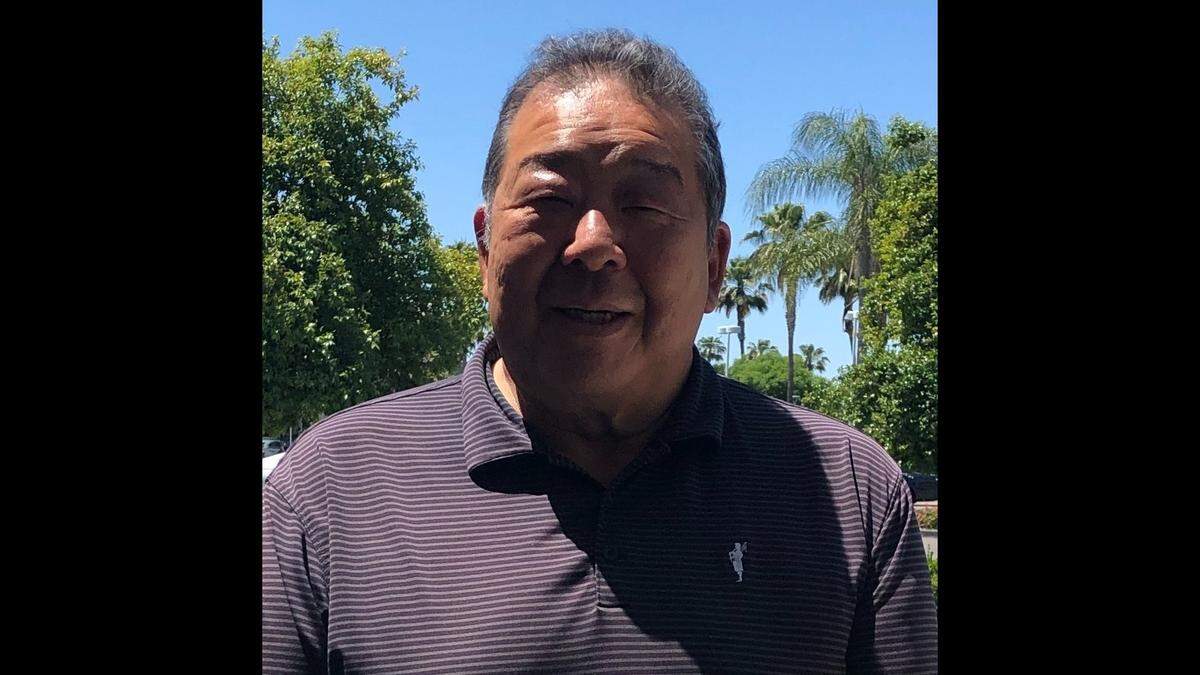
In his resignation letter obtained by The Bee, Imai said the private interests of Assemi, Dunn, Abundis and other members whom he believes are conflicted in other ways are simply not compatible with their stewardship of the hospital corporation.
“I believe there is a major conflict of interest between CMC and the for-profit California Health Sciences University owned by Mr. Assemi. Ms. Flo Dunn sits on the (CMC) board as a guest and as president of CHSU. She has no business as a guest of the board of CMC.”
An indifference to conflicts of interest has become common on the CMC board, according to physicians and other insiders. In recent years, Assemi began lobbying for CMC to invest $50 million in his for-profit osteopathic medical school.
Imai said he and the other doctors on the board immediately shut down the idea.
“I just thought it was a bad idea and a conflict of interest, even though he proposed it as a money-making, income-making situation for the hospital,” Imai told The Bee during an interview.
Assemi had taken the idea to Joslin, CMC’s former chief executive officer. Castro, CMC’s new CEO, recalled that Assemi went to Joslin and told him that CMC “ought to consider investing in this — the medical school.”
Castro said Joslin asked him to look into the possible investment to see “if it makes any sense” and instructed him to work with Joe Nowicki, CMC’s former chief financial officer.
“We did look into it,” Castro said, “but not for very long — probably, maybe 60 days.”
The idea was dropped, Castro said, when Assemi kept getting pushback from the doctors on the board. But Assemi has not given up on the notion. He continued to ask the hospital to “get an evaluation of what this school is worth,” and he still believes it would be cheaper for the hospital to invest in his medical school “at the ground floor” rather than when it’s a “fully established school” because the hospital would then “have to pay five times that much.”
“It’s an absolutely great idea for our hospital to invest in our school,” Assemi said in his interview with The Bee. “It is in the best interest of our hospital. ... Seven or eight years from now, maybe they can. For sure, it’ll cost them more.”
Assemi’s permissive outlook may stem, in part, from the fact that the hospital corporation has been a vocal supporter of the private school from the get-go. In 2017, Joslin wrote a letter to Dunn telling her that CMC was committed to working with the medical college on student clinical rotations and to increase the number of residency slots available in the area.
Dunn proudly displays that 2017 letter on the college’s website along with other letters of support. The school’s website also showcases numerous photos showing student clinical sites at CMC facilities. Dunn said the medical school works with “all the hospitals around us,” and expects to add more photos reflecting this fact. But even Assemi conceded that other local hospitals are loath to work with his medical college.
Saint Agnes Medical Center, for example, won’t provide his students any rotations. “They are not welcome over there because me and Flo (Dunn) are serving on Community Hospital’s (board),” he said.
Nancy Hollingsworth, president and chief executive officer for Saint Agnes Medical Center in Fresno, said she met with Dunn several times and supports their local medical effort, but that they already have existing agreements with other schools to provide rotations.
The Clovis council connection
The relationship between the hospital corporation and the private school isn’t the only one drawing some scrutiny. So, too, is the relationship between the school, the hospital and elected officials in Clovis.
Clovis council members who have been supportive of the for-profit school have received campaign contributions from the Assemi Group and Granville Homes.
Clovis Councilmember Mouanoutoua is the director of external relations and project development at CMC. He also has received campaign contributions from the Assemis.
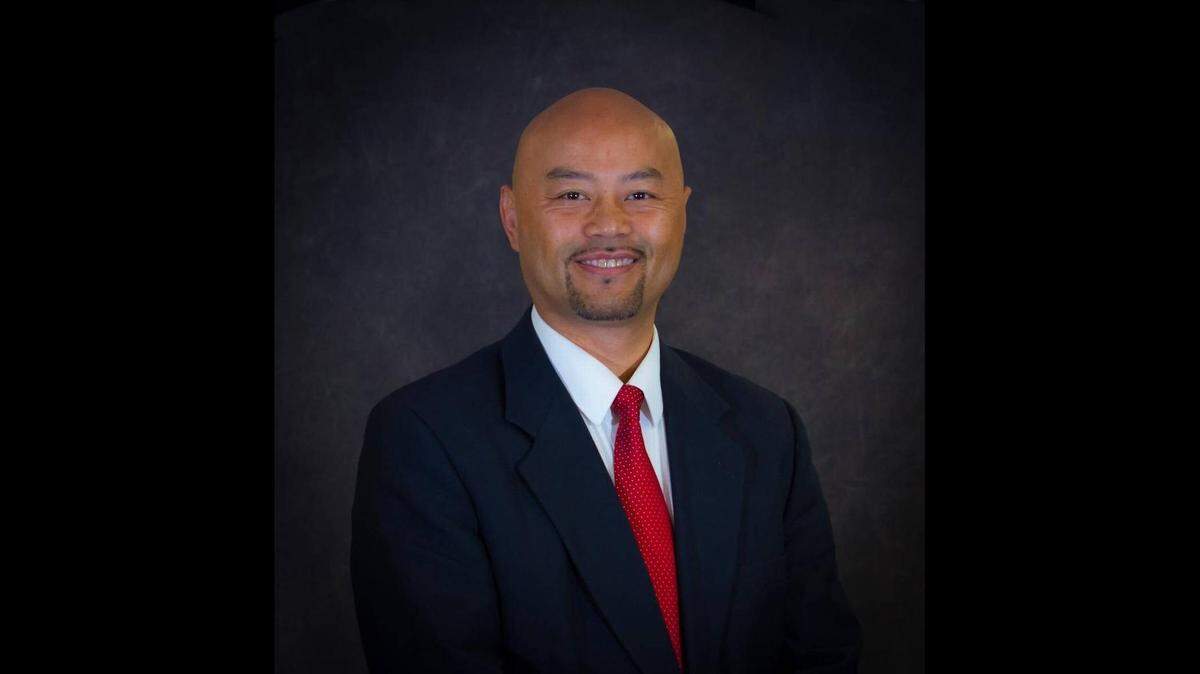
Mouanoutoua received a total of $10,000 from the Assemis for his 2021 campaign from July 2020 through early 2021. He received another $1,500 from CMC board member Jerry Cook’s company.
Both CMC (his employer) and CHSU (owned by his employer’s board director) do business before the council. Despite that relationship — and the campaign contributions — Mouanoutoua has not recused himself. He recently voted in favor of a massive expansion of the school.
So did Councilmember Ashbeck, who used to be employed by CMC and received campaign contributions for her 2021 campaign from CHSU, the Assemi Group Inc., Granville Homes and Jeff Roberts, who is the vice president for Granville Homes, and Christine Lingenfelter, chief real estate officer at the Assemi Group.
%20Croppe_fitted.jpeg "ashbeck (1) Croppe_fitted.jpeg")
In the 1990s, Roberts spent time in prison after admitting he helped a Clovis council member extort a $10,000 campaign contribution from a developer.
When Ashbeck was first asked about whether she thought it was appropriate to have received contributions from the Assemis and to have voted and supported a huge expansion of the school campus in February 2021, she said she was “super offended” that a Bee reporter would ask that question.
“I don’t even know why you would ask it. It’s a silly question, really,” she told The Bee. “It’s just ridiculous. It’s just insulting.”
Ashbeck said campaign contributions don’t qualify for recusal because “no one would vote for virtually any project in any city.”
“It’s a ludicrous connection. Now, I’m not saying there are no politicians that take money and change their vote, that’s fine,” she said. “But to suggest that that is what is happening in Clovis over this project is so ... just so disappointing.”
When she was asked why she supported the school, she responded by asking the reporter a question: “Have you read the economic impact study of the value of that university in our community?”
She then went on to explain the various “powerful reasons to have Clovis be the medical capital of the San Joaquin Valley.” Ashbeck said the school will attract well-paying jobs, construction projects and will train physicians who will stay in the region.
But the school’s success is not a sure thing. Already, the pharmacy school is set to close in 2024 because it failed to receive pre-accreditation. That, despite CMC providing 65 pharmacy rotations to CHSU students in 2020-21 — more than three times the number of students from any other college program.
Ashbeck called the pharmacy school’s failure to get pre-accreditation “disappointing ... for all of us,” and strongly defended the school.
From July 2020 through early 2021, Ashbeck received a total of $15,000 in contributions from the Assemis, their employees and CHSU for her reelection campaign in 2021.
She received another $1,500 from hospital board member Cook’s company.
Mouanoutoua and Ashbeck were among the Clovis council members to voice strong support for a huge expansion of the school in 2021.
In February 2021, Ashbeck made the motion to approve a memorandum of understanding between the city of Clovis and the school for a buildout of the campus. It was seconded by Mouanoutoua. The MOU was approved, according to the Clovis City Council meeting minutes.
The buildout consists of anywhere from 123 acres to 138 acres within the Research and Technology Park in Clovis. Phase I would consist of development of 45 acres around the osteopathic medical college, and Phase II would include student and faculty housing development, with 20 acres of multifamily housing on the west side of Temperance Avenue and 50 acres of single family housing on the east side, according to records submitted to the City Council.
Phase III would consist of 23 acres for future schools and a commercial center, according to records. The other CHSU schools planned include those in the fields of optometry, dentistry and occupational therapy.
Is Clovis’ gain Fresno’s loss?
Such an expansion — if it were to come to pass — could, indeed, be a significant economic benefit to Clovis.
In Fresno, many are left to wonder whether that benefit has again come at their city’s expense. The new hospital towers that were once planned for downtown were built — in Clovis. Money generated by indigent patients in Fresno’s deteriorating downtown hospital was spent — in Clovis. And that pharmacy school — the nonprofit that was to be built on property purchased in Fresno — was indeed built. As a for-profit. In Clovis.
Sandra Celedon, president and chief executive officer for Building Healthy Communities in Fresno, said the board’s actions are “perpetuating harm” to the community. She said the current board also does not reflect the community, and it’s time to change that.
Dr. James Davis, chief of trauma and surgery at the downtown Fresno hospital, said what the hospital’s board is doing goes against what they should be working for as the oversight body.
“This hospital is a community asset; the board doesn’t own that hospital,” he told The Bee during an interview in September 2020. “People of Fresno do, and they are doing things with this community asset that threatens the health and safety of the people in the community.”
This story was originally published August 25, 2022 at 5:00 AM.
CORRECTION: A previous version of this story mischaracterized the business relationship between Susan Abundis and Farid Assemi. Abundis told The Bee she had maintained a business relationship with Assemi dating back to 1991 and that Assemi was a client of one of her managers at a bank she worked at.
.jpg)