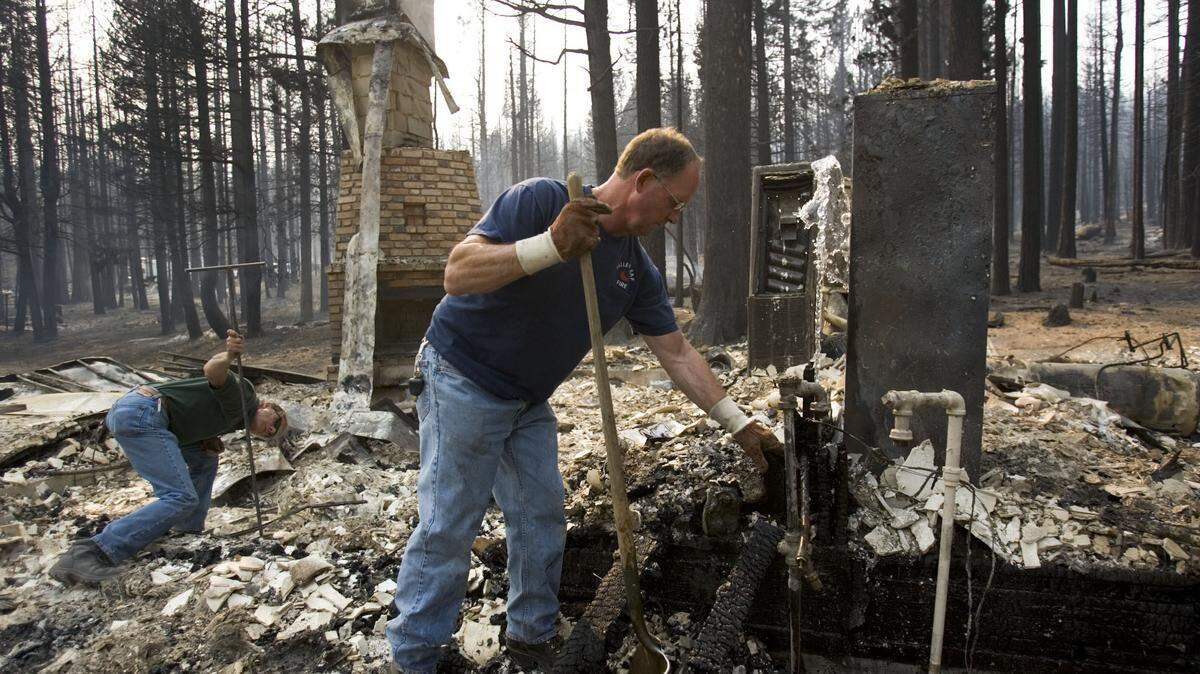
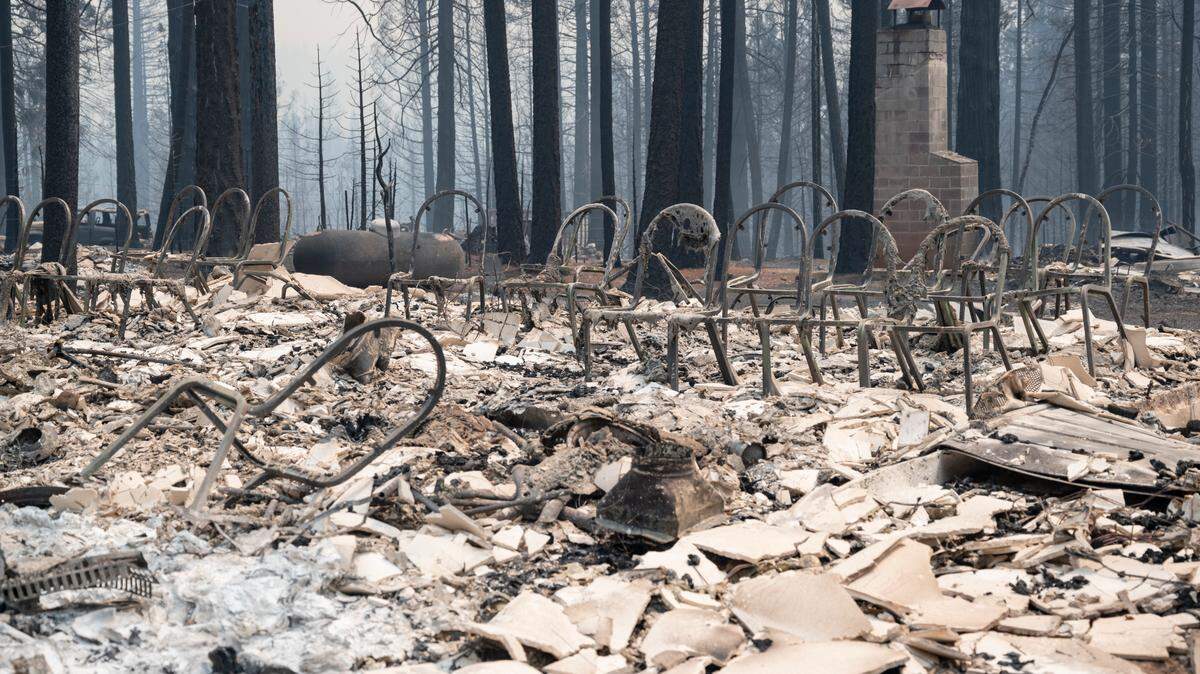
Why top California fire expert is so worried about Caldor Fire as it approaches Tahoe
READ MORE
California Wildfires
The latest on the wildfires burning in California. Get updates on the Caldor Fire, Dixie Fire and others, including size, containment, evacuation orders and more.
Expand All
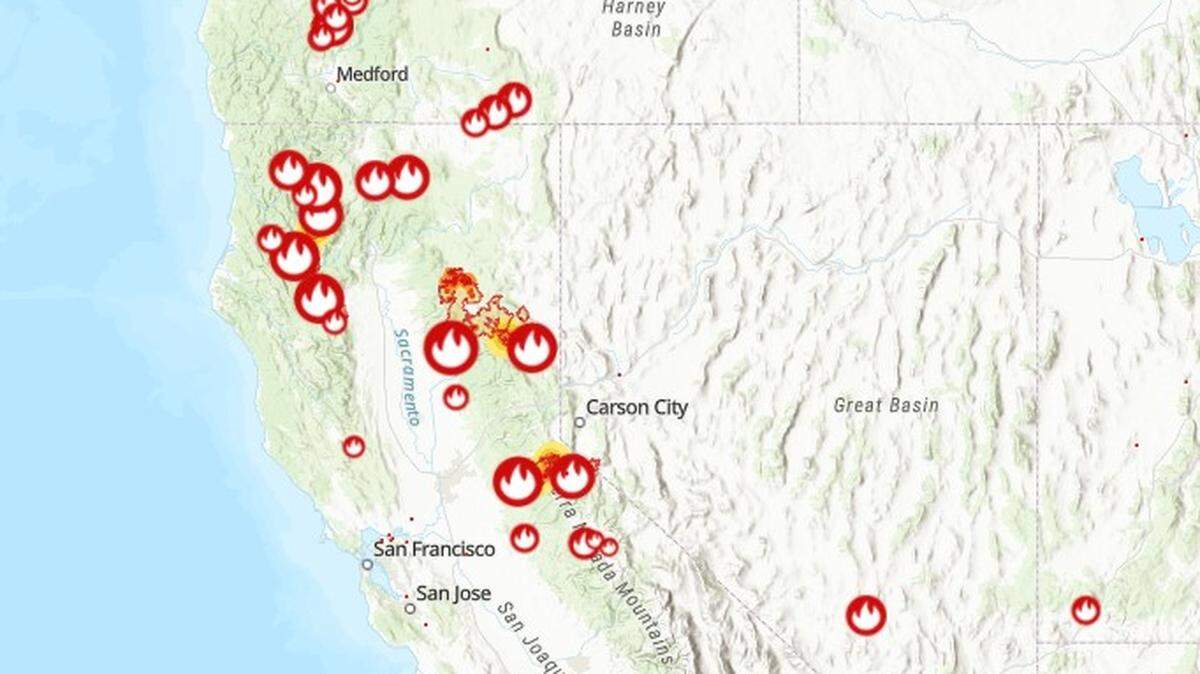
Scott Stephens, a professor of fire science at UC Berkeley, has been watching the Caldor Fire with worry as it heads toward Lake Tahoe, one of California’s most important natural landscapes and home to thousands of people.
Stephens, one of the top scientists in his field, spoke to The Sacramento Bee Monday about why he’s concerned, what firefighters are likely to experience and what needs to be done to make California’s fires safer and more manageable.
This interview has been condensed for length and clarity.
How concerned should we be that the fire is going to burn into the Tahoe Basin?
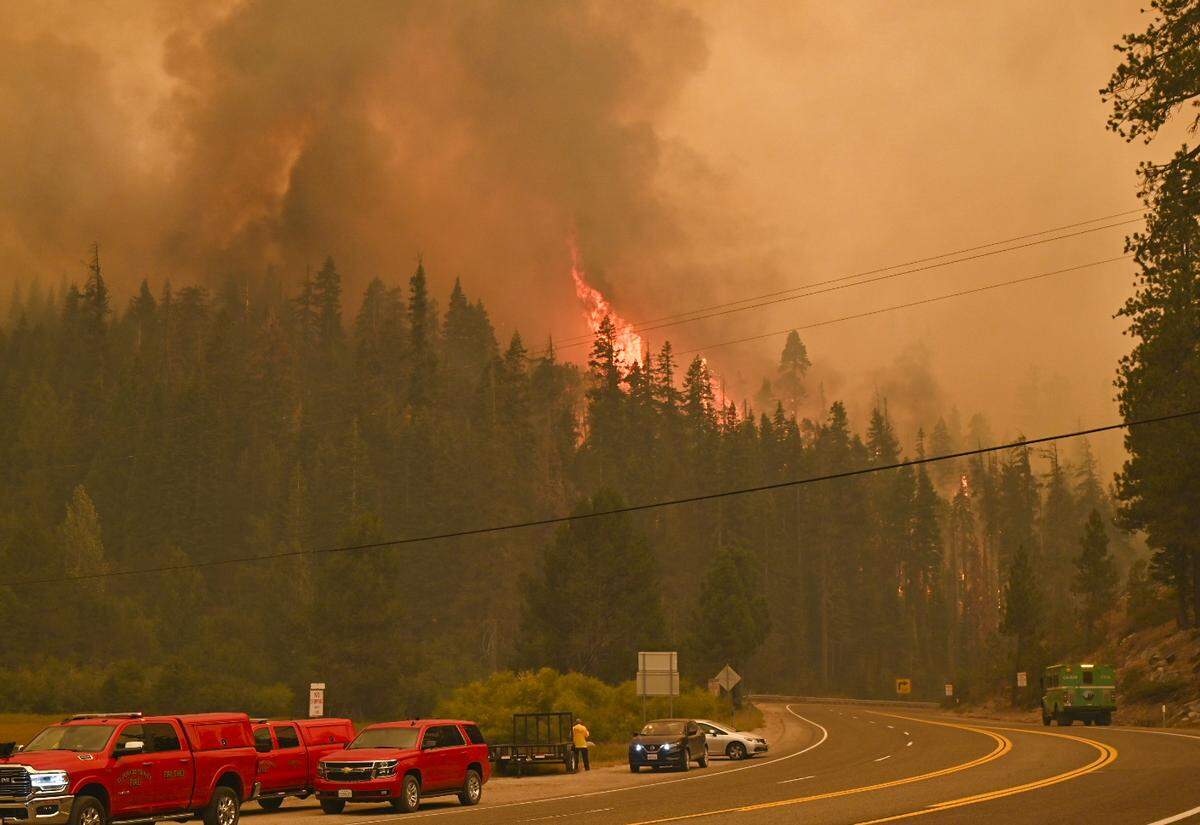
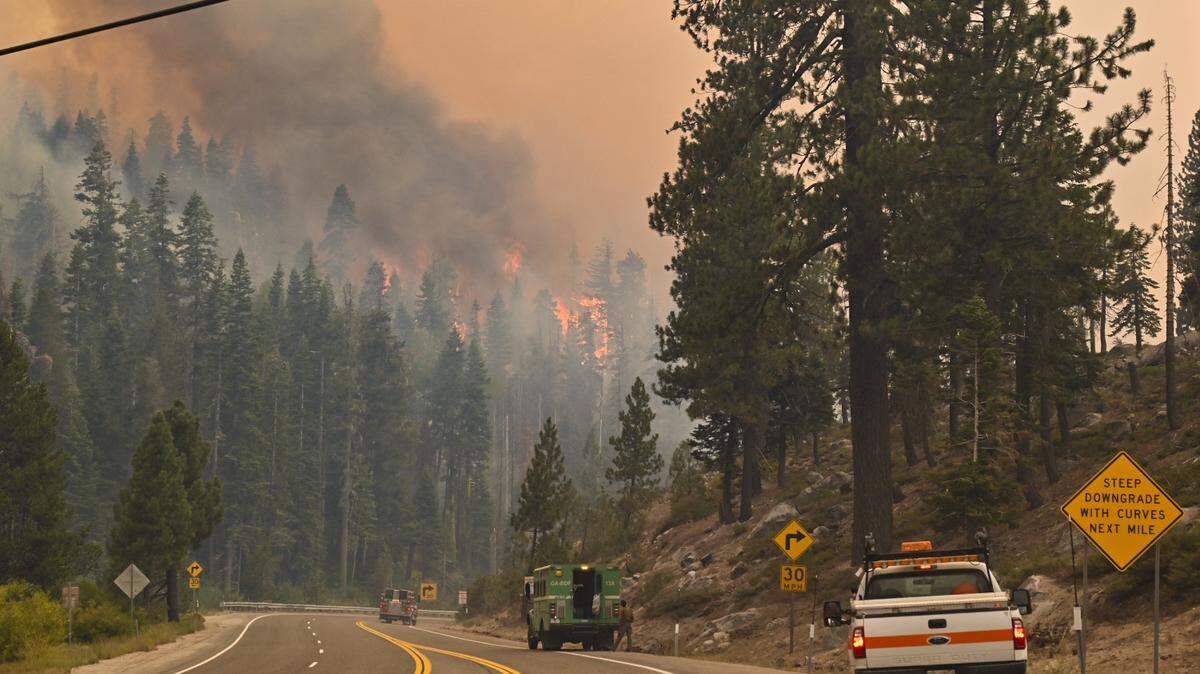
Desolation Wilderness is just to the west. Desolation Wilderness is almost treeless in many, many areas, so a fire can’t go there. But the two passes, like Echo Pass to the south, it really is a forest all the way up to the top. Unfortunately, that’s where that fire has moved up.
What makes conditions so dangerous right now?
The thing that’s surprising this year is the spot fires. Almost 90% of embers that are dropping on unburned fuel have the potential to start a new fire this year because it’s so dry after two years of drought. That’s very extreme and just really enables these fires to move ahead of the fire lines. I’m afraid now that if the fire has reached Echo Summit, it’s going to drop embers down into the Lake Tahoe Basin, especially with that Red Flag Warning that’s pushing winds to the northeast.
Why are spot fires such a concern?
There’s no doubt that some of those embers will actually spot down that ridge and ignite. And then more might spot down that ridge again. So it’ll probably take several jumps to get down to the bottom. But unfortunately, I think if it’s throwing embers off the top of Echo Summit, there’s no doubt it’s going to move down into the southern part of the basin.
How well prepared is the region to withstand a fire?
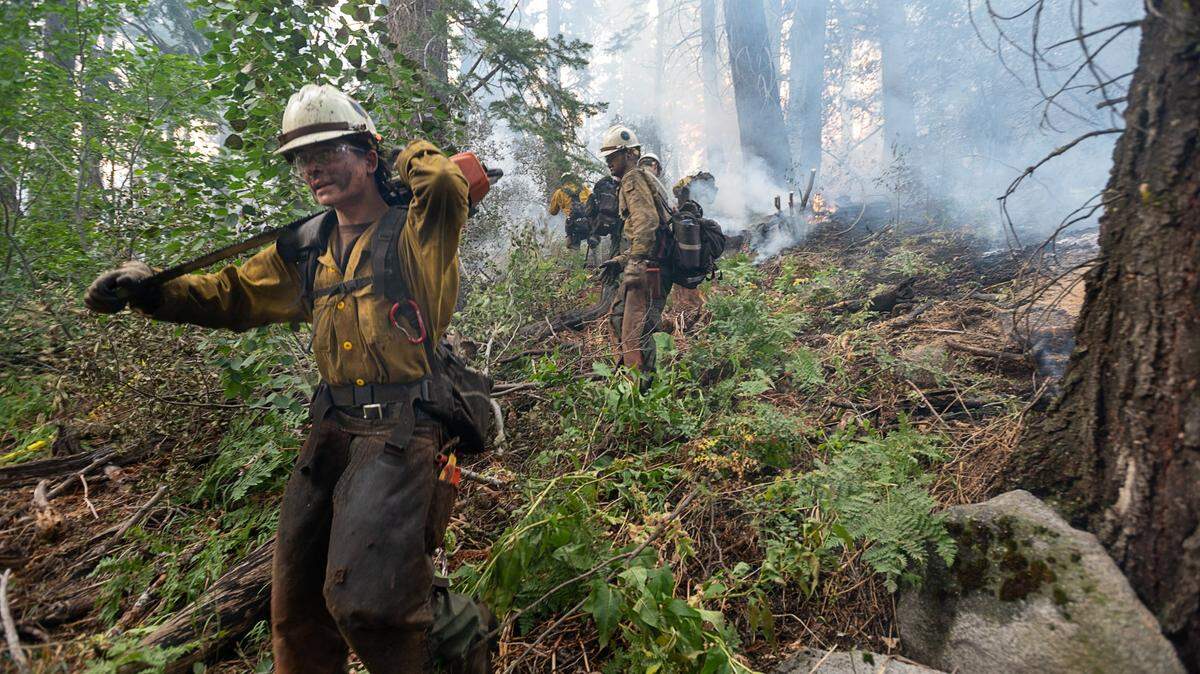
They’ve done a lot of work in Lake Tahoe Basin, especially on the western shore, to reduce tree density and reduce surface fuels. And I think that work will pay off in the sense that the fire is going to be lower flame length, lower intensity and make it easier to manage by the fire-suppression crews. But I’m afraid that the forest on the Highway 50 corridor to Echo Summit, much of that is completely untreated. That is actually what’s propagating that fire toward the south end of the lake.
How much consensus is there among fire scientists that these treatments do help?
I’d say at least 99%. I’ll be honest with you, it’s that strong; it’s that strong. There’s at least 99% certainty that treated areas do moderate fire behavior. You will always have the ignition potential, but the fires will be much easier to basically manage.
What are the impediments to doing more of these treatments?
The infrastructure bill in Congress is still pending, and there is a lot of money in there for forest restoration work. But the way we organize responses to fight fires, you know — federal, state, local — we’re bringing in resources from even out of state — I just wish that some day we could put that same type of energy and focus on doing that restoration work in the forests to get them in better condition. I also think that we need to do planning more efficiently. It can take four or five years of planning to get a single fuels treatment done.
Lake Tahoe is known for its clear blue water. Will this fire cause problems with clarity in the coming months and years?
If that thing burns severely with high tree mortality over hundreds and hundreds or thousands of acres, there’s no doubt it could create an erosion problem for the Lake Tahoe Basin.
This story was originally published August 30, 2021 at 1:19 PM with the headline "Why top California fire expert is so worried about Caldor Fire as it approaches Tahoe."
.JPG)