Has anti-camping law reduced Fresno homelessness? Mayor Dyer doesn’t think so
Fresno’s controversial anti-camping ordinance — which allows for misdemeanor charges and jail time if homeless individuals refuse services — isn’t helping to move the needle on homelessness, according to the city’s top official.
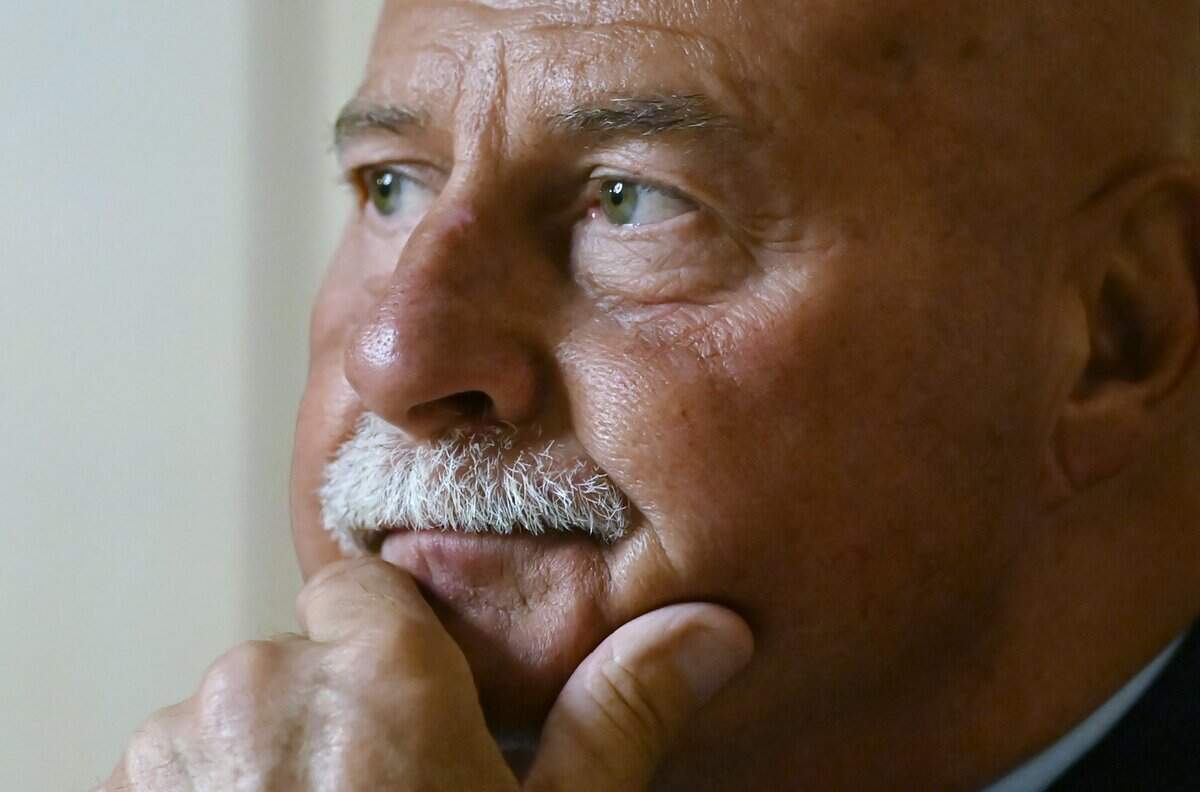
During a June 9 press conference where city and county leaders presented a new approach to tallying the region’s unhoused population, Mayor Jerry Dyer addressed questions about whether the August 2024 law is having an impact on the number of homeless individuals in the city.
“In terms of the ‘no camping’ ordinance, I don’t know that has had a dramatic effect in terms of reducing the number of unhoused and homeless folks in the community,” Dyer said.
“What I will say is that we are doing our best to respond to some of the complaints from community members, whether it’s in a residential area, business area,” he said.
Dyer said law is also helping to connect people to services: about 250 new people cycle through the city’s 700 estimated shelter beds every month, he said.
The city’s Homeless Assistance Response Team, a team comprised of police and code enforcement officers, establishes contact with the unhoused with the hopes that they will agree to go into a shelter or accept some sort or preventative services, Dyer said. He wants to add a second HART team in the fiscal year 2027 budget, though the proposal has been met with some criticism.
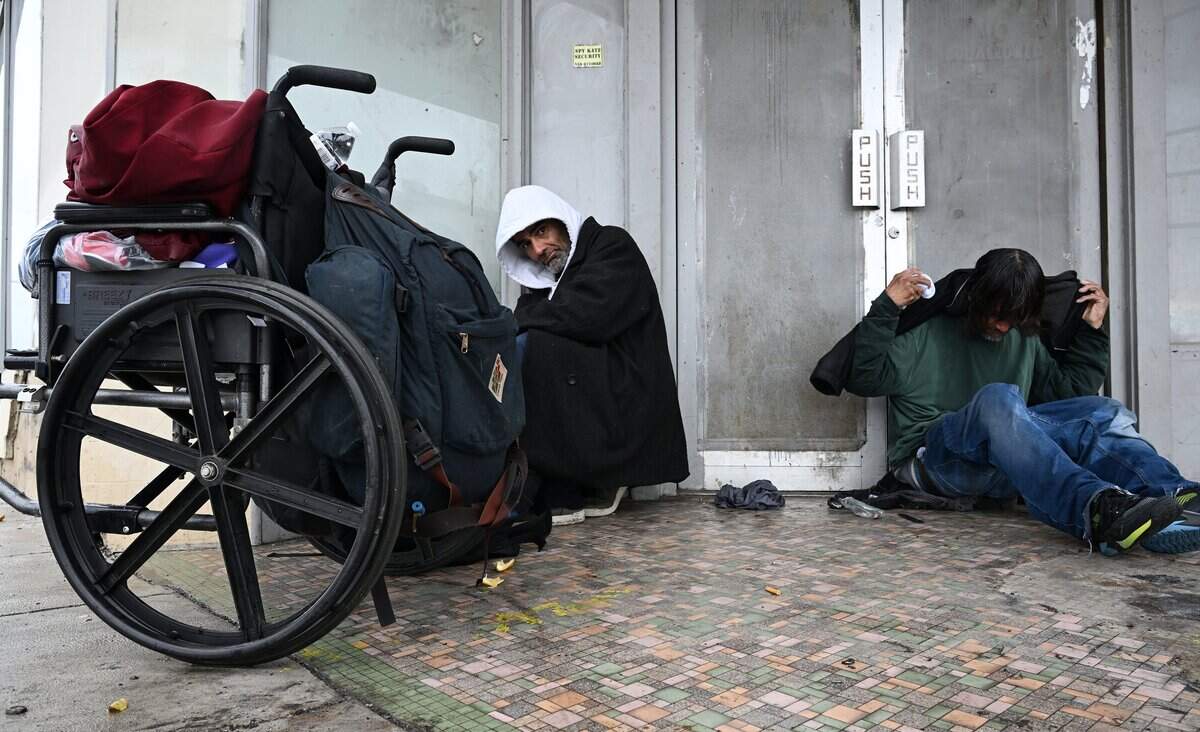
Homeless advocates say it’s not fair to punish people when there aren’t enough shelter beds to meet the need.
There are 3,250 people experiencing homelessness across Fresno and Madera counties in 2026, including 1,619 unsheltered and 1,635 sheltered, according to preliminary, unverified results from the 2026 point-in-time count. The PIT count is a snapshot of the homeless population nationwide on a date selected by federal housing officials. The count is used to determine state funding and local resources.
Bob McCloskey, an activist and reporter for Community Alliance, said that the city’s approach to disbanding large homeless encampments that have cropped up over the years, plus the anti-camping ordinance, are pushing more people into neighborhoods and in front of businesses.
“It’s not their fault they’re in your neighborhoods,” he said. “The city drove them into your neighborhoods.”
Dyer said he supports laws that would allow for conservatorships for those with severe mental illness.
“We have people that are out there on the streets today that cannot care for themselves, they are facing a serious mental health conditions.... and we do not have a way truly to compel those into mental health beds,” he said.
Fresno’s anti-camping ordinance
The 2024 ordinance states that “no person may sit, lie, sleep or camp on a property designated as a sensitive use.”
Those determined to be in violation of the law can be charged with a misdemeanor crime and face a $1,000 fine or up to one year in the Fresno County Jail if they refuse to enter drug treatment as an alternative to facing charges.
The June 2024 Supreme Court decision, Grants Pass v. Johnson — which ruled that state and local governments could enforce ordinances that ban homeless people from camping and occupying public land and municipalities — paved the way for cities like Fresno to pursue the anti-camping ordinance.
The ruling overturned precedent set by the Martin v. Boise case decided by the U.S. Court of Appeals for the 9th Circuit that said governments could not enforce anti-camping legislation when there are not enough shelter beds available for every homeless person under their jurisdiction.
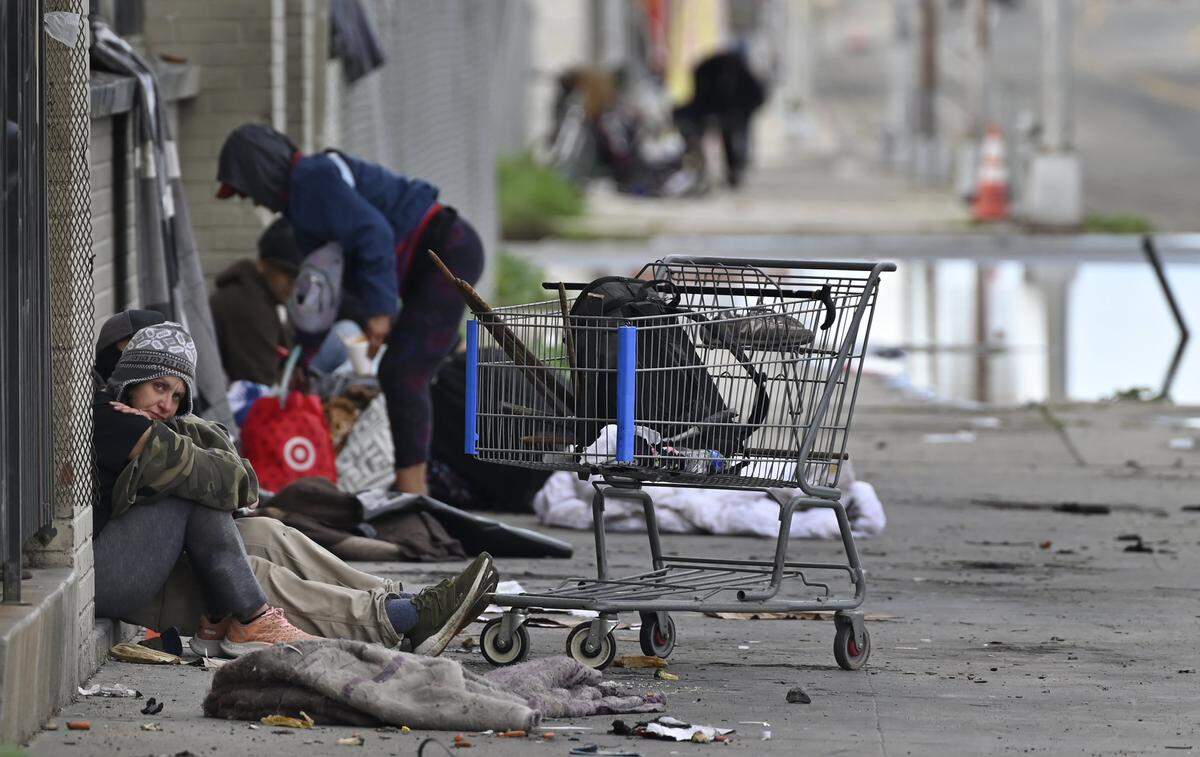
Fresno’s ordinance has faced several challenges since its implementation.
A lawsuit filed in December argued the city’s ordinance is discriminatory because it targets the unhoused with arrests and malicious prosecution.
In November, the city lost its first jury trial related to the anti-camping ordinance.
Following the trial loss, the Fresno City Council voted at its Dec. 18 meeting to broaden its definition of the term “camp” under the ordinance to include, but not be limited to: sitting, lying, sleeping, and or storing or placing a tent or material intended for shelter or bedding in a public place as the punishable offense. The amended ordinance also added language that prohibits “loitering or standing in or upon any public highway, alley, sidewalk or crosswalk or sensitive use or other public way.”
City Attorney Andrew Janz said these changes strengthened the ordinance language to make it “even more defensible.”