Mayor Dyer said there are ‘zero’ homeless encampments in Fresno. Here’s what he meant
Fresno Mayor Jerry Dyer said there are “zero” homeless encampments in the city — a comment that has elicited mixed reactions from advocates for the unhoused.
During a press conference last week explaining the new approach to tallying the homeless population, Dyer touted the city’s efforts to provide housing and services to the city’s unhoused, including the creation of 840 emergency shelter beds, $150 million spent on homeless interventions and $250 million on homeless preventions with the assistance of state and federal dollars.
“We’re making headway and I think we have to remember that,” Dyer said during the press conference. "Today we have zero encampments in the city of Fresno, and we judge an encampment by 10 or more people staying in a location for 10 or more days.”
There’s no one universally accepted definition of a homeless encampment. Some say the city’s encampment definition of 10 or more people staying in the same place for ten or more days obfuscates the issue of homelessness in Fresno.
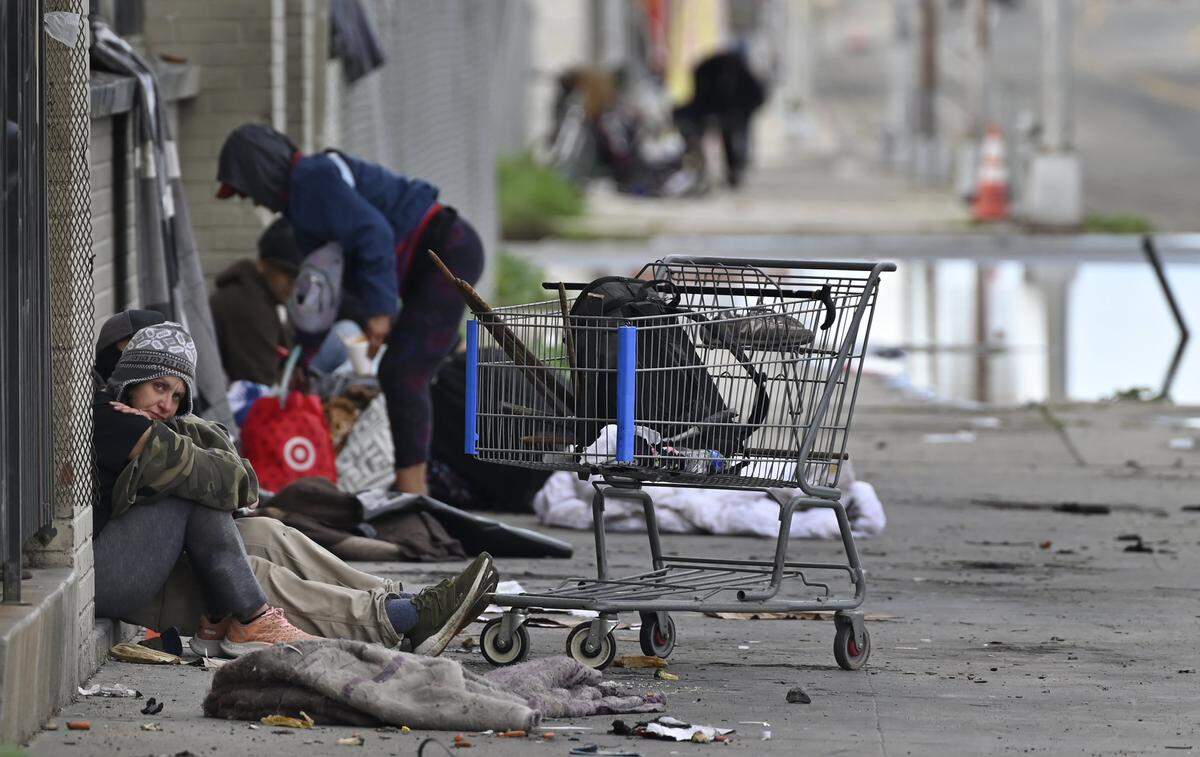
Others agree with Dyer that the city has eliminated the major large-scale encampments in the city, but the unintended consequence has been that the unhoused are being pushed into neighborhoods and in front of businesses.
Homeless advocate Dez Martinez said “the public deserves transparency, honesty, and policies based on reality, not word games.”
“What concerns me most is the message being sent to the public,” Martinez said in a statement. “When officials say there are no encampments, it creates the impression that homelessness is being solved when many people on the ground know that is not the case. We continue to see unsheltered individuals, including seniors, people with disabilities, families, and people struggling with serious medical conditions.”
Dyer acknowledged that the problem hasn’t yet been solved and that there are still people living in the streets and canal banks who are in need of services.
The latest official tally of homelessness in Fresno and Madera counties, known as the point-in-time count, shows that the region experienced a 9.2% increase in its homeless population in 2025. Dyer said homelessness appears to be declining in Fresno based on preliminary data for 2026, though officials also cautioned against comparing the numbers to past years due to a new survey-based approach to measuring the tally.
“So we have made progress, but we remain challenged, just like every city in America,” he said.
Fresno’s encampment definition
An encampment is a when people stay in temporary structures such as tents or enclosed places that are not intended for long-term continuous occupancy on an ongoing basis, according to the U.S. Department of Housing and Urban Development
The National League of Cities has a similar definition. Living on the street, and in encampments, can pose “deadly risks of hunger, disease, extreme weather, and violence, re-traumatizing people already suffering from ongoing and past trauma,” according to the U.S. Interagency Council on Homelessness.
Fresno has used the 10-people-for-10-days encampment definition for about 20 years, according to city records.
The city’s Administrative Order 6-23 dated Aug. 30, 2007, which outlines policies and procedures for cleaning up areas in which individuals have constructed temporary shelters states that for encampments of 10 or more individuals, which have been in place for more than 10 days, the city gives a seven-day advance notice before conducting a clean-up operation.
The city’s Homeless Assistance Response Team, a team comprised of police and code enforcement officers that responds to complaints about the unhoused, follows the 2007 guidance when responding to encampments and carrying out clean-up operations.
Homeless advocates weigh in
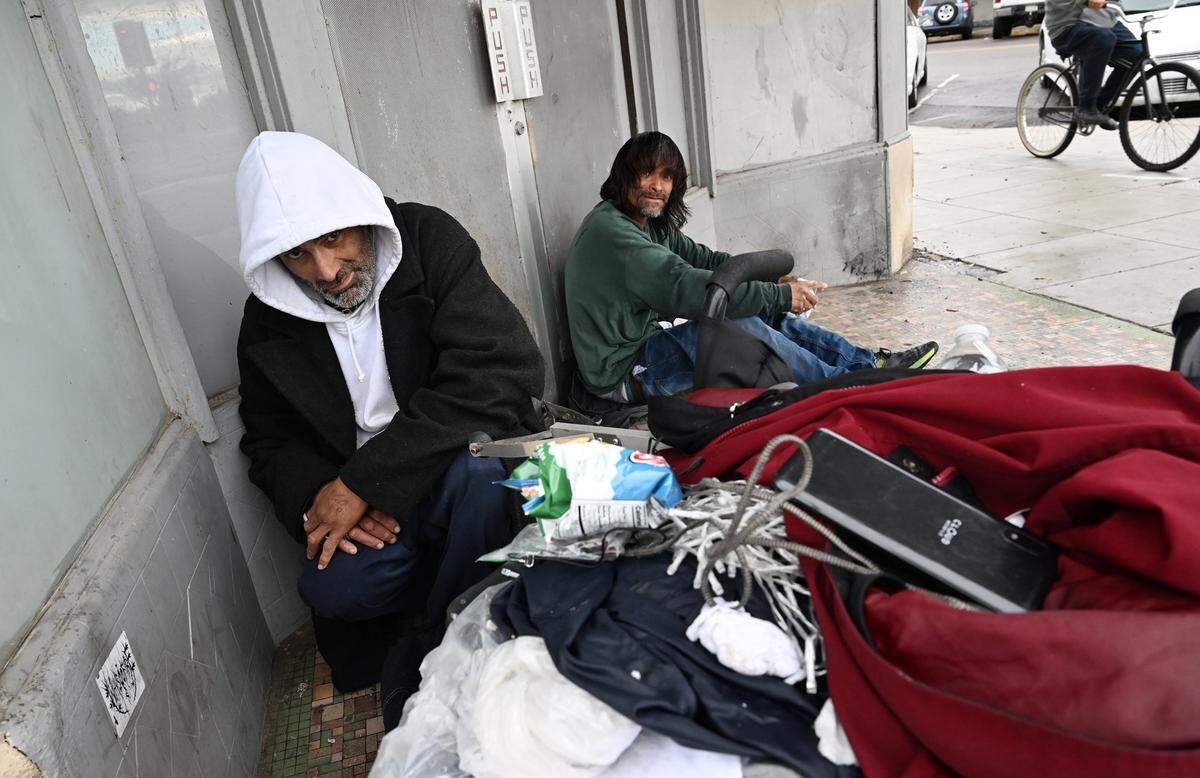
Bob McCloskey, an activist and reporter for Community Alliance, said that during the coronavirus pandemic several large encampments formed, some that had up to 100 people.
“He’s right,” McCloskey said of Dyer’s comments. “They did break up the encampments.”
For McCloskey, the problem is that disbanding these encampments and the controversial anti-camping ordinance are pushing more people into neighborhoods and in front of businesses.
“That’s why they’re roaming around aimlessly looking for a place (to stay),” he said.
Occasionally, McCloskey said, some encampments with about 20 to 30 people will form, “but they (the city) will inevitably get in there and break them up.”
Martinez — who previously ran a “safe camp” for about 32 people during the pandemic — is concerned with the decline of available emergency shelter bed space, since many of the shelters are being converted to permanent affordable housing per the terms of the state funding. The city currently has around 700 shelter beds, Dyer said.
The question should not be whether a camp has enough people to qualify under a specific definition, Martinez said.
“The question should be why so many people remain without safe, stable housing. Until every person has a place to go, homelessness remains a crisis in Fresno, regardless of the terminology being used,” she said.
This story was originally published June 16, 2026 at 5:23 PM.