Fresno’s anti-camping law lost first jury trial before city made it easier to prosecute
Fresno’s anti-camping ordinance targeting homeless public loitering lost its first jury trial case weeks before the City Council approved changes meant to make it easier for prosecutors to secure convictions under the controversial law.
After a three-day trial that began Nov. 18, Coster Angel Alvarez was found not guilty of violating the sit, lie, sleep camp ordinance by a 12-member jury.
Fresno police cited Alvarez, 50, under the anti-camping ordinance about 8:30 a.m. on May 15 near California Avenue and Highway 41, south of downtown, according to a police citation report and court records obtained by The Bee.
The defense argument and not guilty verdict sheds light on the limitations of the original ordinance’s language, as well as the public’s sentiment toward the city’s approach to homelessness.
In an interview, Alvarez’s lawyer, Fresno County Public Defender Chloe Morrissey, said the jury delivered a unanimous not guilty verdict after about 16 minutes of deliberation.
Morrissey said she argued during the trial that there was no direct evidence that it was her client’s camp. Based on available police body camera footage, she said Alvarez wasn’t seen sitting down, lying down, or sleeping at the encampment. In a separate case, he pleaded no contest to a felony concealed firearm charge and was sentenced to time served.
Another individual, Jennie Christina Garcia, was also cited along with Alvarez nearby. Her case is pending.
Several jurors told Morrissey they were “shocked” that Alvarez would have had a misdemeanor on his criminal record had he been guilty of violating the city’s ordinance, Morrissey said. She said some jurors had questions about the intent of the ordinance and whether being homeless is an actual “choice.”
City attorneys defended their case in a prepared statement.
“Our team proved the case beyond a reasonable doubt,” Chief Assistant Fresno City Attorney Ashley Paulson said. “While we respect the jury process, there are occasions when jury nullification can occur despite clear instructions from the court.”
This is at least the city’s third failed attempt to hold violators of the ordinance accountable in Fresno County courts since the Fresno City Council passed the ordinance in August 2024. This case is believed to be the first case under the ordinance to face jury trial, Morrissey said.
The ordinance is facing more legal scrutiny. Last month, a Fresno-based civil rights attorney served Fresno with a lawsuit that argued the city’s ordinance is discriminatory because it targets the unhoused with arrests and malicious prosecution.
City Attorney Andrew Janz said he expects the city to be able to defend its ordinance.
Details from three-day trial
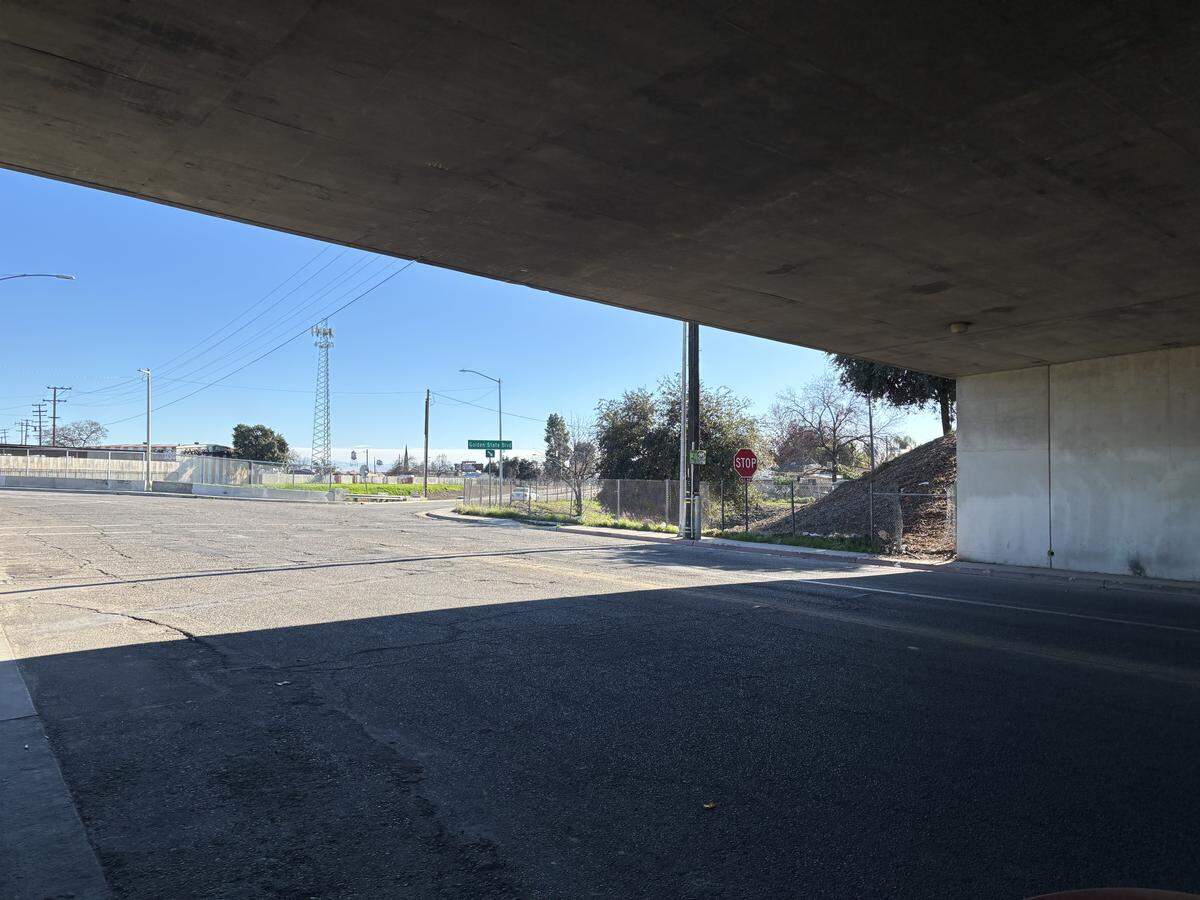
Alvarez and Garcia were south of downtown, a few blocks from Poverello House, when they were cited by police last May.
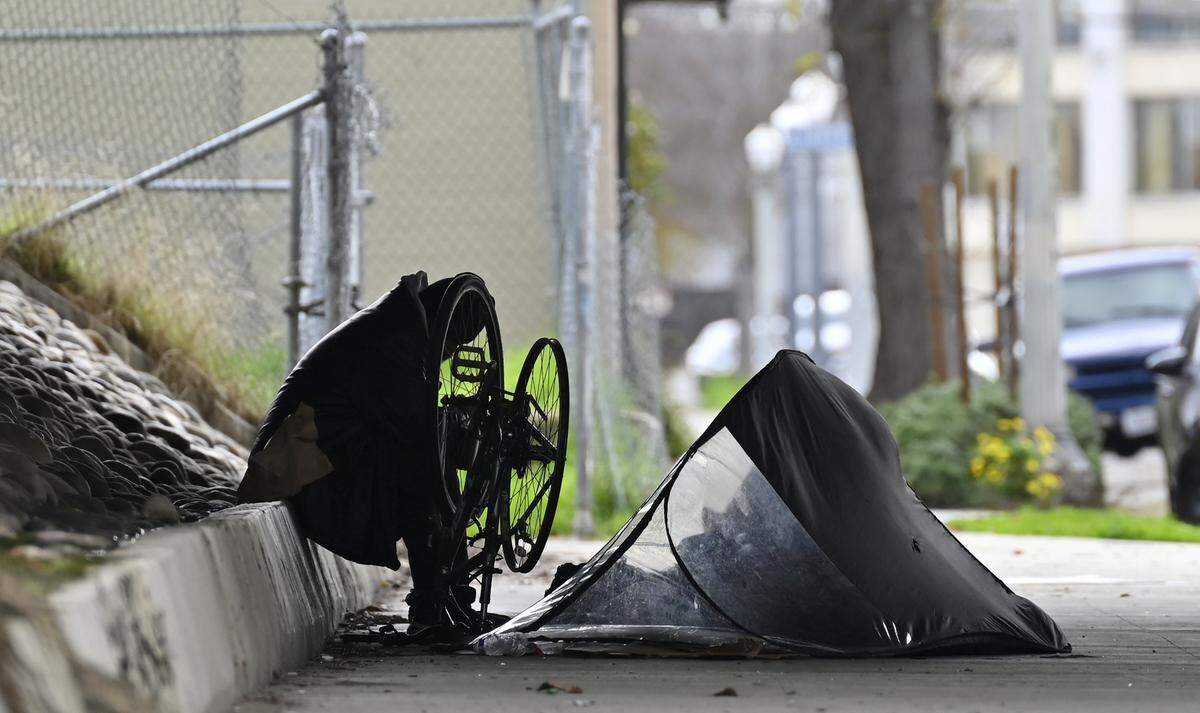
“Both subjects were cited for having a large encampment blocking the entire sidewalk on E. California Ave near F street,” Fresno Police Department spokesperson Larry Bowlan said in a statement to The Bee.
Police body camera footage was shown in court depicting officers primarily talking to a distraught Garcia, whose personal items, including a walker, appeared to be strewn at a makeshift camp, Morrissey said.
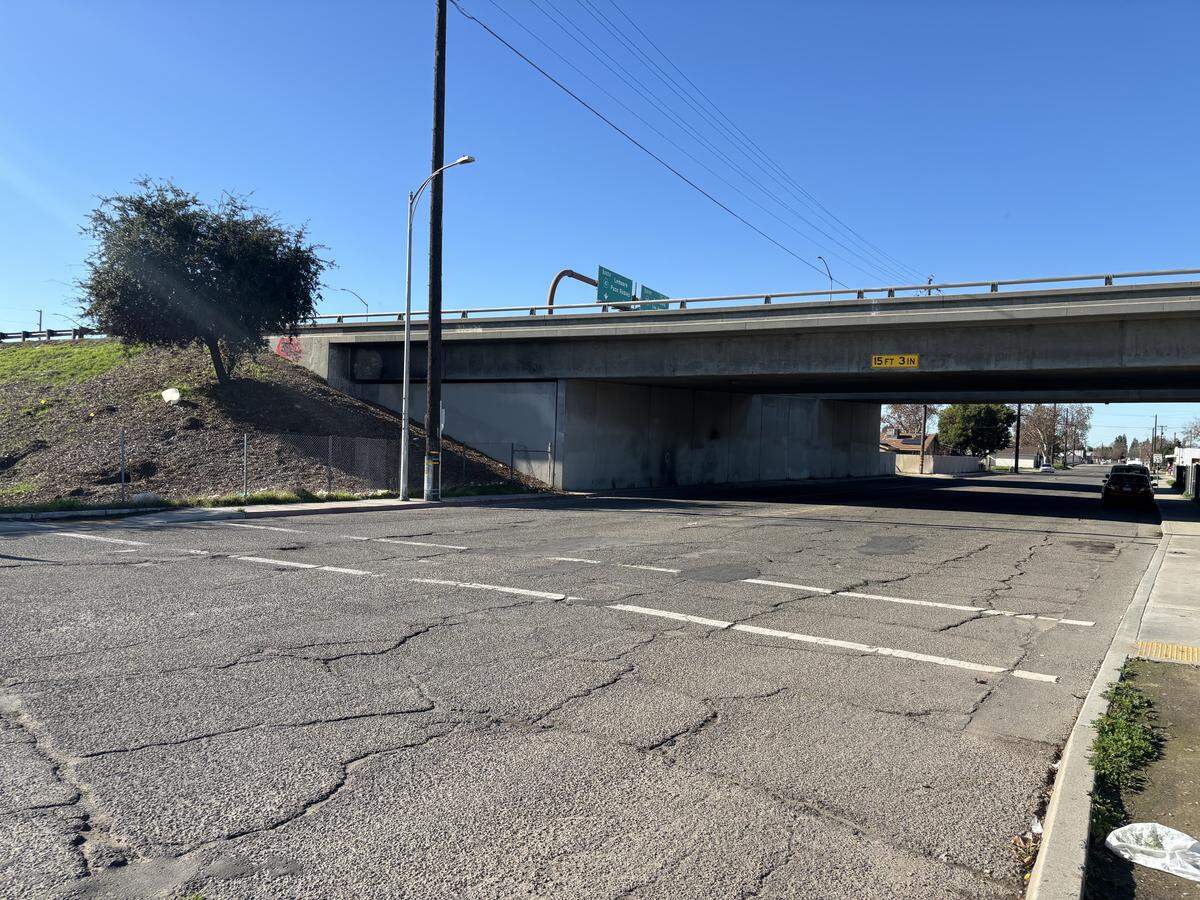
Alvarez was leaning against a cart with his belongings further down the block, not sitting or lying down in the camp where his co-defendant was cited, she said.
The duo was in a part of town that had little pedestrian. Morrissey said few cars and zero pedestrians passed by during the approximately 20 minutes of body camera footage.
“They were not in front of someone’s home, blocking a driveway, or by a school,” she said.
Changes to anti-camping ordinance
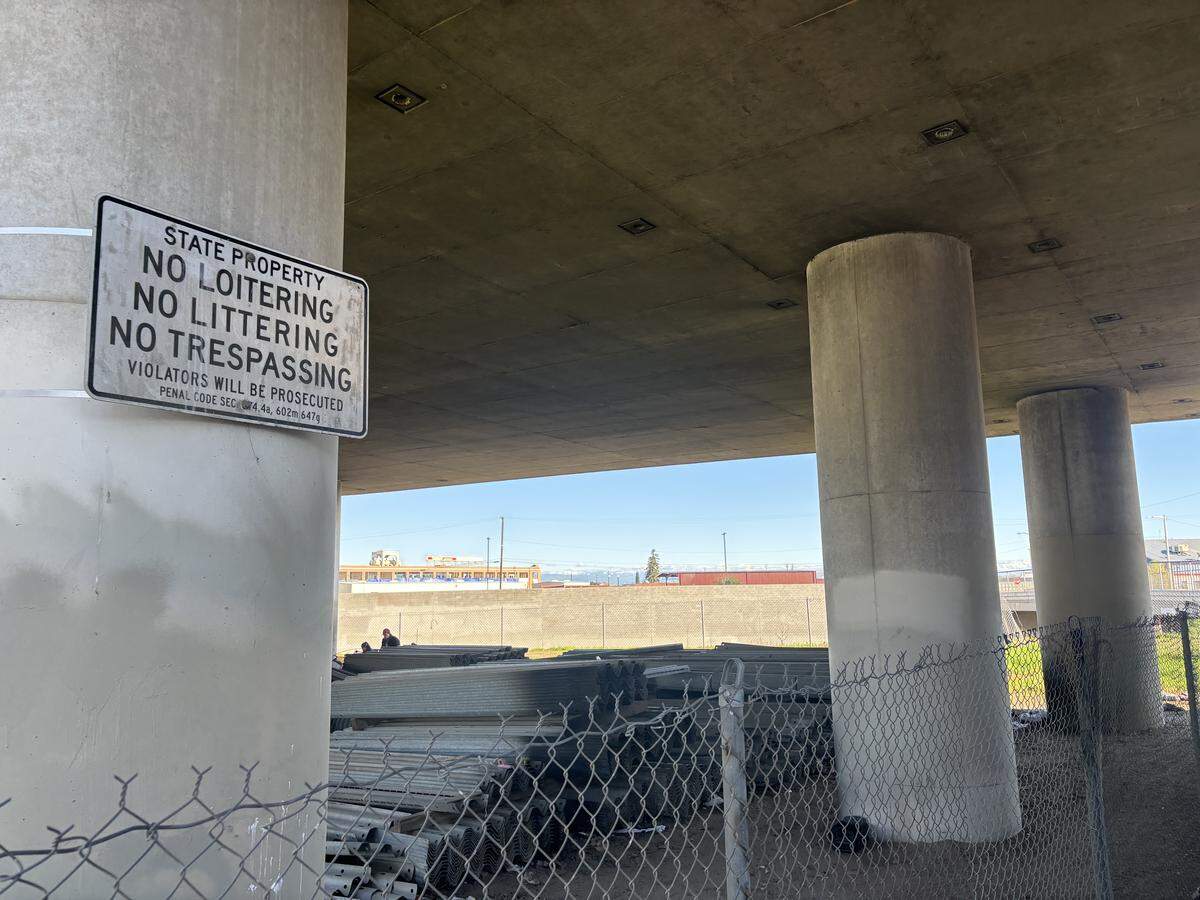
The 2024 ordinance states that “no person may sit, lie, sleep or camp on a property designated as a sensitive use.” Those determined to be in violation of the law can be charged with a misdemeanor crime and face a $1,000 fine or up to one year in the Fresno County Jail if they refuse to accept services.
Following the trial loss, Janz made a recommendation to Fresno City Council to strengthen ordinance language to make it “even more defensible. ”
This included making the ordinance’s language more broad in its reach.
The City Council voted at its Dec. 18 meeting to delete the “sitting, lying or sleeping” language from the ordinance, leaving “camping” as the punishable offense.
The term “camp” was then broadened to include, but not be limited to: sitting, lying, sleeping, and or storing or placing a tent or material intended for shelter or bedding in a public place as the punishable offense. The amended ordinance also added language that prohibits “loitering or standing in or upon any public highway, alley, sidewalk or crosswalk or sensitive use or other public way.”
The new version of the ordinance also allows for civil action against violators, which does not require a day in court.
Morrissey, the public defender, said the the City Attorney’s Office’s main goal should be to seek justice, not convictions. She believes the ordinance is unconstitutional and doesn’t solve homelessness in Fresno.
“The (city’s) response to this shouldn’t be ‘how can we get a conviction?’ It should be, ‘what are we doing wrong?’” she said.
This story was originally published January 8, 2026 at 12:48 PM.