Fresno making ‘great’ progress on homelessness, officials say. But are they?
At a press conference where Fresno officials touted that homelessness appears to be declining in Fresno, they also said comparing the numbers to past years is unreliable due a new approach to the tally.
Fresno city and county officials presented Tuesday the unofficial tally of the 2026 point-in-time count conducted in January. Initial results indicate there are 3,250 people experiencing homelessness across Fresno and Madera counties in 2026, including 1,619 unsheltered and 1,635 sheltered.
This unvalidated count reflects the number of unhoused people that agreed to take the PIT survey and confirmed that they were experiencing unsheltered homelessness; it does not include the number of unhoused people who declined to participate in the survey.
“The 2026 point in time account, although not validated yet, shows that we are actually making a great deal of progress,” Fresno Mayor Jerry Dyer said during the press conference. The data is awaiting official confirmation by the U.S. Department of Housing and Urban Development, officials said.
Official results for the 2025 PIT count released Monday based on a count from 17 months ago and was only just released due to delays at the federal level, officials said. The 2025 data showed an increase of 9.2% in homelessness compared to the previous count in 2023, with 4,905 across Fresno and Madera counties, including 3,042 unsheltered and 1,863 sheltered. (HUD only requires a count of unsheltered individuals every other year).
While at first glance it appears that homelessness has declined by around 33.7% between 2025 and this year, Laura Moreno, chair of the Fresno Madera Continuum of Care, said it wouldn’t be fair to compare previous numbers given the new methodology and approach.
“Today’s release shouldn’t be viewed as a success or a failure. It should be viewed as a way to better coordinate and to collaborate amongst the stakeholders to provide better, more specific services to the people experiencing homelessness,” Moreno said.
New approach to PIT Count
The PIT count is a snapshot of the homeless population nationwide on a date selected by HUD. The count is used to determine state funding and local resources.
The new survey-based methodology implemented for the 2026 count is based on unhoused individuals agreeing to answer a series of in-depth questions about their housing history, length of homelessness, demographics, and service needs.
The new approach is expected to reduce duplicate counts and is aligned with federal best practices and national standards for homelessness data collection, said officials with the Fresno Madera Continuum of Care, a 62-member organization that serves as a regional coordination of local governments, nonprofits, service providers, and individuals working on homelessness in the region.
Previously, the PIT count relied on a visual tally of the unhoused taken on a specific night of the year.
A more accurate comparison will be possible when 2027 data are released using the same methodology as 2026, officials said. Moreno said the FMCoC learned they need more volunteers and time to conduct the surveys in future years. They also need a way to capture the number of individuals who declined survey participation, she said.
Moreno said “homelessness remains a dynamic challenge.”
There are still more people entering homelessness every day “than what the system can actually handle,” she said.
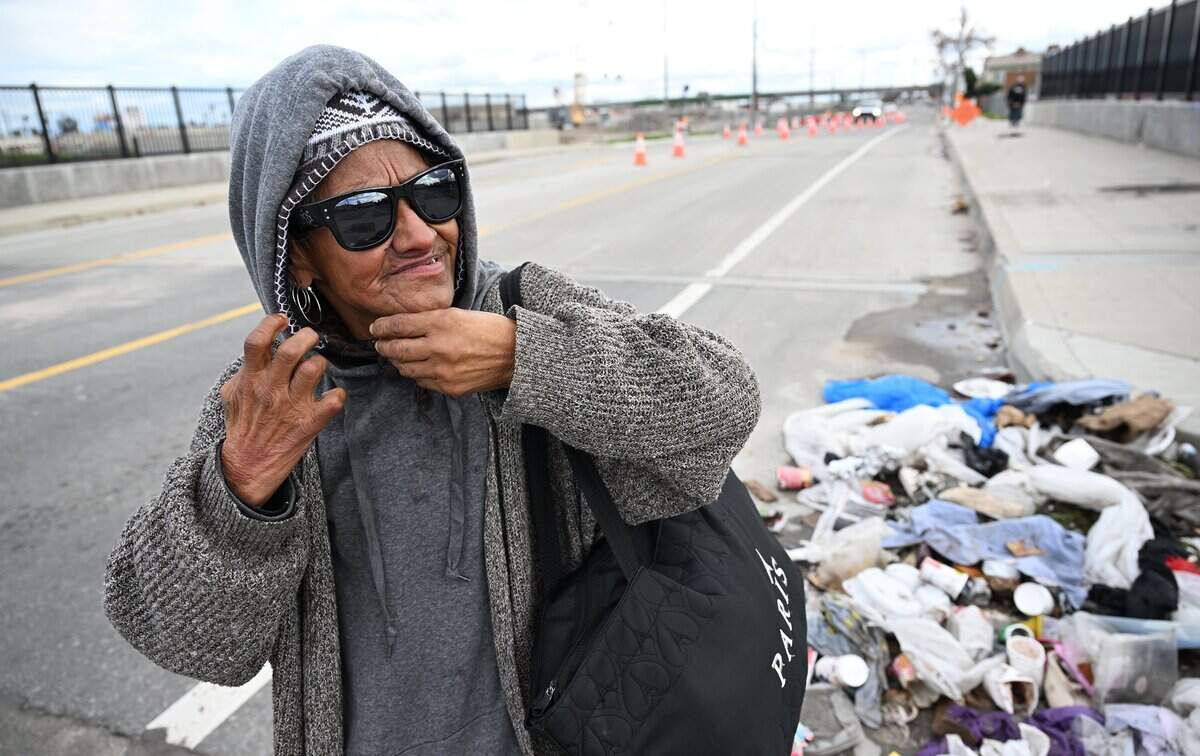
Moreno said the PIT is only one data point to consider when thinking about homelessness.
Another 12,000 people are at-risk of entering homelessness, she said, citing the number of people in the Homeless Management Information System that have accessed prevention services, diversion services or CalWorks, a time-limited cash assistance to families with children.
“There are many people accessing the services, many who are on the verge of homelessness, who might be one check away from homelessness,” Moreno said. “So that’s all the data that you have to take into account.”
Fresno city, county officials give update on homelessness
City and county officials said funding changes at the state and federal level would be an ongoing challenge, but they remained optimistic about their work to reduce homelessness.
“I am confident when the 2027 PIT is done, that you will continue to see a decline in both our homeless numbers and our unhoused numbers in the city and county of Fresno, and together,” Dyer said.
Dyer emphasized the city’s efforts to remove homeless encampments along highways, the creation of hundreds of emergency shelter beds in the city thanks in large part to state funding and the outreach teams connecting the unhoused to services.
Fresno County Supervisor Nathan Magsig said it’s important to understand what’s driving the growth of the state’s homeless population, and cited the state’s efforts to close prisons as one factor that’s driving the increase in homelessness.
“You’re seeing homelessness in people who are on probation and parole actually increase,” Magsig said. He said there needs to be reliable streams of funding that come from the state of California to address these issues.
Fresno County Supervisor Luis Chavez said the city, county, FMCoC and other service providers are in an era of collaboration. In 2020, a Civil Grand Jury said Fresno’s lack of coordination in its approach to homelessness contributed to the problem.
“The message that we want to send today...is that the era of people working in silos and doing things on their own is over,” Chavez said. “We are now collaborating,” he said.
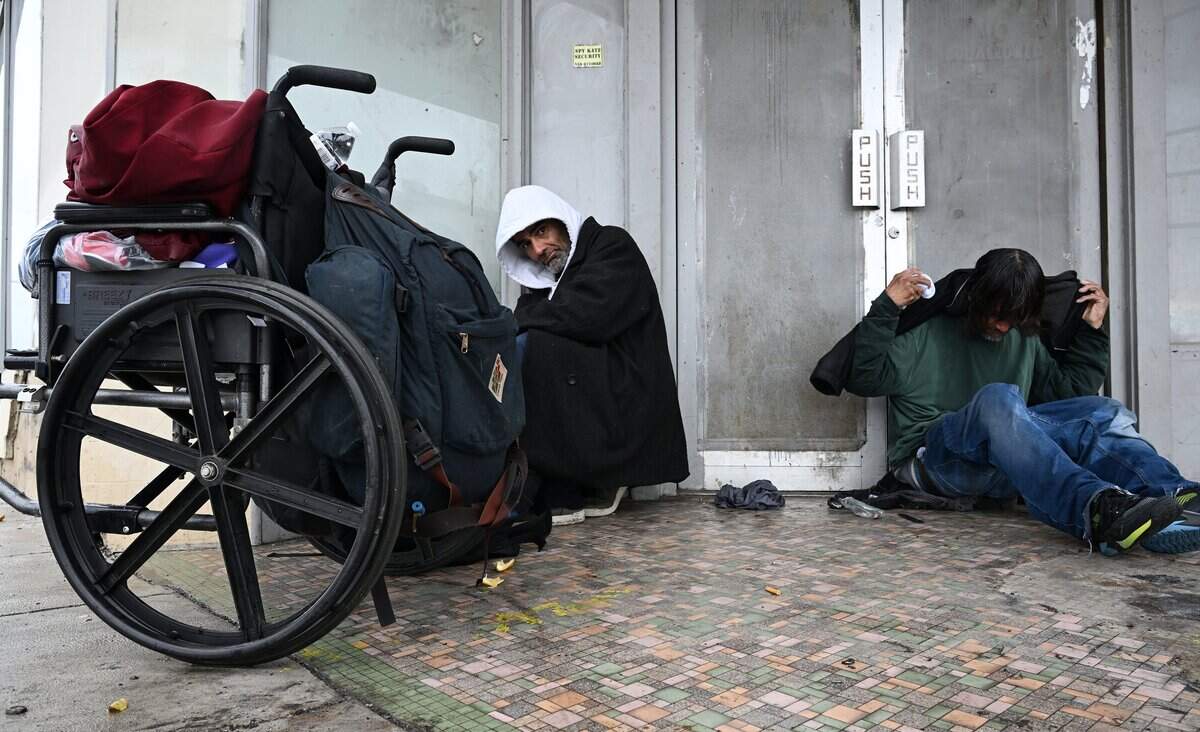
This story was originally published June 9, 2026 at 6:41 PM with the headline "Fresno making ‘great’ progress on homelessness, officials say. But are they?."