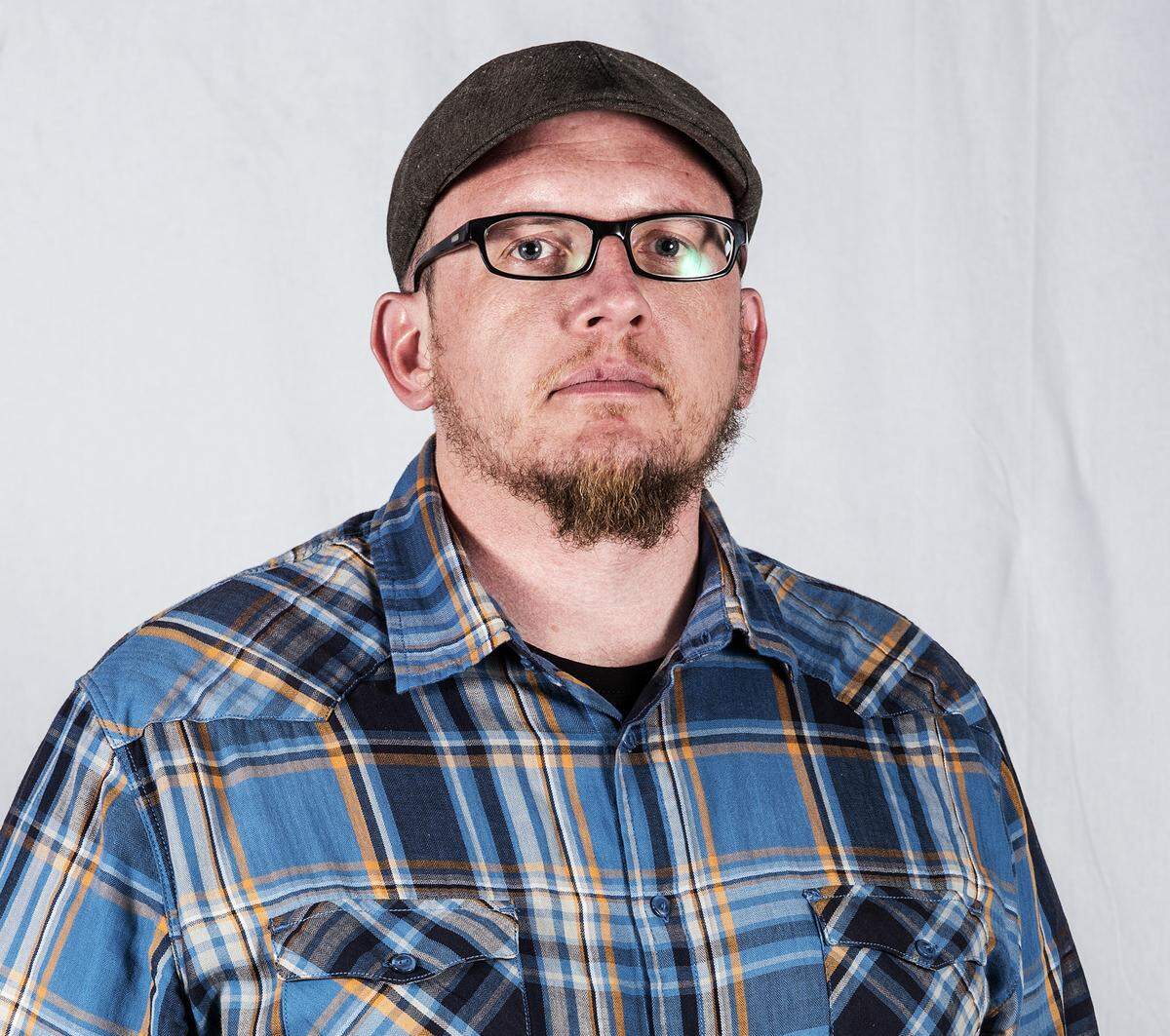
Mayor Dyer makes it clear: Fresno needs Biden’s COVID plan to pass to avoid layoffs
Fresno Mayor Jerry Dyer said the city is facing the potential for 250 layoffs — including first responders — as it deals with budget shortfalls from the COVID-19 pandemic.
Dyer told The Bee in a Tuesday meeting that a $31 million shortfall could force the layoffs if the city doesn’t get further federal relief related to the coronavirus.
Republican mayors with cities in tough financial positions find themselves hoping for relief from President Joe Biden, a Democrat, according to a report in the Washington Post. Dyer said he’s open to going to the nation’s capital if he needs to push for relief.
“We got hit very, very hard, if not the hardest,” he said. “My No. 1 priority is to look out for the people of Fresno. My No. 1 priority isn’t to look out for a political party.”
Biden has floated a $1.9 trillion coronavirus relief plan. Without it, Fresno could face those 250 layoffs of city workers, including police officers and firefighters.
Last April, Fresno city staffers were predicting the budget would be down about $39 million for the rest of the fiscal year and through the next year.
The city got some reprieve from about $92.8 million in federal dollars related to federal COVID-19 relief, according to city staffers, but businesses have continued to be shuttered or allowed to operate at lower-than-full capacity as the pandemic continues.
Much of that money was earmarked for COVID-19 programs, and could not just be used only to shore up the city’s bottom line.
Homeless, poverty in Fresno
Dyer said he believes his Republican counterparts in Washington who are dragging their feet on Biden’s plan are not faced with the amount of homeless, those living in poverty and other issues on the ground as Fresno County.
“This isn’t about putting pressure on anyone,” Dyer said Tuesday. “This is about simply making sure folks in Washington, D.C., are aware of the plight we face locally in government.”
Biden’s emergency plan, unveiled in January, includes a $400 weekly unemployment benefit through September, $415 billion to boost the pandemic response and rollout of COVID-19 vaccines, about $440 billion for small businesses and communities and $130 billion for schools. The plan also calls for raising the federal minimum wage to $15 per hour.
Also included is around $25 billion related to housing relief. Many homes in Fresno are behind on deferred utilities and rental costs.
Fresno is also facing a violent crime wave that started with five homicides in the first four days of the new year.
The city is expecting the last quarter of 2020’s tax revenues to have under-performed by 30% even with projections that accounted for the difficult pandemic economy, according to Councilmember Luis Chavez, who is serving as council president.
Chavez noted the city has some $35 million in its reserves, often called a rainy day fund. “If the administration is talking about 250 layoffs, that’s pretty rainy to me,” he said.
The City Council holds the purse strings when it comes to spending taxpayer money in Fresno. Chavez noted the council has not yet heard the official projections from city staffers.
The tax revenue for the end of the year is expected to come in next week, city officials said.
Preparing for potential recession
Dyer said the reserves could play into preventing layoffs, but noted they should ideally be used for a potentially looming recession.
“For a time when the federal government isn’t able to help us out,” Dyer said. “When the state government isn’t able to help us out because they too are going through the recession.”
Democrats are hoping to pass the stimulus deal before March 14, the day that $300 weekly unemployment benefits approved in December’s coronavirus package expire. That timeline has added to the lawmakers’ desire to go with the budget reconciliation route, a process that allows for “expedited consideration” of legislation on spending, taxes and debt.
The plan also would send $1,400 checks to individuals earning up to $75,000 a year and joint filers earning up to $150,000, if the income levels stay the same as with the first two rounds of payments. The proposal would also provide $1,400 per child or adult dependent.
This story was originally published February 16, 2021 at 10:19 AM.