Should outside events be canceled by wildfire smoke? Here’s what health officials say
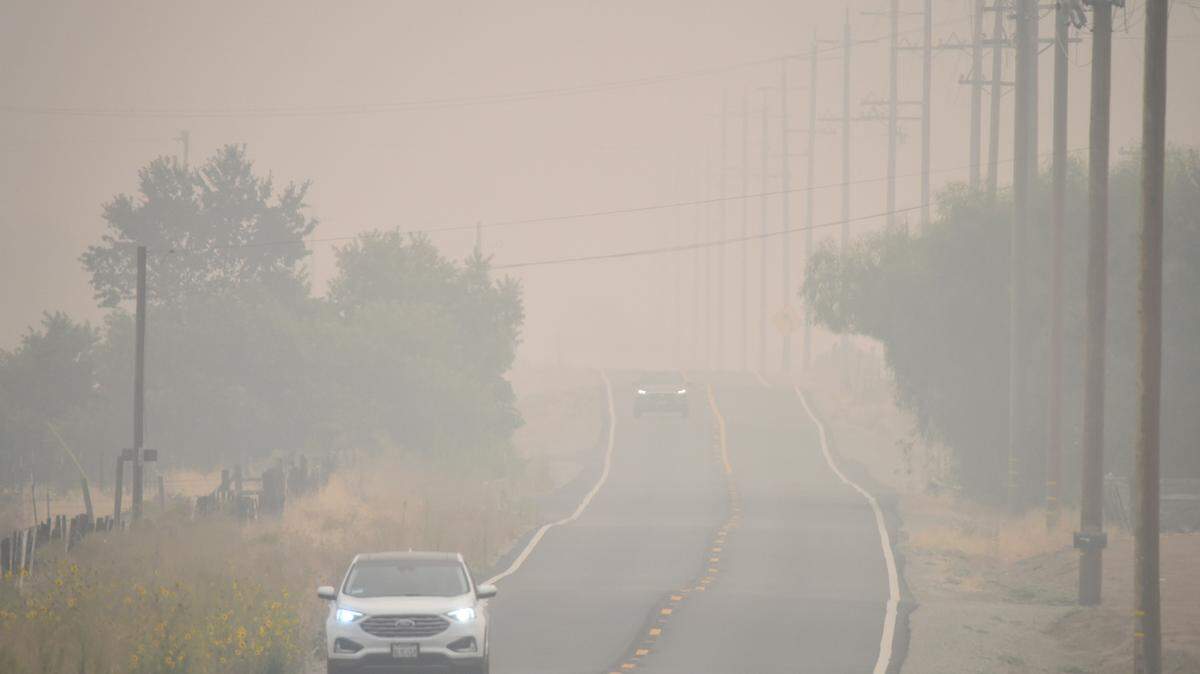
Wildfire smoke caused “hazardous” levels of air pollution in parts of the San Joaquin Valley Monday morning, and poor air quality conditions are expected to continue at least through Thursday.
Does that mean you should cancel the family barbecue? How about swim team practice, a long distance run? Should outdoor games be postponed? What about outdoor concerts? Should outdoor workplaces close?
According to California public health officials, when the air quality reaches “hazardous” levels, the answer is yes, yes, yes, yes, yes and yes.
When the smoke is that bad, it’s unsafe for anyone to be outside. It’s especially dangerous for children, pregnant women, adults over 65 and anyone with existing respiratory or cardiovascular problems like asthma or COPD. Air quality this poor can cause permanent damage to hearts and lungs, and is associated with increased emergency visits and higher rates of death.
The San Joaquin Valley Air Pollution Control District on Monday afternoon said it “strongly encourages Valley residents, school officials, and event planners to closely follow the current air quality conditions and recommendations when making decisions about outdoor activities.”
While there are no mandated closures for air quality at a national or state level, public health officials have guidance for when school districts and community members should take certain protective measures from smoke.
Valley Air has a longtime outreach and education program that alerts people when air quality is dangerous and provides guidance on what activities are safe. You can find out the current air quality index by punching in an address here, the Real-time Air Advisory at valleyair.org/myraan.
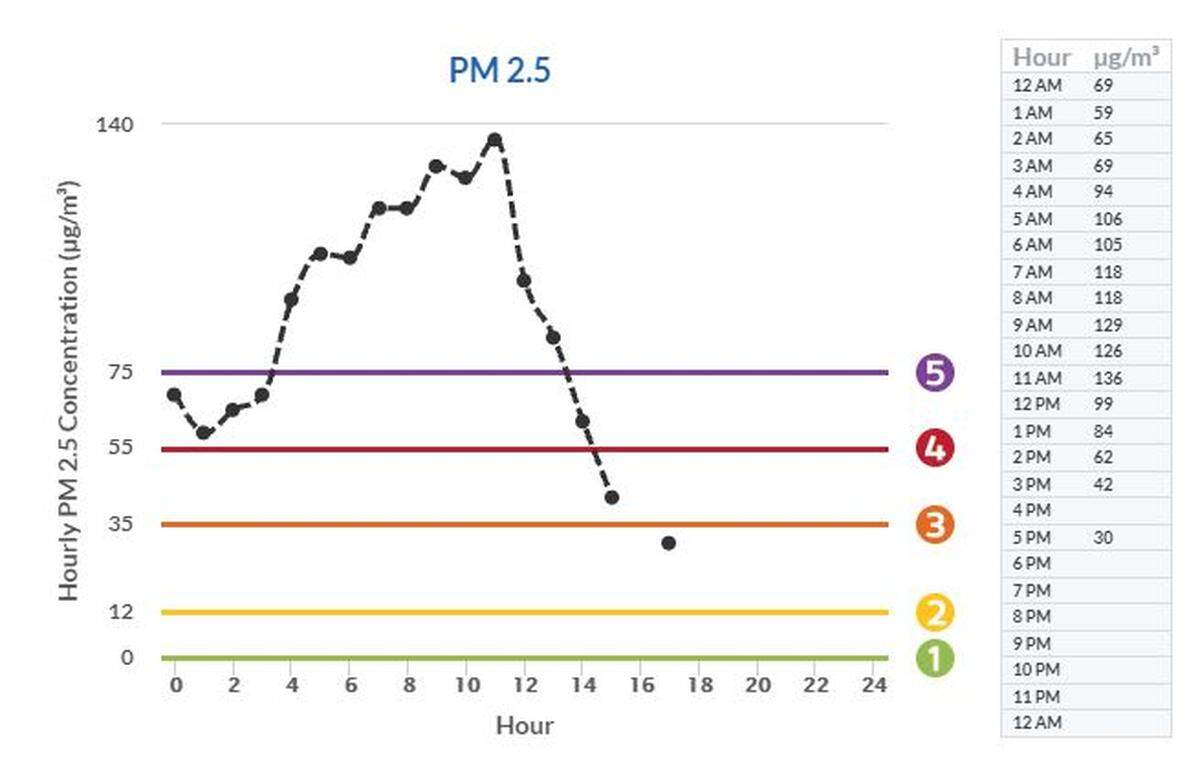
Guidance for schools, sports during wildfire smoke
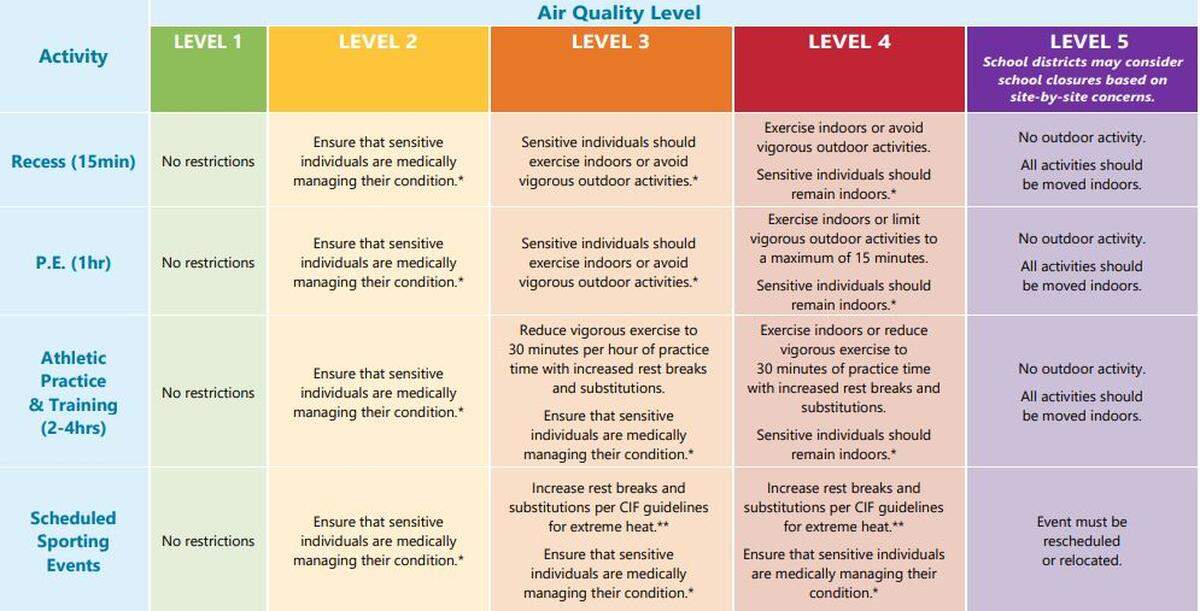
Local school districts have the authority to determine when to move recess indoors, or cancel outdoor physical education, athletic practice and scheduled sports events for student health.
Some schools between Stockton and Bakersfield canceled outdoor activities on Monday by moving recess indoors, for example, and independent youth sports operators have recently made the tough decision to cancel games, according to Jaime Holt, with Valley Air.
Some 1,300 Valley schools are enrolled in a Healthy Air Living Schools program, meaning staff follow Valley Air’s real time air quality reporting that offers guidance on health-protective measures during wildfire smoke, and poor air days caused by other pollutants.
There are no state laws or rules about when activities have to be canceled or moved indoors, because “circumstances can vary greatly from one school district to another,” according to Amy MacPherson, spokesperson for the California Air Resources Board.
Instead, staff with her organization worked with the California Department of Education to create guidance to help local school districts develop their own policies.
Air quality level 2: make sure children with asthma or other heart or lung problems are managing their condition during recess and P.E.
Air quality level 3: People with heart or lung problems should avoid outdoor activities, sports practice should be reduced to 30 minutes per hour and athletes should get increased rest breaks and substitutions during practice and games.
Air quality level 4: P.E. and recess should be limited to 15 minutes of outdoor activity, people with existing conditions should remain indoors, sports practice and games should follow level 3 recommendations. Consider closing some schools.
Air quality level 5: No outdoor activities should be allowed and all activities should be moved indoors, including recess, P.E., sports practice and training should be moved indoors and scheduled outdoor sports events must be rescheduled or relocated.
Guidance for community events and residents on bad air days
Residents and community leaders are under no obligation to alter their behavior or change plans when the air is hazardous, but there are clear recommendations for how to protect public health from high-risk activities.
Valley Air staff will reach out to organizers of larger outdoor events when the air quality is bad, for example, to “share our real time outdoor activity guidelines with them and encourage them to follow those guidelines,” according to public information officer Jaime Holt.
The district partners with the National Weather Service to issue air quality alerts through smartphone apps and other tools, and outreach materials in multiple languages are distributed across an “extensive network” of social media and public health officials, Holt said.
Staff attempted to reach organizers of the California Classic Weekend event that brought hundreds to downtown Fresno last weekend, but were unable to reach anyone, according to Holt.
Faced with an increase in devastating wildfires in recent years, California officials created a guidance document for public health officials about when and how to communicate to the public the the risks of wildfire smoke.
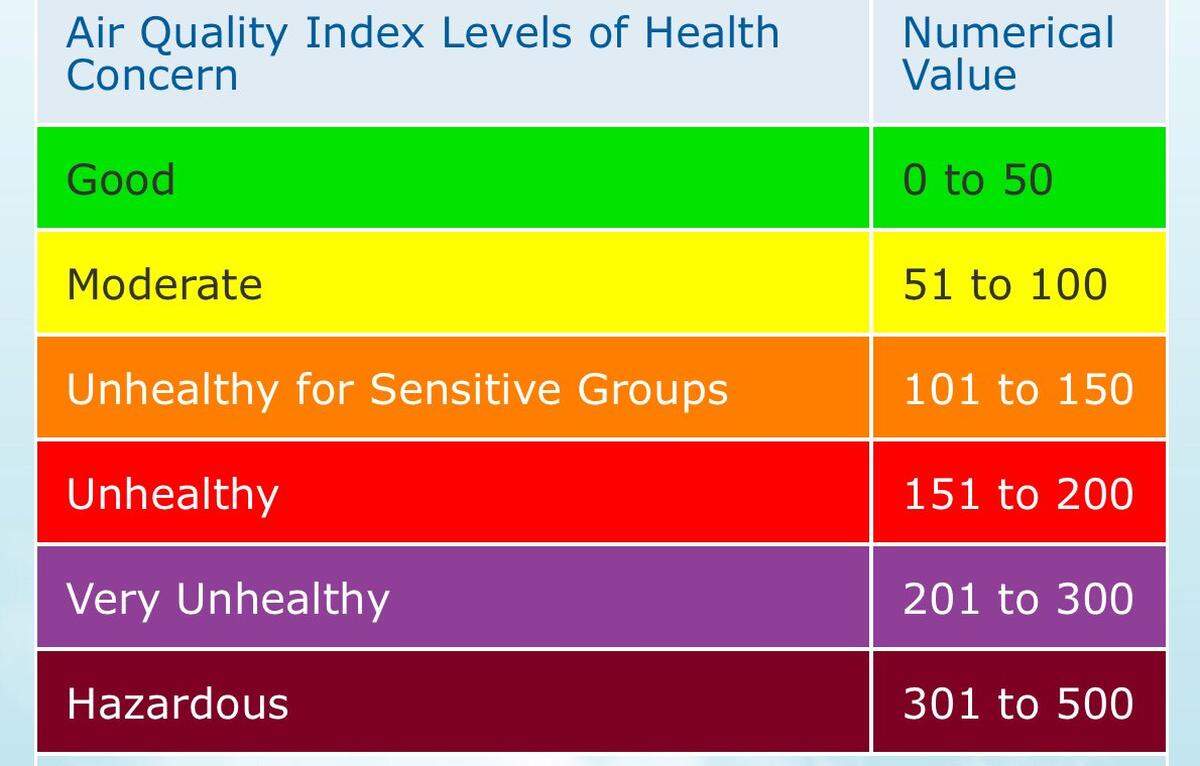
Here’s what the California Air Resources Board and California Department of Public Health recommend:
Air quality level 2 (yellow, unhealthy for sensitive groups): People with heart or lung disease who experience symptoms, such as repeated coughing, shortness of breath or difficulty breathing, wheezing, chest tightness or pain, palpitations, nausea, unusual fatigue or lightheadedness, should contact a healthcare provider. Sensitive groups should avoid physical exertion and limit time outdoors.
Air quality level 3 (red, unhealthy): In addition to above, everyone should keep doors and windows closed, avoid using exhaust fans, turn air conditioning on to recirculate mode, avoid indoor pollutants, including tobacco smoke, burning in a wood stove, frying or broiling foods, candles or incense and vacuuming.
Consider canceling outdoor events like competitive sports.
Air quality level 4 (purple, very unhealthy): In addition to above, everyone should avoid outdoor activity, stay in a “clean room” at home where there are no indoor smoke or particle sources and use an air filter.
Cancel outdoor events that involve activity. Consider canceling outdoor events that do not involve activity, such as concerts.
Air quality level 5 (dark red, hazardous): In addition to above, everyone should stay indoors and anyone experiencing symptoms should seek medical attention. Consider evacuating to a cleaner air shelter or leave the area if your home is not safe from particle pollution.
Consider closing schools. Cancel all outdoor events. Consider air quality in indoor workplaces and take measures to protect workers. Consider stopping outdoor work activities unless workers have respirators and clean air breaks.
This story was originally published October 4, 2021 at 8:10 PM.