
Here’s how rolling blackouts work in California as heat wave boils region
READ MORE
California Heat Wave
Click the arrow below for more coverage of the dangerous California heat wave.
Expand All
Those dealing with California’s heat wave might be hearing about rolling blackouts at a time when air conditioning and staying indoors is the most prescribed course of action.
What exactly is a rolling blackout?
Energy companies plan and coordinate rolling blackouts, which cut off power in specific areas to prevent larger shutdowns.
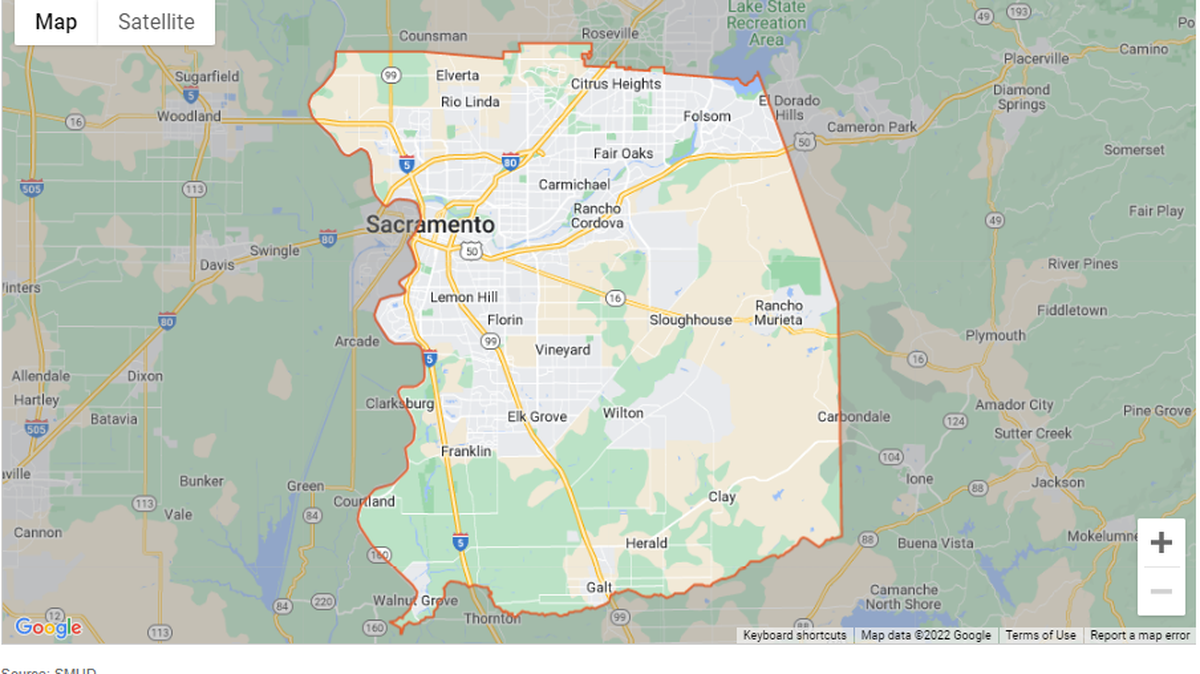
In California, the Independent System Operator or unaffiliated utilities, like Sacramento Municipal Utility District, declare rolling blackouts when demand is higher than the available energy supply. Utilities will announce rolling blackouts to maintain stability of the electric grid, according to the ISO.
The outages typically last one to two hours and are meant to direct energy in a way that keeps the grid in balance.
The California ISO and the state’s three main utility companies: Pacific Gas & Electric, Southern California Edison and San Diego Gas & Electric, or any combination of the three can produce a rolling blackout. Power is turned off by these utility companies to reduce the stress on the grid, managed by ISO.
Rolling blackouts prevent uncontrolled events like sweeping outages that could potentially shut down power to the region for days or weeks, according to California ISO.
ISO, which manages 80% of the state’s power grid, tells the electric companies how much energy to cut and those utilities direct which areas are affected.
Certain utilities, like SMUD and the Los Angeles Department of Water and Power, are not part of ISO and manage their parts of the grid. However, if demand is too high these utilities can institute rolling outages, too, in their service areas.
The grid, which covers most of the western United States, has to balance what power is available and the day’s demand for energy. The California ISO website tracks daily customer demands and grid capacity in megawatts.
Megan McFarland, a spokeswoman from PG&E, said the company has to receive alerts to “start dropping loads” from ISO in order to start doing rolling blackouts. She said ISO calls for rolling blackouts when Flex Alerts don’t get enough users to reduce the amount of energy needed keep the grid stable.
“We’ll see heat related damages to our equipment, and our own outages, but they aren’t rolling,” McFarland said.
According to ISO, here are some situations that can trigger a rolling blackout:
- Increased air conditioning use during a heatwave which drives up demands for electricity
- Unexpected power plant or transmission line outages caused by mechanical failure
- Wildfire
- Transmission line constraints
- Cloud cover reducing solar energy generation
- Lack of wind reducing wind energy generation
A rolling blackout is not a Public Safety Power Shutoff. PSPS are used by PG&E and other utilities to prevent electricity from sparking wildfires during critical weather events. Utilities typically plan these power shutoffs based on weather forecasts at least a day in advance.
How will I be notified of a rolling blackout?
Keep an eye out for alerts from your energy provider. California ISO will update Flex Alerts, asking consumers to conserve energy.
This story was originally published September 6, 2022 at 1:23 PM with the headline "Here’s how rolling blackouts work in California as heat wave boils region."
.JPG)
.jpg)

.JPG)