Two years after blackouts, heat wave exposes California’s continued vulnerability. Here’s why
.JPG "A view of the control room shows the power grid at the California Independent System Operator in Folsom in 2018.")
READ MORE
California Heat Wave
Click the arrow below for more coverage of the dangerous California heat wave.
Expand All
Two years after the last rolling blackouts, with an intense heat wave starting to blanket the West, California’s electricity grid remains extremely vulnerable to power outages.
The potential shortfall in power supplies is the result of climate-driven heat waves, drought-induced strains on hydro power and global supply-chain problems that are hindering the flow of new energy sources.
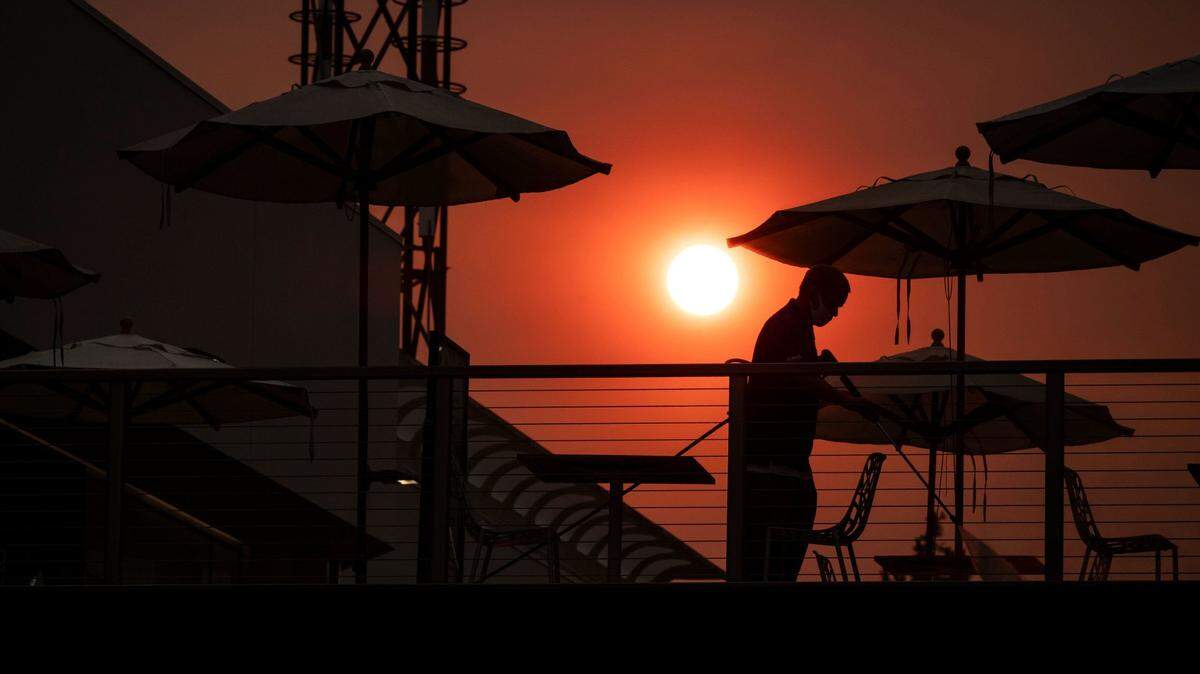
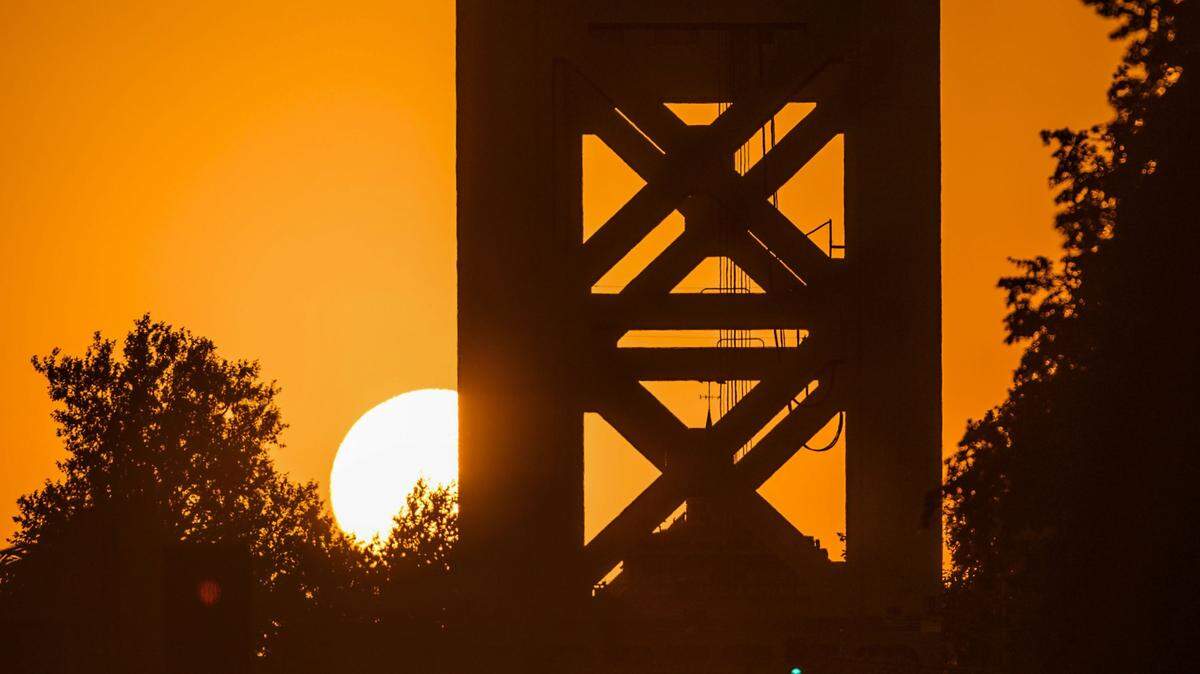
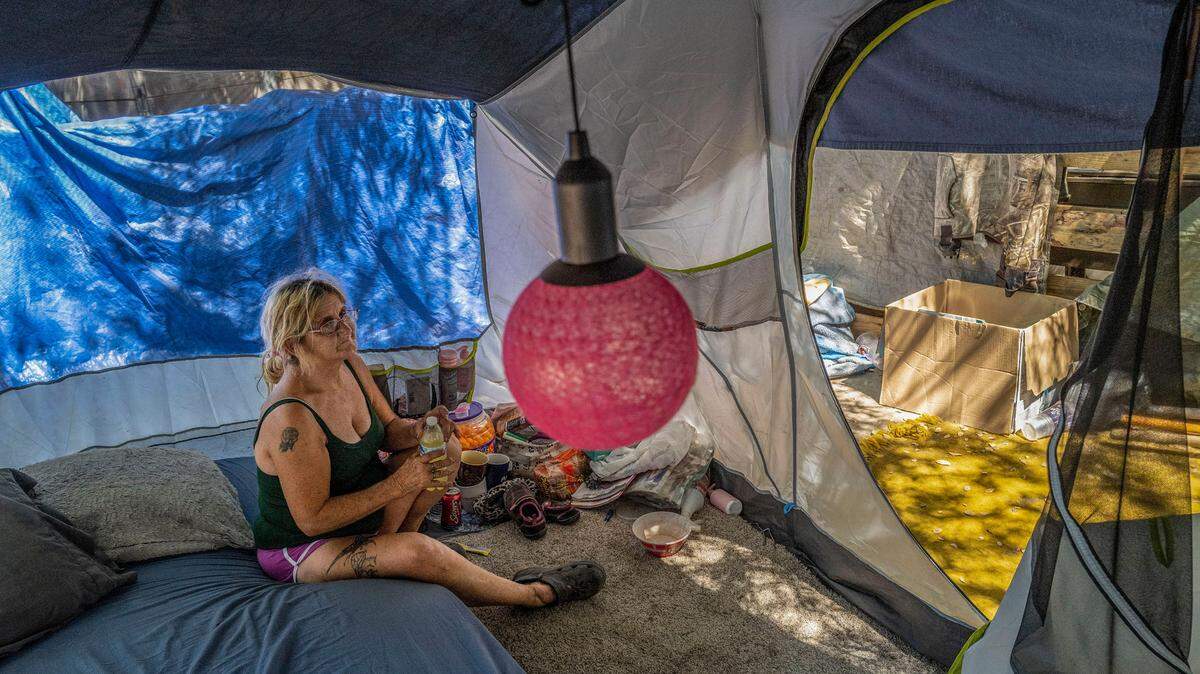
Temperatures were expected to hit the high 90s Wednesday and soar to as high as 115 degrees Monday in parts of the Sacramento Valley, sending state officials scrambling to avoid a repeat of the rolling blackouts of 2020.
The Independent System Operator, which runs the power grid, issued an “energy emergency alert watch notice” for Wednesday evening, a means of urging power generators to ramp up additional supplies. The grid operator “is forecasting an energy deficiency,” it said.
The ISO also issued Flex Alerts for Wednesday and Thursday afternoon and evening — a voluntary call for conservation. Additional alerts were almost certain to follow over the next several days. Residents were urged to turn thermostats up to 78, postpone charging their electric cars and delay using heavy appliances.
“We voluntarily ask you to do a little bit more to help us get through the next week or so,” Gov. Gavin Newsom said Wednesday afternoon. The heat wave “puts us in a position where we have some vulnerabilities.”
After California was hit with two nights of rolling blackouts in August 2020, Newsom demanded that the state line up enough backup power to ensure grid reliability. Further blackouts were narrowly avoided during a heat wave last summer, and earlier this year Newsom persuaded the Legislature to appropriate billions on a “strategic electricity reliability reserve,” including investments to encourage the development of battery storage facilities and more power plants.
Some progress has been made already. The Independent System Operator says California has added 8,039 megawatts of capacity since January 2021 — enough juice for about 6 million households.
But the state is still struggling to keep up, and the emergence of mammoth heat waves driven by climate change is making the problem worse. “All of us are observing the worsening patterns of heat and drought and wildfire around the world,” said Karen Douglas, Gov. Gavin Newsom’s energy advisor, during a legislative hearing last week.
Supply chain woes aren’t helping, either. Rick Brown of Terra Verde Energy LLC, a power-storage consulting firm, said demand for large storage batteries has soared because of the popularity of electric vehicles — meaning there are fewer batteries available for schools and other institutions that want to install them.
“Our company was supposed to have a bunch of batteries delivered in the first quarter,” Brown said. “We think we’re close to getting them delivered in the fourth quarter.”
When risk of blackouts is worst in California
Part of the problem is drought — the one afflicting parts of China. Hydro power supplies have been depleted, forcing the world’s major storage battery manufacturers to scale back production.
Storage is considered a crucial piece of California’s transition to an all-renewable energy grid by 2045, as mandated by the Legislature. The grid is particularly vulnerable in late afternoons and early evenings, when solar power fades but it’s still hot enough that people have their air conditioners humming.
Storage batteries, using leftover power generated during the day, could help bridge the gap during those critical hours. But the state isn’t getting as much storage — or other additions to the grid — as it was expecting.
Newsom’s advisor Douglas told a legislative committee last week that the state was counting on getting another 4,000 megawatts worth of capacity this summer, from storage and other sources.
“Based on that outlook, we had a lot of optimism that ... we would have plenty of resources going into the summer,” she told the Assembly Utilities and Energy Committee.
Instead, only 2,500 megawatts of new capacity has arrived, she said, putting unforeseen stress on the grid.
Another big factor is California’s own drought, which is curtailing the state’s hydro production.
In a good year, hydro power can generate 15% of California’s electricity. Last year it fell below 10% and one of the state’s largest hydro plants, at Oroville Dam, had to temporarily shut down for the first time since it opened in 1968.
The heat wave arrived as the Legislature was expected to begin deliberating Newsom’s most controversial energy plan of all — his proposal to loan PG&E Corp. up to $1.4 billion to postpone the scheduled 2025 retirement of the Diablo Canyon nuclear plant.
Environmental groups such as Friends of the Earth have blasted Newsom over his plan, saying the state’s last nuclear plant must be mothballed. But Newsom’s administration said the plant provides reliable carbon-free power — and losing it will make the state even more susceptible to blackouts.
On Tuesday the head of the Independent System Operator, Elliot Mainzer, endorsed SB 846, which would provide the loan money to PG&E, saying the plant “plays such an instrumental role” in keeping the lights on.
“That energy does not produce greenhouse gases,” Newsom said Wednesday.
This story was originally published August 31, 2022 at 1:26 PM with the headline "Two years after blackouts, heat wave exposes California’s continued vulnerability. Here’s why."
.JPG)
.jpg)