
Proposal to limit raising roosters is culturally deaf. Here’s why | Opinion
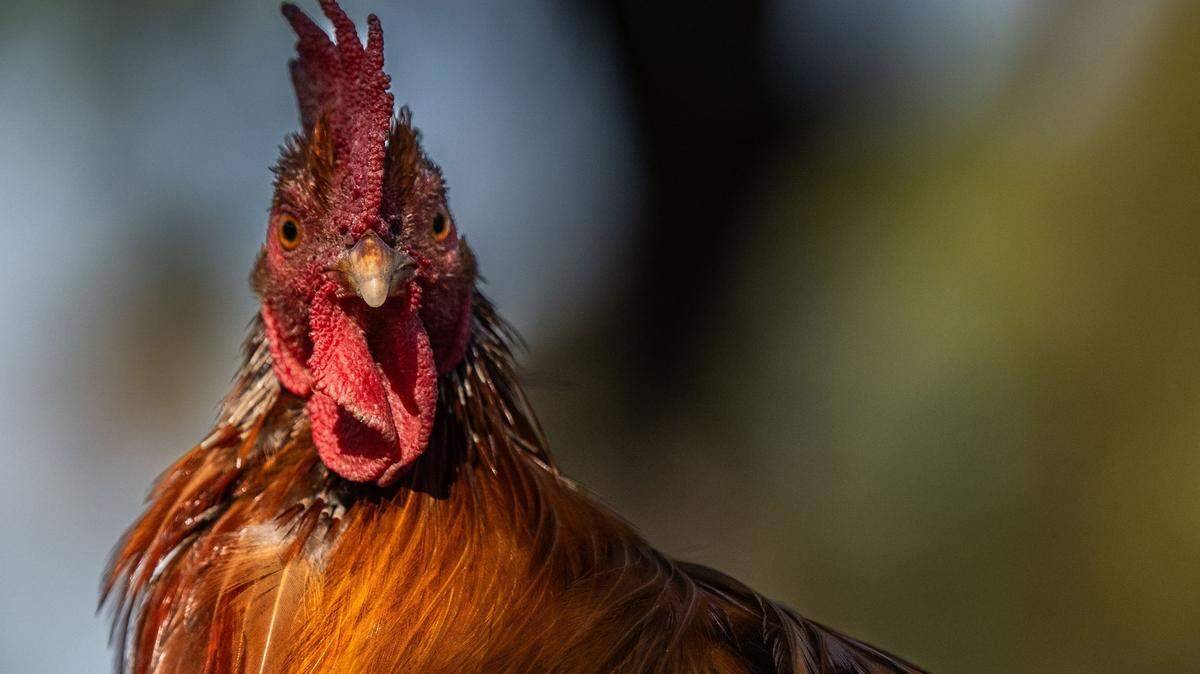
Too often, Sacramento legislators hurry through the lawmaking process before considering the ramifications of their ideas, and whether those ideas have unintended consequences. Assembly Bill 928 is the latest example of sloppy lawmaking.
The bill, authored by Assemblymember Chris Rogers, D-Santa Rosa, would prohibit a person from keeping or raising more than three roosters per acre, or 25 roosters total on any property. It is more than just flawed policy — it’s an attack on cultural and spiritual traditions of thousands of Californians.
AB 928’s restrictions effectively criminalize a foundational element of Hmong spiritual practice. That’s not just insensitive — it may be unconstitutional.
California is home to the largest Hmong population in the country, with around 35,000 Hmong residents in Fresno alone. By passing AB 928, the state would be telling these families that their beliefs are not valid, their customs are not welcome and their way of life is subject to arbitrary limitations.
Framed as an animal welfare measure, the bill tramples on deeply rooted agricultural and religious practices of many Latino, Filipino and Southeast Asian communities. In doing so, it disrespects heritage, threatens family customs and crosses a dangerous line into the erosion of religious freedom.
In Hmong culture, for example, roosters are not just livestock — they are spiritual protectors. A healthy, well-kept rooster that is free of defects is believed to watch over the home and its family members. To ensure this spiritual role is fulfilled, the bird must be protected from injury and kept in an enclosure.
AB 928 would prohibit Hmong families from keeping more than 25 such birds in this way, regardless of their religious or cultural significance. That is entirely in conflict with Hmong community traditions. As part of the postpartum treatment, the mother (Niam) will be on a strict, 30-day diet to recover from labor. The diet includes poultry, prepared by boiling it with herbs, every day. The tender meat and broth help cleanse and restore the body.
Roosters are tied to spiritual connection, communication with ancestors and significant life events. They’re deeply ingrained in an array of our religious practices. The rooster symbolizes a strong animal that was crowned with his comb to crow and wake the sun up spiritually and physically within our daily lives.
They are spiritual intermediaries, messengers to the spirit world. During rituals, they can symbolically carry the soul or message of a person to the ancestors or spiritual realms. The rooster’s crowing is a powerful sound that can ward off evil spirits or alert spiritual forces.
They are critical components of the Hu Plig (soul-calling ceremony), and roosters are sometimes used to retrieve a lost soul or restore spiritual balance. At times, this includes a rooster being held over a person while shamans perform prayers and chants to call the soul back. At Hmong funerals, a rooster is often tied near the deceased or used in rituals to guide the soul safely to the afterlife. Its crowing is thought to awaken the spirit of the deceased or direct it toward the ancestral realm.
Roosters also matter for cultural symbolism. Roosters are admired for their alertness and protective nature, making them symbols of watchfulness and courage. They are associated with fertility, abundance, and good fortune in agriculture and family life.
For many young members of 4-H and FFA, roosters are an agricultural gateway. Their beautiful plumage attracts kids and makes them to want to learn about the cultural roles of roosters.
Advocates of AB 928 say it targets cockfighting, but its real-world outcome is to intrude on our culture. And it does so without meaningful engagement or input from the communities it harms most. We implore lawmakers to think through the unintended consequences of their policies before it’s too late.
AB 928 disrespects California’s diversity and ignores the voices of those it affects most. It must be rejected — not only for what it does to farmers, but for what it takes away from families, traditions and faith.

This story was originally published June 25, 2025 at 3:14 PM.