New legislation won’t help California farmers deliver food at affordable prices | Opinion
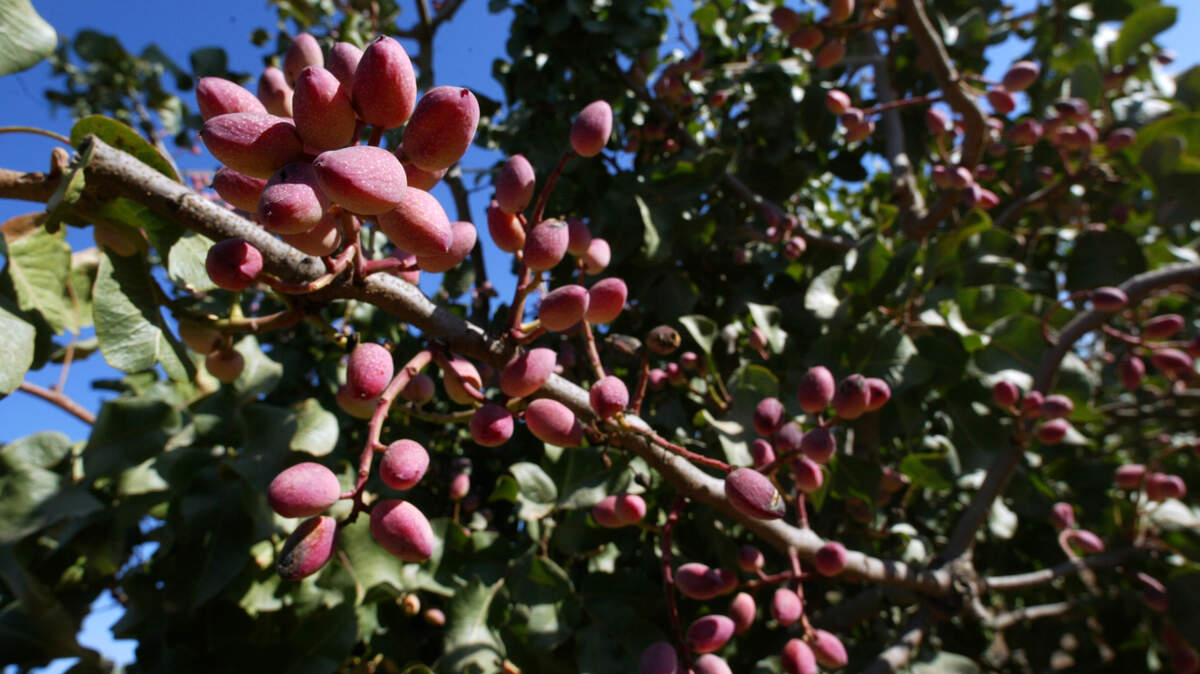
California’s farmers feed the world. From grapes, dairy and nuts in the Central Valley to leafy greens on the Central Coast, our state’s growers and ranchers are committed to delivering safe, high-quality, affordable food every single day.
California’s agricultural producers range from family farms to farmer-owned businesses and globally recognized brands, but what unites us all is a deep commitment to producing nutritious food responsibly. Unfortunately, farmers are keenly aware that our ability to keep that commitment is too often hampered by policymakers who do not understand the challenges we face.
Assembly Bill 1264, authored by Assemblymember Jesse Gabriel, D-Encino, is a perfect example. The legislation attempts to define and restrict so-called “ultra-processed foods,” but does so using an arbitrary and overly broad definition that has little basis in nutrition science or agriculture. Under this proposal, even common and healthy items — like low-fat yogurt, roasted nuts or citrus fruits with natural wax coating — could be unfairly targeted.
California farmers already operate under some of the strictest environmental, labor and food safety regulations in the country. All while paying some of the highest prices for nearly every input.
As a result, grocery prices in California have risen 28% in the last five years, and a typical family here pays 34% more for food than the same family in Wisconsin. California farmers innovate constantly to compete in a global marketplace. What they don’t need is another regulatory burden based on social media influencers pushing the latest food fad, not science.
California has well-established food safety authorities, including the California Department of Public Health, which already reviews and monitors ingredients under federal and state law. AB 1264 would create a duplicative program under the Office of Environmental Health Hazard Assessment, which lacks relevant food safety expertise.
Worse, it opens the door to frivolous lawsuits similar to those filed under Proposition 65 — lawsuits that have historically enriched attorneys, not protected consumers. But all the costs that these bad ideas incur will eventually impact the bottom line for farmers.
The impact won’t stop at the farm gate: AB 1264 will ripple across the entire food chain, making it harder and more expensive for consumers to access everyday groceries. California families are already grappling with skyrocketing food prices (the average California household now spends over $1,200 per month on groceries, and nearly one in five Californians is food insecure).
And while the bill’s authors say their goal is to improve public health, AB 1264 also puts additional pressure on institutions that depend on accessible, affordable food, like our public schools. School meal programs could be forced to navigate confusing restrictions on staple ingredients without any new funding or flexibility. That means more paperwork, higher costs and fewer food choices for the very students who rely on these meals most. School meal programs and food banks are important partners with farmers.
But with government cuts to programs that get California-grown products to our neighbors who need help, the additional burdens of AB 1264 couldn’t come at a worse time. California’s agriculture community supports healthier diets. We grow the fruits, vegetables, grains and dairy that form the foundation of them. But restricting arbitrary ingredients doesn’t make food healthier, it just makes it harder to produce, harder to serve and more expensive to buy.
If California wants to lead on health, sustainability and equity, it must do so by working with the farmers who power our food system — not by sidelining them with unnecessary mandates.
We urge lawmakers to reject AB 1264 and return to the table with real solutions informed by affordability, nutrition and science.