The smart case for maintaining Medi-Cal coverage for anti-obesity drugs | Opinion
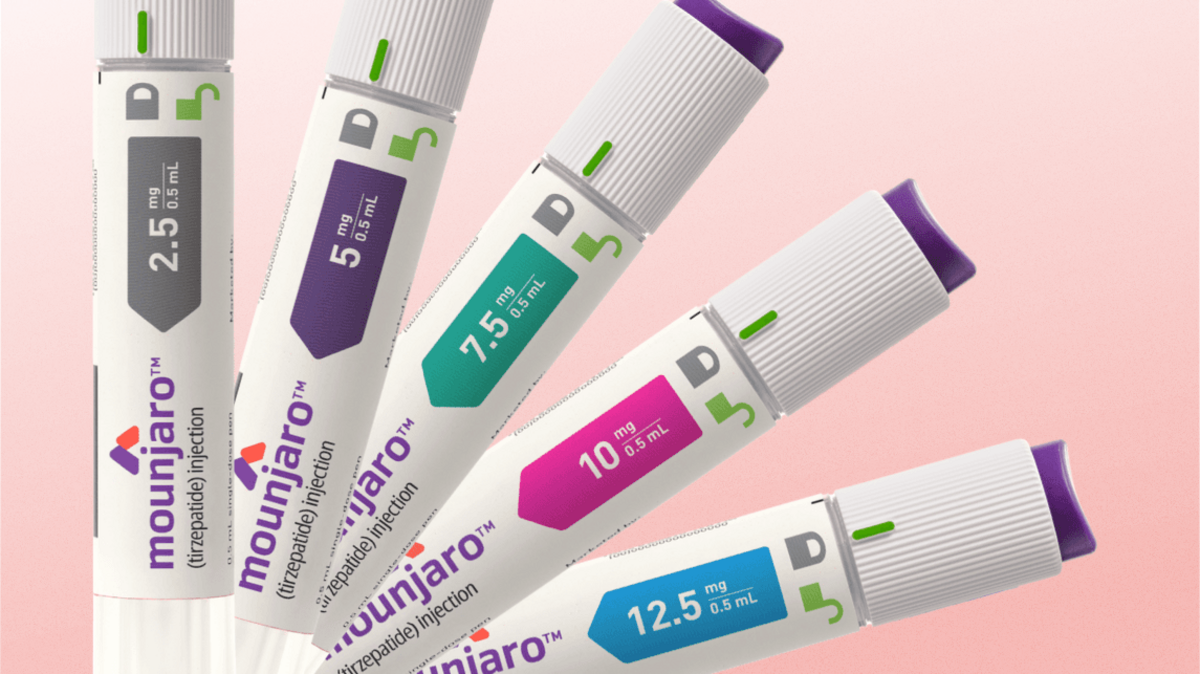
Gov. Gavin Newsom’s proposal to eliminate Medi-Cal coverage for effective, Food and Drug Administration-approved weight loss drugs for low-income and disabled adults belies the state’s commitment to “make better health care available to all Californians.”
This is especially important now, as obesity affects nearly one in three adults in California, and the state has the highest total of obesity-related medical costs in the nation.
GLP-1 receptor agonists, commonly known as weight loss drugs, mirror a naturally occurring hormone to control blood sugar and appetite, resulting in weight reduction. These medications have demonstrated notable success in assisting individuals in achieving significant weight loss, offering a solution for those struggling with obesity and associated health complications.
This problem is bigger than California’s budget. Even though obesity is the nation’s most common and costly chronic disease, it is discounted as a serious health issue by many policymakers, leaving many undiagnosed and undertreated.
This is why the National Consumers League joined forces with leading obesity specialists to develop and issue the first Obesity Bill of Rights for the nation in January 2024. The Obesity Bill of Rights established eight essential rights for all adults, including coverage for the full range of treatment options so that Americans who struggle with obesity get proper care specified in medical guidelines.
Today, the state pays nearly three times more than any other state, with an average medical cost of $5,812 for each adult with obesity. This is a staggering figure, especially considering that untreated obesity worsens the outcomes of over 230 other chronic diseases. The annual cost of untreated obesity in California amounts to $89.5 billion, covering medical expenditures and productivity losses from missed work, reduced efficiency and premature deaths — a total cost that represents 2.5% of the state’s gross domestic product.
Covering anti-obesity medications through Medi-Cal can yield significant savings for the state. A study conducted by Global Data indicates that treatments achieving a weight loss of 5% to 25% could save California up to $77.9 billion in healthcare costs over the next decade. Adults with obesity face an average of $2,800 more in annual medical expenses compared to those without obesity, with Medicaid beneficiaries disproportionately affected.
Improving the health of Californians by addressing obesity is more than just a financial issue, it is a public health necessity. There is substantial evidence showing that even modest weight loss can significantly reduce the amount of “bad” cholesterol in the blood. While significant weight loss yields greater benefits, such as cardiovascular disease improvement, the reduction of gastroesophageal reflux disease and type 2 diabetes remission.
Additionally, providing coverage for anti-obesity medications through Medi-Cal is crucial in preventing Californians from choosing potentially dangerous fake, counterfeit or alternative medications not approved by the FDA that could lead to serious health consequences.
While some difficult decisions must be made, the governor’s latest budget proposal will cost the state more in the long run, contributing to higher medical expenditures while posing immediate risks to the health of California’s most vulnerable. It is a price tag that is much too high.
Newsom must reconsider this proposal and reaffirm California’s role as a leader in equitable, evidence-based health care.