
Recent deaths of women in Fresno, Clovis reflect ongoing domestic violence crisis
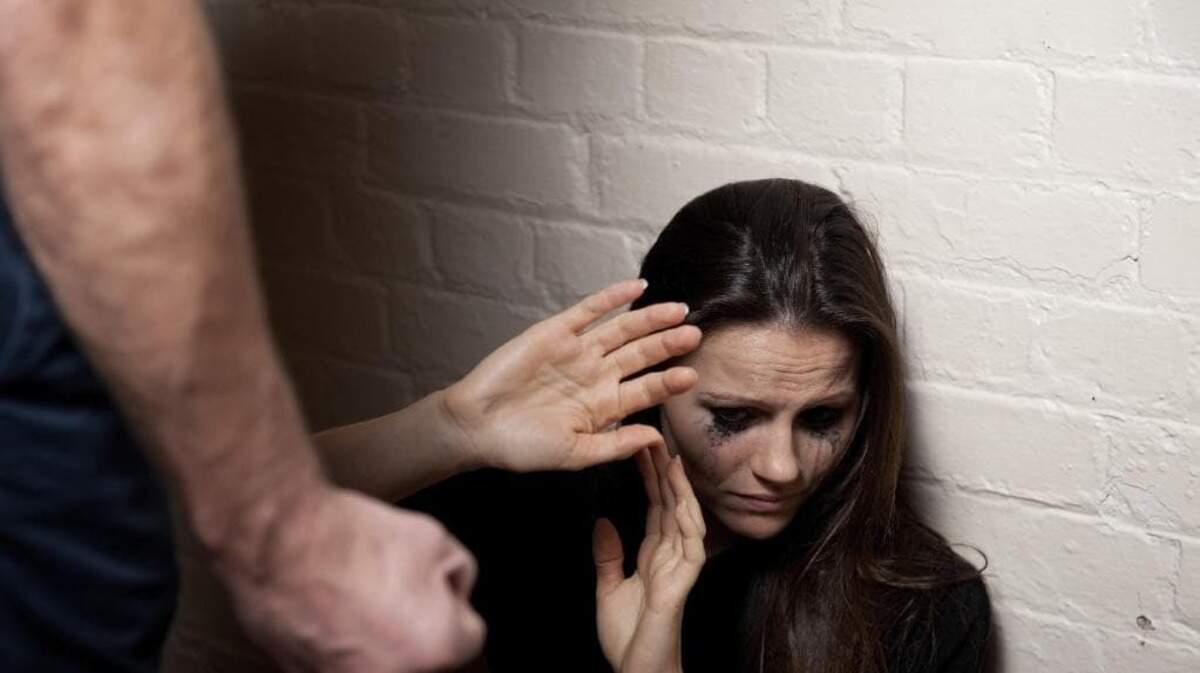
The patient came to the hospital emergency department with the fresh memory of her partner attempting to strangle her. At first, though, she spoke only of pain in her abdomen. Tests revealed no obvious problems. But we never doubted her pain was real. We know the complex link between mind and body, and we also know that people need to feel respected and cared for before they’ll speak about domestic violence. As emergency department physicians at Community Regional Medical Center, we strive to provide that space.
We’ve seen cases of domestic violence — some people call it “intimate partner violence” — increase dramatically in recent months. Sadly, horrific evidence of this trend has come in October – as the Marjaree Mason Center has led the community in observing Domestic Violence Awareness Month.
Just weeks ago, a man on parole for domestic violence was arrested on murder charges after a woman’s body was discovered at a Fresno motel. A few days later, the estranged husband of a Clovis teacher allegedly shot her to death and then killed himself.
Nationally, people have been riveted by the story of Gabby Petito, the 22-year-old Florida woman who set off on a cross-country journey with her boyfriend and was found dead in a Wyoming forest. A coroner ruled she died by strangulation.
Most cases of domestic violence aren’t public, and it can happen to anyone. When the violence lurks in the shadows of people’s lives, it’s our responsibility to look for signs and ask questions. The bruise covered with makeup. An explanation for an injury that collapses under the weight of lies. The answer when we ask: “Do you feel safe at home?”
That question also is important for the children who come with a parent to the emergency department. In some cases, we admit children to the hospital for their safety. They aren’t sick. We just need time to determine if they face a life-threatening situation at home, where the imprint of domestic violence can scar them forever. We know that children who witness domestic violence are at greater risk of becoming abusers themselves, or of engaging with the criminal justice system.
Complicating our ability to help in real time is another fact: the person who caused the bodily harm may be with the patient. It’s in such instances that the teamwork of the emergency department’s staff is invaluable. A nurse, or social worker, or medical resident, will lead the abuser away on a pretense — creating a safe space for the abused person to tell their story.
Also invaluable is our strong partnership with the Marjaree Mason Center, Fresno County’s only dedicated provider of domestic violence shelter and support services. We give patients the center’s 24/7 hotline number: (559) 233-HELP (4357). We also can coordinate their leaving the emergency department for the center’s shelter housing. Some people, though, are not ready to take that step, as happened with the woman whose partner tried to strangle her.
She eventually confided to a doctor about the attempted strangulation days before, and that her partner had abused her in other ways in the past. Even as she spoke, he was calling her cell phone to ask when she’d be home. In the end, she went back to the abusive partner.
In all cases, we must respect the wishes of our patients. We believe it’s a basic human right to be safe. But we can’t force people to do what they aren’t ready to do. We worry about patients like this woman long after they leave the hospital.
But we take solace in this: While we can’t control outcomes, we can bring hope to people in abusive relationships by providing sensitive care in the hospital and information about the Marjaree Mason Center. So if – and when – they’re ready, they know where to turn.