Bill to prevent CEMEX blast mine on San Joaquin River gets short shrift | Opinion
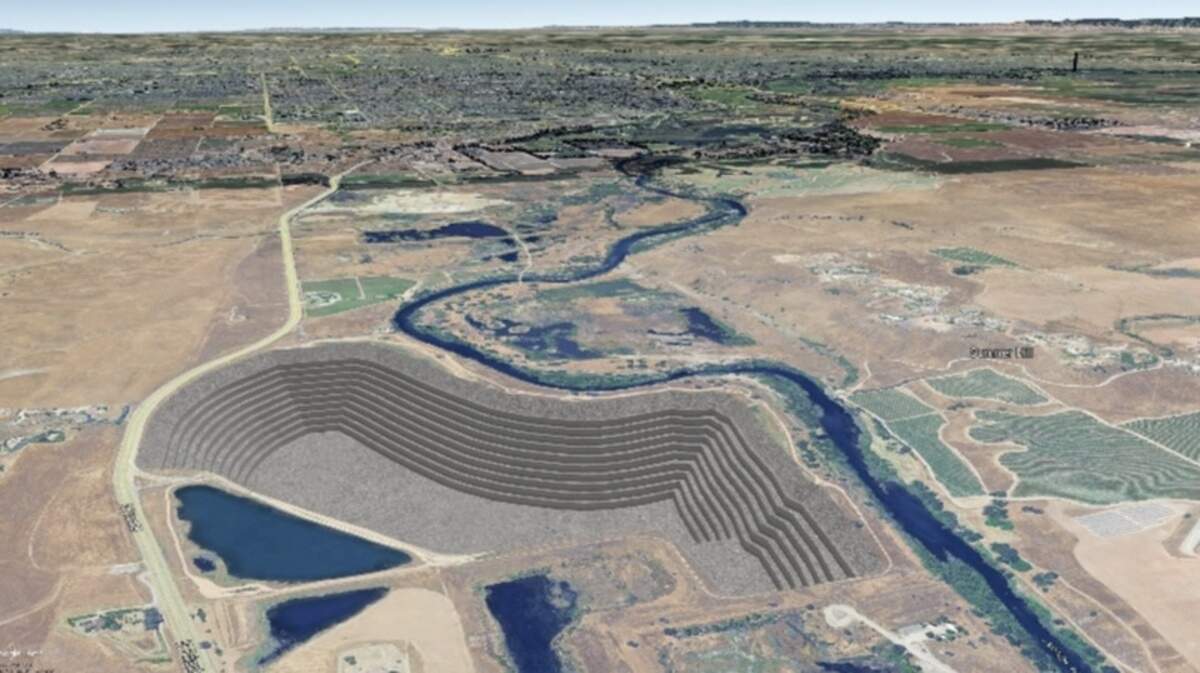
If the San Joaquin River is to be protected from further harm at the hands of a multinational mining company with a history of environmental violations, help won’t be arriving from the state capitol.
A bill authored by Assemblymember Joaquin Arambula (D-Fresno) aimed at squelching CEMEX’s controversial blast mine failed to advance from its first committee hearing Monday afternoon in Sacramento. Only one member of the Assembly Natural Resources Committee voted “aye” on AB 1425 compared to 13 “noes” and no votes, killing the bill for this legislative session.
That does not mean CEMEX gets the green light to start drilling and blasting 200 feet away from the river 3 miles outside the Fresno city limits. Goodness no. It simply means the process for potential approval will continue as prescribed by the California Environmental Quality Act.
Arambula’s bill sought to prohibit the pumped removal of seepage water from open pit mines (known as “dewatering”) within the 22-mile San Joaquin River Parkway between Friant Dam and Highway 99 “in areas with subsurface river flow or groundwater levels shallower than 50 feet below ground.”
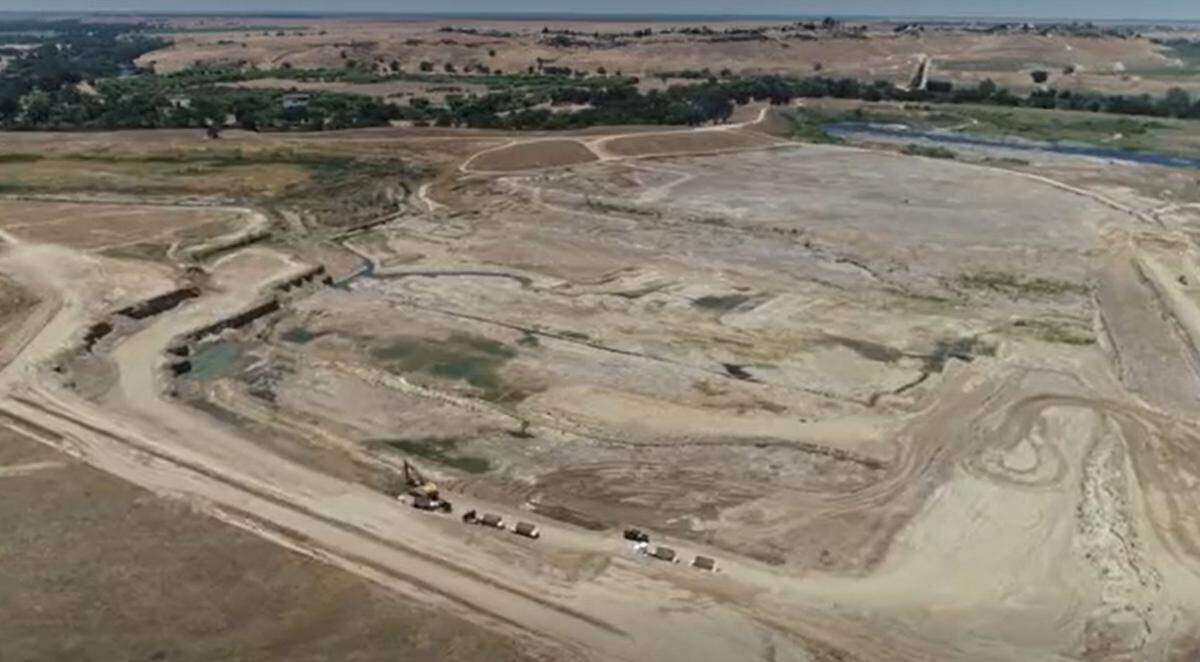
Such a law would have prevented CEMEX Construction Materials Pacific LLC from operating an open pit mine that could extend 600 feet deep at its Rockfield Quarry Site located along Friant Road – and likely forced a closure of the company’s existing operations at the end of 2026.
During his presentation, Arambula argued that the Draft Environmental Impact Report authored by Fresno County planners and CEMEX’s consultants failed to address the extreme risk of groundwater contamination, river contamination, flood risk and overdraft on the San Joaquin River as well as increased flows mandated by the salmon restoration settlement.
“While CEQA is an incredibly powerful tool for protecting the environment, its effectiveness hinges on appropriate implementation by responsible agencies,” Arambula said. “In this case the fatal flaws identified in the permitting process, the DEIR evaluation by public agencies, make it clear that the lead agency would be unable to make a decision that truly protects the San Joaquin River and its surrounding communities.”
Also speaking on behalf of AB 1425 were Sharon Weaver, executive director of the San Joaquin River Parkway and Conservation Trust, and Roman Raintree, a Fresno resident and member of the Dunlap Band of Mono Indians. They were supported by 15 community members who made the three-hour drive.
An even larger contingent of CEMEX employees and consultants, plus representatives of construction unions and trade groups turned out to oppose. The company employs roughly 90 people in the Fresno area including 60 union workers.
CEQA side-stepping concerns
Arambula’s bill did not receive nearly the same favorable reception from the Natural Resources Committee as it did from more than 200 people who turned out Thursday evening for a town hall hosted by the Parkway Trust.
Committee members, including several of Arambula’s fellow Democrats, didn’t appear swayed by either side. Rather, they were focused on the potential implications of his bill “side-stepping” state environmental laws.
“If there are concerns with (CEQA) or inadequacies, isn’t the process itself the way to resolve those including if need be legal intervention?” asked Assemblymember Damon Connolly (D-San Rafael). “I’m very concerned about the precedent if you don’t like how the CEQA process is playing out, then circumvent it. That opens up the door to a lot of issues.”
River advocates say their effort to stop the CEMEX blast mine will continue, though it’s uncertain when the proposal will next come up for public air.
The county received more than 600 comments to the DEIR, including detailed responses from government agencies and local groundwater management districts that could take years to resolve.
In a statement, Arambula said he was “greatly disappointed” by the committee’s rejection of his bill despite strong community support from residents concerned about the health of the river and the future of the parkway.
“The importance of the San Joaquin River cannot be overstated. … We should all commit to continuing to fight to preserve the waterway for generations to come and to find a viable option that protects the river and the people who depend upon it,” Arambula said.
Monday’s hearing made clear this fight will take place in Fresno County as opposed to Sacramento.