
How today’s Low Carbon Fuel Standard punishes working Californians | Opinion
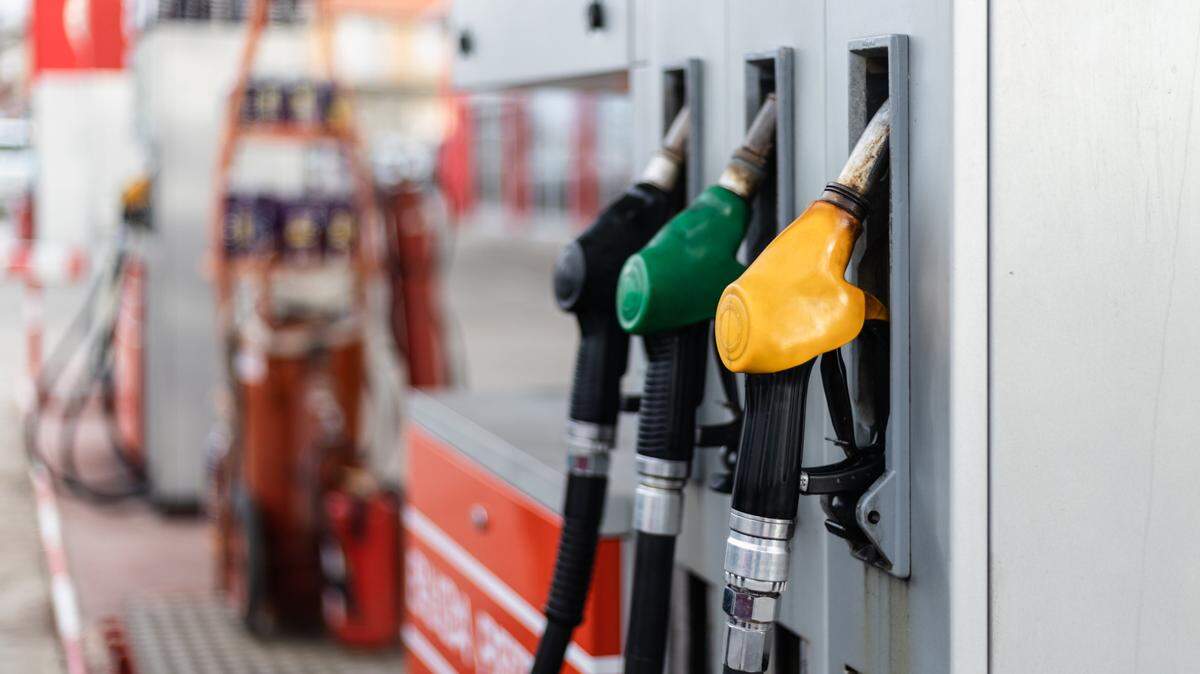
California is rapidly approaching a full-scale energy affordability crisis, and the state’s regulatory framework is accelerating that trajectory. Among the most impactful policies contributing to this challenge is the California Air Resources Board’s (CARB) Low Carbon Fuel Standard. Although originally conceived as a market-based tool to reduce transportation sector emissions, the fuel standard has become an opaque, inflationary mechanism with increasingly regressive effects on California’s economy and its most vulnerable communities.
CARB continues to present the Low Carbon Fuel Standard as a key climate initiative, yet there has been minimal public disclosure on the program’s escalating costs. Currently, the fuel standard accounts for approximately 10-12 cents per gallon of gasoline. Independent forecasts suggest that this figure could rise to as much as 85 cents per gallon by 2030 and continue increasing year over year. Despite the clear financial implications, CARB has declined to publish updated cost analyses since releasing its Standardized Regulatory Impact Assessment in September of 2023.
The way this standard works, CARB sets a target for how clean California fuel should be. The lower the carbon intensity of a fuel, the cleaner it is. Fuel producers that don’t meet the target have to buy credits from producers who have met the mark and then some. It’s vital to estimate how much these credits will likely cost to understand the pocketbook impacts of setting cleaner and cleaner targets.
The assessment projected that the Low Carbon Fuel Standard would increase gasoline prices by 12 cents per gallon in 2024, with a projected rise to $1.83 by 2041. This would represent a 1,425% increase over less than two decades. The fuel standard is expected to increase prices for diesel and jet fuel as well, accounting for 59 cents per gallon for diesel fuel and 44 cents per gallon for jet fuel in 2025. After these projections generated widespread concern, CARB quickly distanced itself from its own findings and has since withheld further economic disclosures from the public.
Amendments made in 2024 to the standard are responsible for these drastic price escalations, introducing a new layer of extreme regulatory measures. According to CARB, by early 2023, over 50% of petroleum diesel was replaced by renewables because of the Low Carbon Fuel Standard. Renewable diesel played a pivotal role in displacing petroleum-based diesel and delivers emissions reductions of up to 80% compared to its fossil fuel counterpart. Between 2019 and 2023, Low Carbon Fuel Standard credit prices dropped from roughly $185 to $75 per ton, cutting into the profits of credit-generating companies.
CARB’s response was to revise the program in ways designed to reverse this trend. What began as a cost-effective climate strategy has now morphed into a regressive policy that shifts wealth upward under the guise of environmental progress.
Rising fuel costs do not exist in a vacuum. Energy prices directly affect the cost of producing, transporting and delivering goods and services. As fuel prices rise, so do the costs of groceries, building materials, transportation and medicine.
California is also facing structural threats to its fuel supply chain. Several refineries have shut down or exited the state entirely, citing increasingly burdensome regulations that make continued operations economically nonviable. Today, approximately 75% of California’s crude oil supply is imported.
The cumulative effect of these policies is severe: California’s transportation, housing and commercial sectors are being pushed toward unsustainable cost levels; supply chain costs are rising; housing developments are stalling; and the cost of basic goods is climbing. While high-income households may be able to absorb these increases or shift to alternatives, most Californians do not have that luxury.
A smarter energy strategy includes all available technologies: traditional fuels, renewable fuels, electric vehicles and hydrogen. Californians deserve choice, flexibility and a path forward that meets environmental goals without sacrificing economic resilience. CARB’s refusal to moderate its approach has revealed a troubling indifference to the real-world consequences of its policies.
The Low Carbon Fuel Standard was once an effective tool for reducing emissions without overburdening consumers. Instead of adding costly new mandates, California should focus on practical reforms: eliminate the outdated summer fuel blend, reassess the state’s unique fuel formula that limits supply and cut back regulations that discourage in-state production.
California has the nation’s most rigorous environmental and labor standards and we should be encouraging fuel production here, where it’s cleaner and supports skilled jobs, rather than relying on imports that increase emissions and raise costs. Supporting local production and critical infrastructure will improve affordability, strengthen energy reliability and keep California on track with its climate goals without undermining economic stability.
This story was originally published July 3, 2025 at 5:00 AM with the headline "How today’s Low Carbon Fuel Standard punishes working Californians | Opinion."