
Why California recently revised its clean air regulations for zero-emission trucks | Opinion
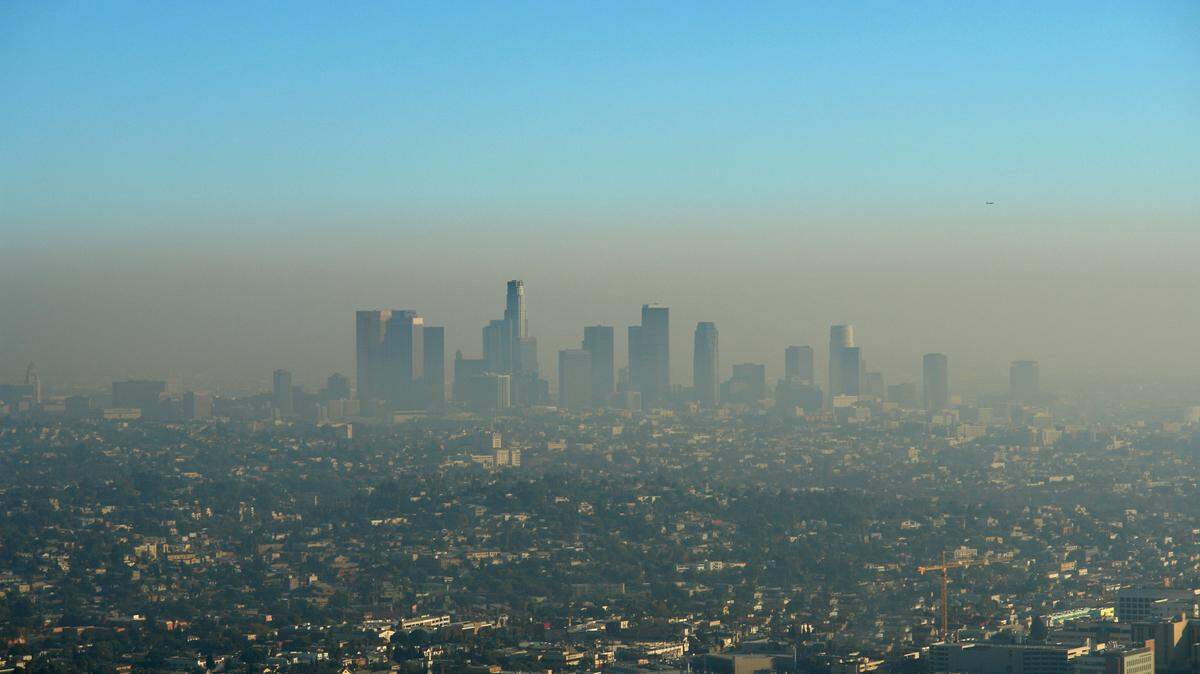
California’s great experiment to clean the air took a stumble last week.
The California Air Resources Board, which I am a member of, is the state’s regulatory pit bull on matters of pollution. The board quietly agreed to roll back parts of its Advanced Clean Fleets rule, a regulation that would have forced thousands of trucking companies to swap diesel rigs for electric or hydrogen-powered trucks starting this year.
Some critics, especially in Washington, are already crowing that California’s clean energy dream has collapsed under the weight of its own ambition. They say this repeal proves the folly of trying to steer the world from Sacramento. They call it overreach. They call it defeat.
They’re wrong.
What happened wasn’t a failure of vision. It was a reminder of a stubborn truth: If we don’t bring affordability into the fight for clean air and climate justice, we’ll lose the working families who can’t afford the price of admission.
California’s commitment to a zero-emission future remains unshaken. But the road to get there can’t be paved only by the wealthy and the well-connected. If we want truckers, farmers and warehouse workers — the backbone of California’s economy — to join the clean energy revolution, we must meet them where they are.
That means taking a hard look at what’s possible today and adjusting the course without losing the destination.
The repeal was necessary because federal politics changed. The new White House made it clear that it would block California’s request for the special permission it needed to enforce the truck rules. Without federal approval, the regulation would have been a legal zombie: dead on its feet, but still scaring the living.
Truckers and small fleet owners faced crushing uncertainty about their futures. It was better for the California Air Resources Board to face the music now than to pretend the orchestra was still playing.
But there’s a deeper lesson here: In every small town that straddles Highway 99 and in every industrial corridor choking on diesel soot, Californians know that clean air is not some boutique concern for Tesla drivers on the west side. It’s a matter of life and death. It’s asthma inhalers clutched by 5-year-olds. It’s heart attacks before 50. It’s warehouse workers getting a lungful before they get their paycheck.
Yet, if we tell those communities that the cost of survival is buying a $400,000 electric semi with no guarantee of a charger at the other end of the route — and if we leave the price tag on the table without offering a way to pay — we will lose them. And if we lose them, we lose the battle altogether.
This repeal doesn’t mean California’s backing down. It means California’s wising up. We need cleaner trucks. We need fewer diesel deaths. But we also need a plan that builds bridges for the people who actually move the goods that feed our state.
That means grants for zero-emission trucks that small operators can actually win. It means highways and freight yards wired for charging, not just in Silicon Valley but in the Central Valley and Inland Empire, too. It means policies that don’t pit clean air against a working family’s ability to put food on the table.
The worst thing we could do right now is let the political opportunists turn this into a culture war. This isn’t about elites versus truckers. It’s about all Californians demanding a cleaner, more affordable future — and refusing to be told we can’t have both.
The air belongs to all of us. The future belongs to all of us. And if we get this right, the road ahead won’t be just cleaner, it will be more fair.
California has always been the place where big ideas crash into hard realities, and where — sometimes bruised, sometimes humbled — we still find a way forward. This moment is no different.
If we hold onto the vision but fix the approach, if we put affordability at the center of the clean-air fight, we can still lead the nation. Not with mandates handed down from on high, but with a movement built from the ground up — where clean air and economic survival aren’t enemies, but partners.
The dream is still alive. We just have to build it a sturdier road.
This story was originally published May 6, 2025 at 5:00 AM with the headline "Why California recently revised its clean air regulations for zero-emission trucks | Opinion."