Could $1M help Fresno’s animal crisis? That would triple city spending on strays
City officials want to more aggressively tackle Fresno’s chronic animal overpopulation problem by increasing the budget for spay and neuter services by nearly three times the originally proposed amount.
On Wednesday, Councilmember Annalisa Perea made a motion to allocate $1 million in the city’s fiscal year 2027 budget for spay and neuter services. The motion, seconded by Councilmember Mike Karbassi, is contingent upon a $500,000 matching grant from an animal rescue nonprofit.
“Our overpopulation problem, I equate it to the snowball effect, where the more time that goes on, it just keeps getting bigger and bigger and bigger,” Perea said during a Tuesday Fresno City Council budget hearing.
Last month, Fresno Mayor Jerry Dyer presented his proposed $2.55 billion annual city budget — the largest in the city’s history. This proposal included $350,000 for sterilization services as part of the city’s Fresno Animal Center Department $9.6 million budget, which Dyer estimated would help sterilize about 1,800 animals.
But for some council members, this wasn’t enough.
"I would like to see a bigger dent in it now,” Perea said.
Councilmember Tyler Maxwell also suggested the savings from the unfilled veterinarian position, which totals about $150,000 to $180,000, be reallocated towards space and neuter services.
That still leaves about $500,000 needed to close the gap, which the city could secure thanks to outside help. A Sonoma County-based animal welfare nonprofit pledged to donate up to $500,000 for the city’s spay and neuter services in the form of a matching grant. Perea said Tuesday her budget motion was contingent on this grant.
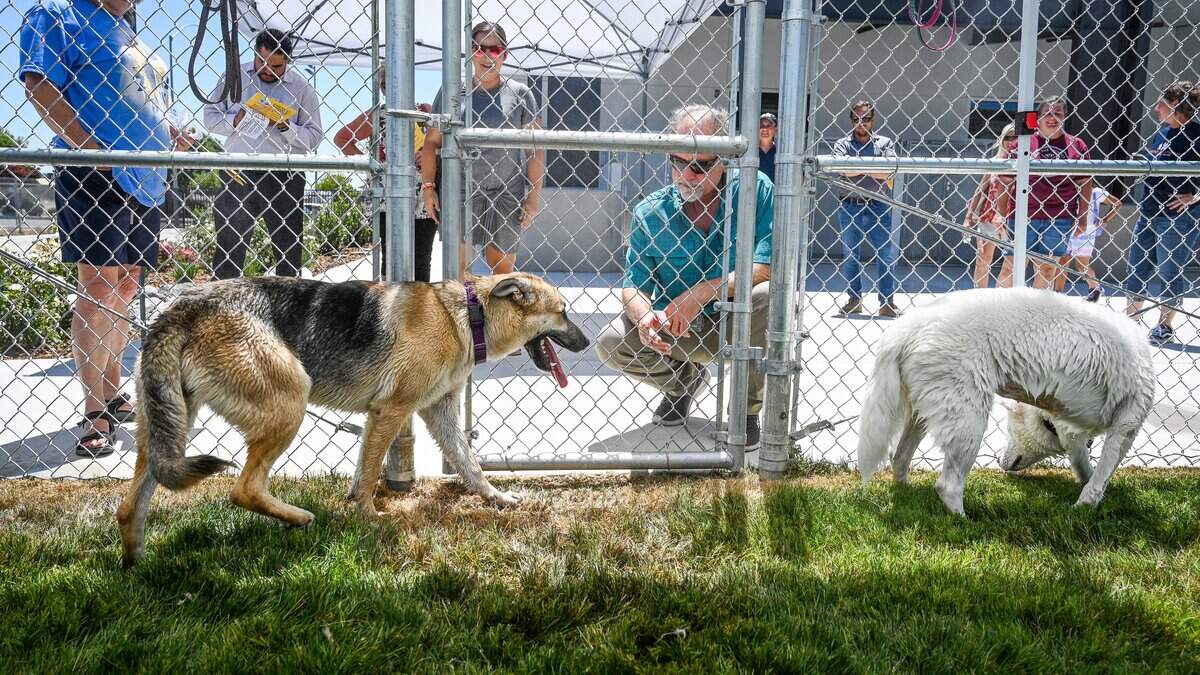
It’s not immediately clear how many animals the city’s shelter could service if the proposed $1 million makes it into the final budget.
Fresno Animal Center director Alma Torres said the department’s veterinarian performs about 20 spay/neuter operations daily, or about 80 per week.
When asked by Councilmember Miguel Arias whether $1 million would be sufficient to make a dent in the city’s animal overpopulation problem, Torres said “a million dollars is not enough” because there are not enough veterinarians in the area.
The Fresno City Council votes on the motions on June 16. The costs of the motions then have to be reconciled to keep the budget balanced — mandated by city law. A final vote on the budget is scheduled for June 23.
Nonprofit pledges to help Fresno
The city could receive financial help from the Dogwood Animal Rescue Project, an animal welfare nonprofit based in Sonoma County,
Cofounder Charlotte Pearce said in a letter submitted to the city that the organization would match up to between $201,000 and $500,000 of the city’s budget. One of the group’s priorities is to reduce the dog and cat population in the Central Valley; to date, the group has spent $1,700,000 to help spay and neuter 25,000 animals in Fresno County, the letter said.
“The only way to get ahead of the crisis is by continuing to offer more high volume affordable spay/neuter in your county,” Pearce said.
Dozens of residents who submitted public comments and spoke during the budget hearing, also urged the city to invest more in preventative services.
Kyle Kirkland, owner of Club One Casino — and the Republican candidate for California’s 21st Congressional District, where he’s challenging longtime incumbent Jim Costa (D-Fresno) — called the Central Valley “ground zero” for the animal population problem. He said his foundation, the Kirkland Foundation, was able to help sterilize, socialize and adopt out about 4,000-5,000 cats on a $900,000 budget.
“I think if you look at the cost-effectiveness of that, you need to consider that in your thinking about how to deliver services to the community,” Kirkland said.
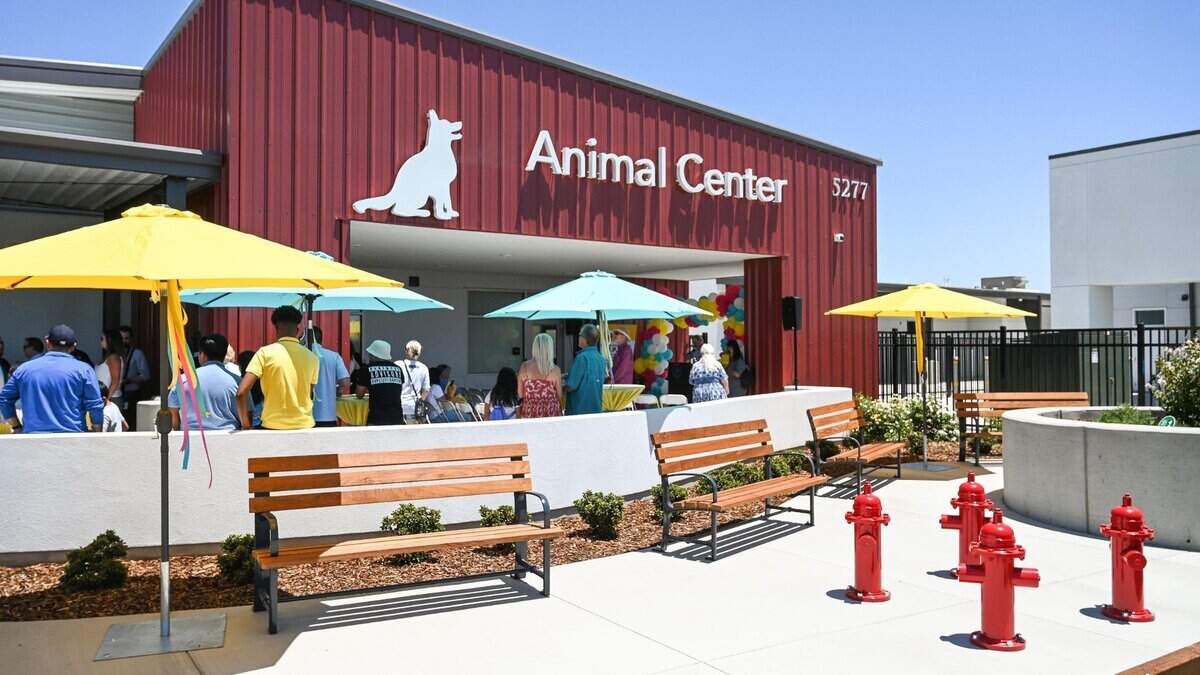
27% euthanasia rate at Fresno city shelter
Torres said that of the approximately 10,000 animals taken in by the animal shelter last year, about 27% were euthanized. Another 3,000 were adopted out and spayed and neutered, while others were transferred to partner organizations.
“A significant portion of them do come in sick or injured,” Torres said. "We provide the ability for them to be fostered or adopted, (but) we don’t necessarily have the ability to nurse them all back to full health. So we have to make tough decisions,” she said.
Maxwell asked whether any significant steps have been taken to lower the euthanasia rate.
“I think when this was sold to the public, it was sold as a temporary measure,” he said.
For years, the Central California SPCA has provided animal control services for the city of Fresno. In 2022, the city ended its partnership with SPCA in response to complaints from city officials that the price of the contract was too expensive for the quality of the services. The city opened its own shelter in June 2022.
But the transition has not been without challenges.
In 2023, the city shelter was advised that it was “borderline committing animal neglect” due to its inability to care for the volume of animals coming in, City Manager Georgeanne White said. UC Davis experts advised the city that it needed to get its animal population under control and the city has since instituted a “managed intake” approach.
“We just simply cannot take every single animal in,” she said.
Torres said the city will receive a trailer in July to operate a mobile spay and neuter clinic; services will be available once staffing is finalized.