This week in Fresnoland: Exploring our transportation future
READ MORE
Read more about Fresno County’s Measure C
Fresnoland, a nonprofit news outlet, has partnered with the Fresno Bee and Vida en el Valle, with support from the USC Annenberg Center for Health Journalism, to report on transportation barriers for people in rural areas or those less likely to own a car in Fresno County - and what solutions might exist, as county leaders look towards renewing Measure C, the county’s transportation sales tax. Read more here.
Expand All
Good afternoon.
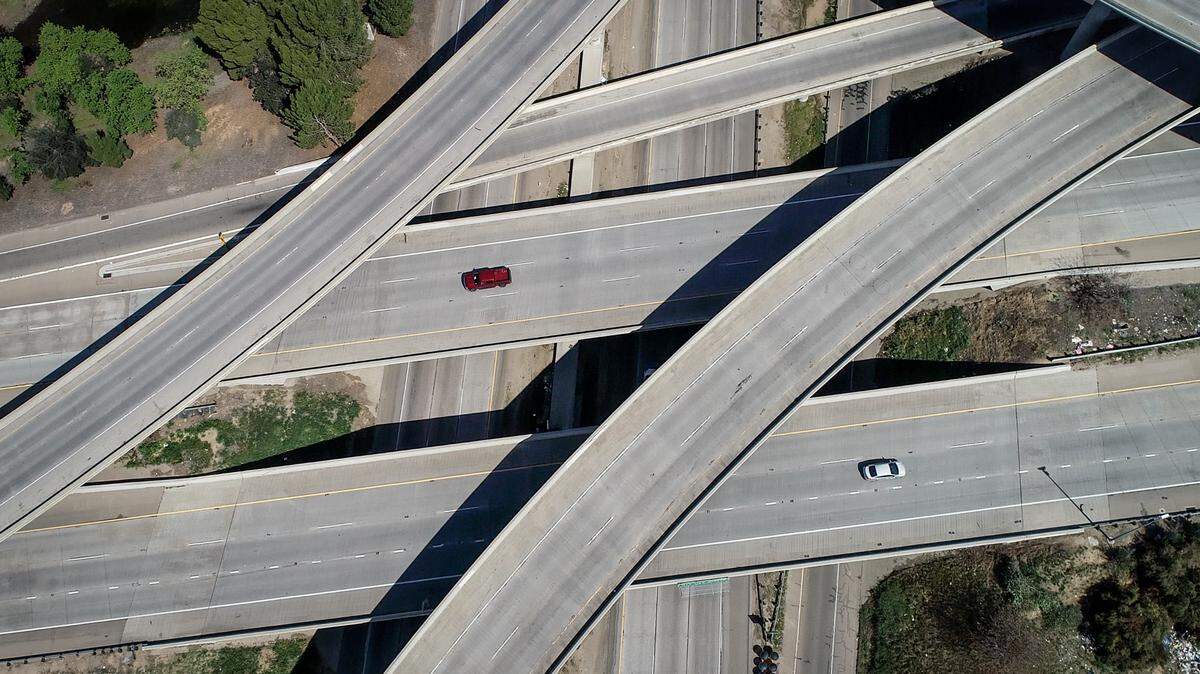
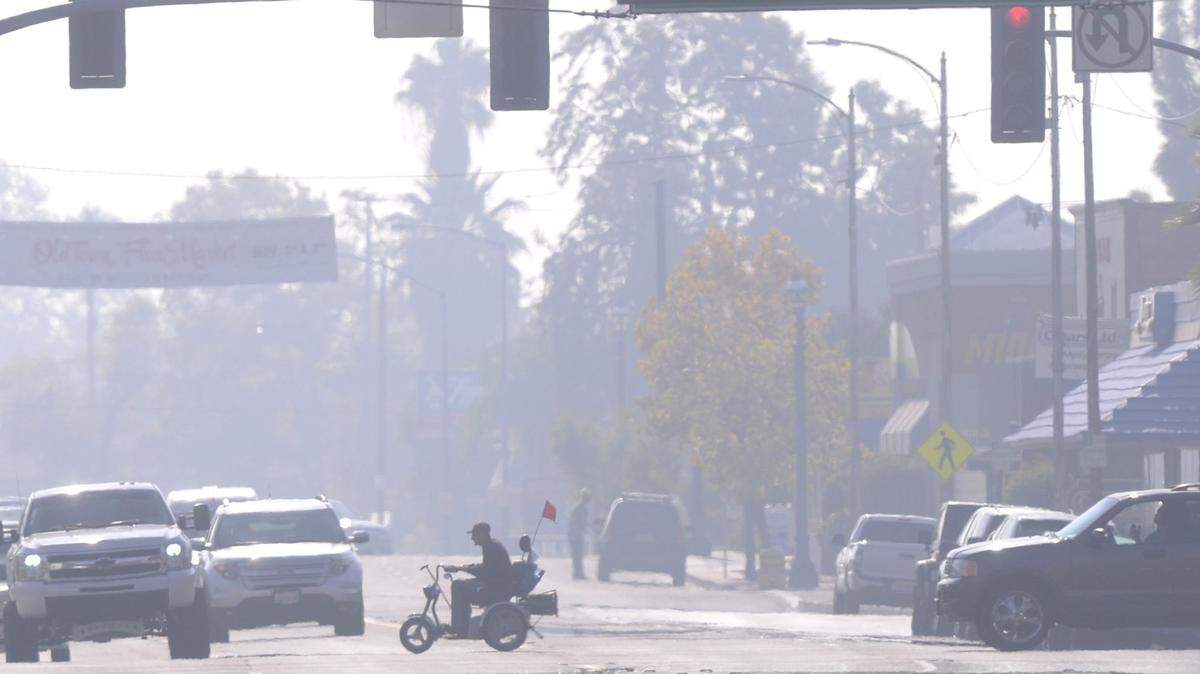
This week in Fresnoland, Cassandra wrote about the Clovis City Council denying a new 40-unit apartment complex in Old Town, and Danielle wrote about how Fresno County taxpayers have spent over a billion dollars on freeways despite persistent concerns over how cars contribute to local air pollution.
---
Readers of Fresnoland: we need your help to prioritize our coverage for 2022! Please fill out this short survey here to share your thoughts with us.
---
Do you love the public service journalism Fresnoland provides? Can you help Fresnoland meet our goal of raising $18,000 by December 31st? Donate here today. (Fresnoland is an independent nonprofit, and we rely on donors like you to survive!)
---
It’s Danielle Bergstrom, policy editor here.
This week I spoke with Dr. Aly Tawfik, the director of the Fresno State Transportation Institute (funded by Measure C) and an associate professor of civil engineering, about his thoughts on improving transportation choices for more residents in Fresno County, and the connections between transportation and air quality. He also sits on the Measure C executive committee.
Our conversation has been condensed for clarity.
Let’s start with transportation and climate change. How are they related in the San Joaquin Valley?
They’re related just about everywhere. So transportation is one of the four customary industries that we divide society into, which is housing, industry, business, and transportation. Transportation is the highest contributor to climate change and greenhouse gas emissions as well as energy consumption. So the relationship is inseparable. In the U.S., we have metropolitan planning organizations responsible for transportation planning. They are responsible for identifying and funding projects. They don’t get funding if we don’t meet air quality standards. Air quality is one of the main externalities, negative impacts of transportation, whether it’s greenhouse gas emissions or pollution.
There’s been a big push in California to do a lot of different things to improve air quality. What’s working in the Valley so far?
This question is very, very complex. Some people think, if we build the infrastructure, like to bike or walk, then people will start walking. If we get more buses, then people will start riding buses. I don’t think that’s the case. One study we funded investigated the impact of the existence of more biking and walking infrastructure on the share of active transportation mode [how many commuters walk/bike to work]. He found that there wasn’t much of a relationship. The study wasn’t done in Fresno, but in Kansas City. How can this be the case? One of the primary explanations is, it’s a culture. People have a very negative vision of buses. So just by having more buses, people are not going to ride them, if they have a negative vision of transit. Same thing with walking and biking, unless I can walk somewhere or bike somewhere, I’m not just going to walk and bike. Like I have time to waste. Nobody has time to waste unless we start planning our cities more efficiently so that people can access destinations by walking or biking. The mere existence of infrastructure isn’t going to make that much of a difference.
Take Paris, for example. Earlier this year, they came up with a new objective: they wanted every person to be able to access their destinations [without a car] within 15 minutes.
Is it possible to make Fresno a place where different neighborhoods could become a 15-minute city?
In the long term? Yes. I mean, we have to start somewhere, right? Now also take into account, we have a lot of evolving technologies and trends, autonomous vehicles, for example. So autonomous vehicles are not happening anytime soon. We’ll get a lot of this propaganda, but we have several decades until we’re there. But when that happens, it’s expected that using autonomous taxis is going to be much cheaper. And if that’s the case, then all this public parking we have, won’t be used. There’s no information in Fresno, but the national average is around 30-40% of any city space in the U.S. is for parking. So if autonomous taxis become the norm, then we can reinvent this space for public parking.
I’ve heard some people say that in order to address our air quality issues, let’s just get everyone an electric car and electrify all the trucks. How would you respond to that?
Electric vehicles are just vehicles with a very long tailpipe — because the emissions happen at the energy power plant. It’s still cleaner than a small engine. Perhaps with hydrogen things may get better. But with electrification alone, we will still have pollution. I’m happy that the state of California is pushing in that direction. We do have a project investigating electric vehicles access for low-income Californians. Right now, electric vehicles are purchased by only the elite, not even middle-income communities. It’s not just the price tag, but the lifestyle of people who use these vehicles. It’s impractical that there are no vans, for example.
Looking at our region, the number one place people charge their vehicle is at home. Looking at low-income Californians, which is the vast majority of people in our region, if you’re renting or living in an apartment, in most cases, you can’t really charge your electric vehicle. So there are all kinds of barriers and this could be one of them. In some parts of our region, the electric infrastructure in some cities cannot handle electric vehicle charging stations. Fresno County Rural Transit Agency was investing in electric buses, and in some cities, PG&E said that they didn’t have the power. So we also need to invest in the electric power industry.
Let’s talk about transit. What should be the role of public transportation as we work to improve air quality?
Some of these older models of fixed-schedule transit may not be as efficient as newer models of transit based on demand, or smaller electric vehicles.
One of the big obstacles for us in our region is the lack of information and data. For the next Measure C, we need to start collecting and analyzing data so that we can make informed decisions, so we’re not guessing in the dark, especially since transportation funds are very limited.
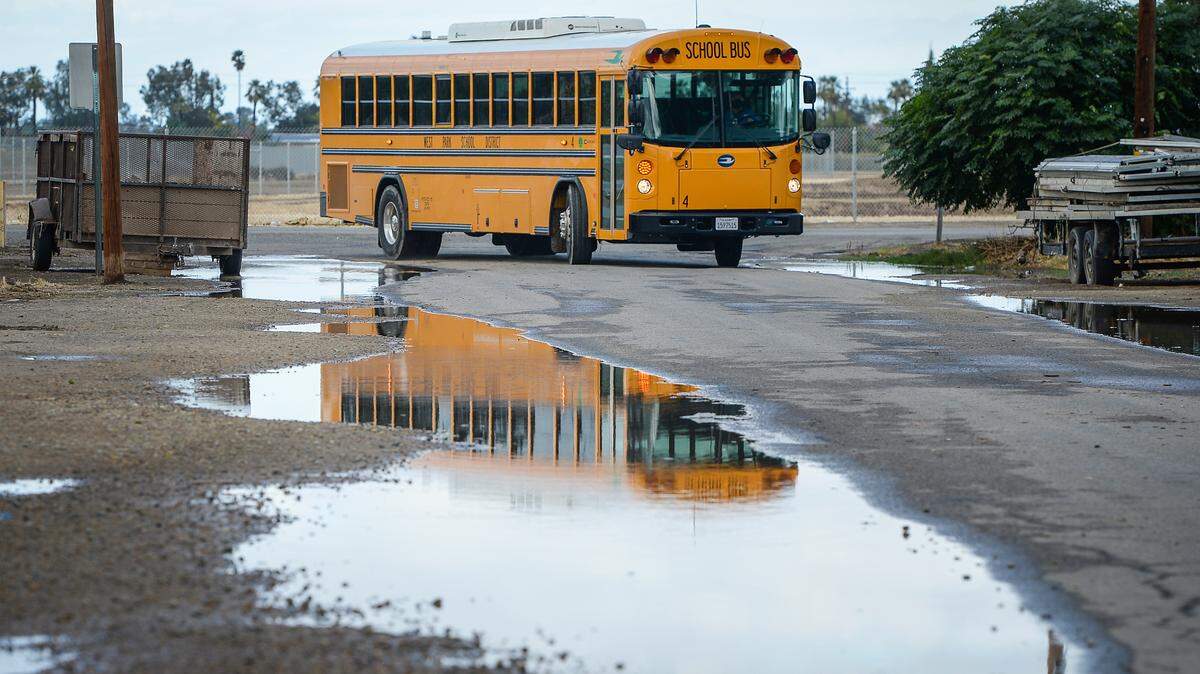
Public transportation is extremely important. Not just because it’s cleaner, because sometimes it isn’t, when demand is insufficient. But it’s a social responsibility — some people cannot drive and so they need public transit. Without public transit, people cannot get food or medical attention or send their kids to school. But I think we need a lot of improvements. This isn’t limited to infrastructure — we need to start with education. We need to change the vision of transit within the eyes of people or else they will not ride it.
THIS WEEK IN PUBLIC MEETINGS
Be sure to catch Heather Halsey Martinez at @heatherhalsey for the live-tweeting of the Clovis City Council, the Fresno Planning Commission (Nov. 17) and the Clovis Planning Commission (Nov. 18).
At the Clovis City Council meeting on Nov. 8, Martinez reported that the council Clovis Police Chief Curt Fleming updated the council on the state of the police department: the department needs 32 more officers and a staffing budget of $9.2 million per year over the next five years; the council denied the general plan amendment and a rezone of a 1.6 acres of land near Osmun and Baron Avenues, from medium density to very high density residential needed to allow a proposed 40-unit, three-story development. Read here for more info.
At the Reedley City Council meeting on Nov. 9, Documenter Dani Huerta reported that the council approved the following: a resolution to annex an overlay district of the river bottom area into the city of Reedley landscaping and lighting maintenance; consultant services agreement with Mintier Harnish for update to the city’s municipal code, specific to housing and land use. The council additionally approved the resolution establishing a pension and other post-employment benefits funding policy, adding $348,329 to next year’s budget. Read here for more info.
At the Tulare County Board of Supervisors meeting on Nov. 9, Documenter Josef Sibala reported that staff reviewed new community maps in Geographic information System (GIS) software and presented staff analysis. A member of the public -- Colijia Feliz -- stated during public comments that the redistricting process must disregard the “incumbents’ prospects for re-election, race, or class.” She worried that the process would render Tulare and northside Visalia residents “underrepresented.” Read here for more info.
This story was originally published November 16, 2021 at 1:06 PM.