
Eight years after VW emissions scandal, Electrify America fails to deliver | Opinion
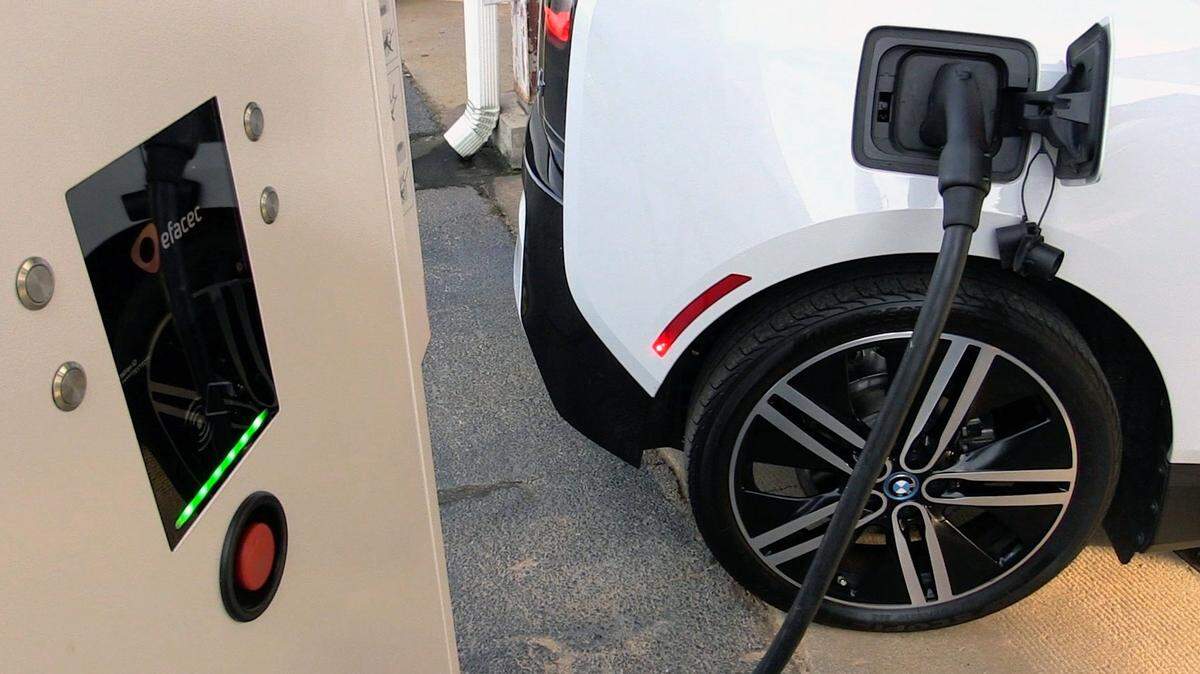
Eight years ago, Volkswagen stood in the public square, caught red-handed for cheating emissions tests and poisoning our air with the kind of casual arrogance that only a global conglomerate can muster. California — land of smog and struggle, of Teslas and tailpipes — was promised justice. We didn’t just want penalties, we wanted change.
What we got instead is something shinier than it is just.
The Electrify America program, born from the ashes of VW’s diesel deceit, was supposed to be more than a PR redemption arc. It was billed as a down payment on clean air, especially in the Black, Brown and low-income neighborhoods that had long choked on the fumes of industry and indifference.
Today, reading the thick stack of progress reports, guidelines and maps released this month, I’m struck less by what’s been accomplished than what’s been sidestepped.
Let’s be clear: there has been motion. Hyper-fast chargers gleam in high-end retail centers. Fashion Valley, SoMa and Simon malls now boast next-gen charging stations and temperature-controlled lounges. You can sip espresso while your electric vehicle fills up on 350 kilowatts of green virtue.
But in Bakersfield? In Wilmington? In San Bernardino’s diesel corridors, where the kids grow up with inhalers and their parents breathe anxiety along with exhaust? They’re still waiting.
Electrify America touts that 55% of their fast-charging stations are located in disadvantaged or low-income communities. On paper, that number might seem like progress. But on the ground, the math doesn’t feel right. Because the other number — 102 weeks — is how long it takes, on average, to get utility interconnection approval in California.
That’s two years of watching chargers stand like sculptures — built but dead, the cords coiled like broken promises.
We are told that the system is “oversubscribed” and that demand for clean trucks, buses and charging stations far outpaces supply. Electrify America is quick to point out that it’s a sign of success, but I see it differently. Oversubscription means that someone is not moving fast enough. It means that somewhere, a single mom is still fueling up her 2003 Camry with the last of her paycheck because the promise of equity got stuck in permitting limbo.
These are not technical failures, they’re moral ones.
The settlement money — billions meant to right a wrong — has slowly been repackaged into a sleek, brand-forward enterprise. The reports read like a corporate investor deck: utilization data, uptime metrics and glowing quotes from the CEO. Meanwhile, the air still burns in places like the San Joaquin Valley, where Electrify America’s community investments are still more brochure than lifeline.
I don’t doubt that some good has come of this: Valley Clean Air Now, EcoAct, Plug In America — community partners are doing the hard work of educating, deploying and reaching the unreachable. But they do so with scraps, while the big announcements get made in places with valet parking.
This isn’t a call to kill the program, it’s a call to return it to its roots.
Let’s have independent audits, not just third-party attestations. Let’s shift from “strive to invest 35%” to mandating real, enforceable thresholds in communities that bore the brunt of VW’s lies. Let’s give the state controller the power to verify — not just tally — how this money moves. And let’s not measure success by ribbon cuttings and press releases, but by whether a kid in McFarland can breathe easier walking to school.
Justice delayed isn’t just justice denied. In this case, it’s diesel disguised as progress. We deserve better.
Because this wasn’t a settlement for Volkswagen. It was a promise to us. And it’s time we plug it back in.
Dean Florez is a past senator from Central Valley and a member of the California Air Resources Board.