
CalFresh and SNAP benefit minority communities. Cuts would devastate families | Opinion
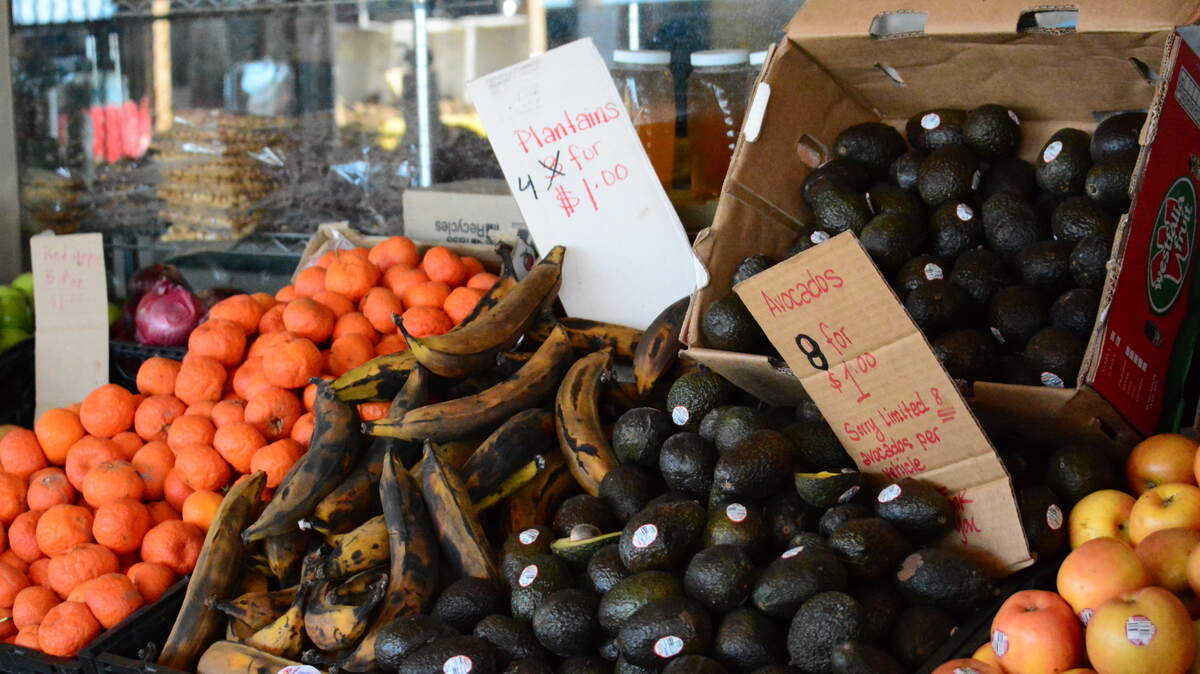
When we think about food and its potential to represent us, it’s crucial to consider access. Before the pandemic, 50% of Asian American, Pacific Islanders in the San Joaquin Valley who were working were struggling with poverty. These families were disproportionately impacted by the loss of employment and earnings during the pandemic.
Social benefit programs like CalFresh and the Supplemental Nutrition Assistance Program (SNAP) can close the economic gap from mere survival to enjoying food for its cultural significance in our marginalized communities by providing families the benefits they need to access food and groceries that they otherwise might not be able to afford.
I know firsthand the impact SNAP can have.
I recall a time when SNAP, a lifeline for my family and me, allowed us to buy produce and meat from Food 4 Less during the Great Recession in the late 2000s. This enabled us to continue cooking Filipino dishes like Sinigang (a sour and savory tamarind stew) and Bistek (a dish with marinated beef and onions in soy sauce and lemon). These meals were not just sustenance; they were a connection to our roots — a way to preserve our culture in a foreign land.
With Filipino food, each region interprets dishes differently, reflecting the ingredients and cooking methods, offering a glimpse into my family’s upbringing compared to other Filipinos.
Any efforts to diminish access to culturally significant foods and ingredients can have a lasting impact for many. That’s why it was so upsetting to see Central Valley Congressman John Duarte recently vote to cut approximately $30 billion in SNAP benefits that would have been allotted to millions of families over the next decade in the House Agriculture Committee markup on the 2024 Farm Bill. This would severely impact many Central Valley residents who rely on these benefits to connect with their cultural heritage and access nutritious foods.
SNAP cuts could have an outsized impact in the Valley, which sees some of the highest SNAP participation, including 19% (or 146,000) SNAP recipients in Congressional District 13 alone. In fact, Merced County’s Child Food-Insecurity rate is 27.3% — the third highest in the nation and the highest in California.
Preserving SNAP is not just about feeding the hungry; it’s about allowing every working American the dignity of accessing food that reflects who they are, where they come from and what they love.
Food is a powerful preservation of our cultural heritage. It must be made accessible to working class families across all walks of life as we strive to build communities rooted in equality and food justice for all. Let’s ensure that food deserts and inequities do not erase the rich cultural tapestries that make up our communities.
We must advocate for SNAP and recognize food as a bridge to understanding the markers of our identity and common shared values over the meal table. As congress considers the 2024 Farm Bill, I urge Duarte to prioritize our most vulnerable communities and protect the crucial funding for SNAP. In preserving this funding, we preserve the culturally rich traditions and diverse and vibrant identities of all people.