
A eulogy to Koda Farms from a Japanese Central Valley farmer who grew up on their rice | Opinion
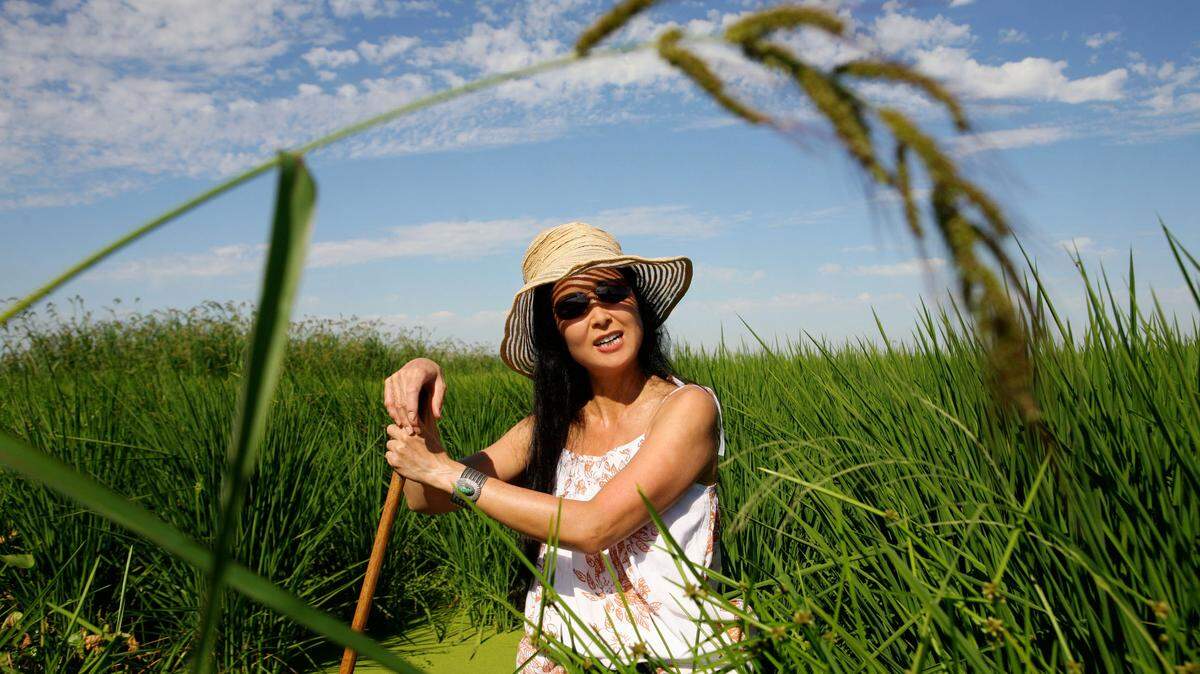
Koda Farms is changing. The fields of this family farm just outside of Dos Palos in our San Joaquin Valley will be different. Ross and Robin Koda are harvesting their last rice crop, ending a century of feeding my family and our history.
The brother-and-sister team mark the end of an era of growing some of the best rice that fed many, especially Japanese American families like my own. Their rice was part of a food culture I grew up with.
I can recall my father purchasing sacks of their rice and pouring it into a large metal can (later I learned it was a clean two-foot high, 20-gallon trash can solely dedicated to storing our monthly supply of uncooked rice) kept in a closet near our kitchen. It was a daily ritual to scoop cupfuls of the white grain, wash the rice and begin cooking it on a stove top. Every day. Every dinner. Every meal. Koda Farms and their Kokuho Rose rice brand defined and bonded us to a taste of our cultural roots.
Koda rice captured the flavors of an immigrant’s history. My baachan (grandmother) savored the simple taste of her homeland Japan. She ate Japanese rice at almost every meal, but she was also American, and survived an immigrant’s tale of hard work, struggle and poverty as our family worked the fields of this Valley.
My grandmother, my entire family and over 100,000 other Japanese Americans were branded as the enemy during World War II much like the Koda family. Yet many, including the Koda family, returned to this land. Despite being uprooted, they chose to replant roots here in this valley.
This was home for my baachan. The Kokuho Rose rice remained part of who she was: a taste of her Japanese heritage, and the flavors of her chosen homeland, America.
As Koda Farms ends an era, I can sense the passing of history, and, yet, hold close a taste of culture. Food and simple culinary practices and eating habits remain part of my memories. I remember using Koda Farms’ old cloth rice sacks as dish towels and storage bags. We still have one that was made into a work bonnet that many women wore out in the fields to protect them from the Valley’s harsh sun.
Yet, as a small family farm ourselves, we, too, can understand the shifting dynamics of growing food. Costs have increased, and inputs such as labor, water and fertilizer challenge our daily operations. Climate change instills a growing uncertainty as we end an era of so-called “normal” weather and enter a new norm of extremes. This past July, the hottest on record for Fresno, we averaged over 110 degrees, with some days as high as 115 degrees, for 10 straight days.
Koda rice may live on with others growing their brand. Yet, the end of this family farm estate marks the passage of time. I can sense my own mortality as a farmer — and the mortality of our old organic peach and nectarine trees. Change happens. I feel like I’m writing my own obituary as I wander into a future of unknowns.
The relationships Koda Farms created and fostered have left a profound impact. Their rice was not just a product or a transaction, it was and remains something more: relationships and values.
Koda Farms leaves a legacy behind. They live on in our memories. Yes, this is a eulogy to Koda Farms.
I breathe in the fragrance of a steaming pot of rice, and smile with the joy it brings. It fills my soul with emotions. Then, I let go. I will miss them. This one moment, however, feels timeless.
This story was originally published August 29, 2024 at 6:00 AM with the headline "A eulogy to Koda Farms from a Japanese Central Valley farmer who grew up on their rice | Opinion."