As a new fire season nears, forest managers must use all methods for fighting flames | Opinion
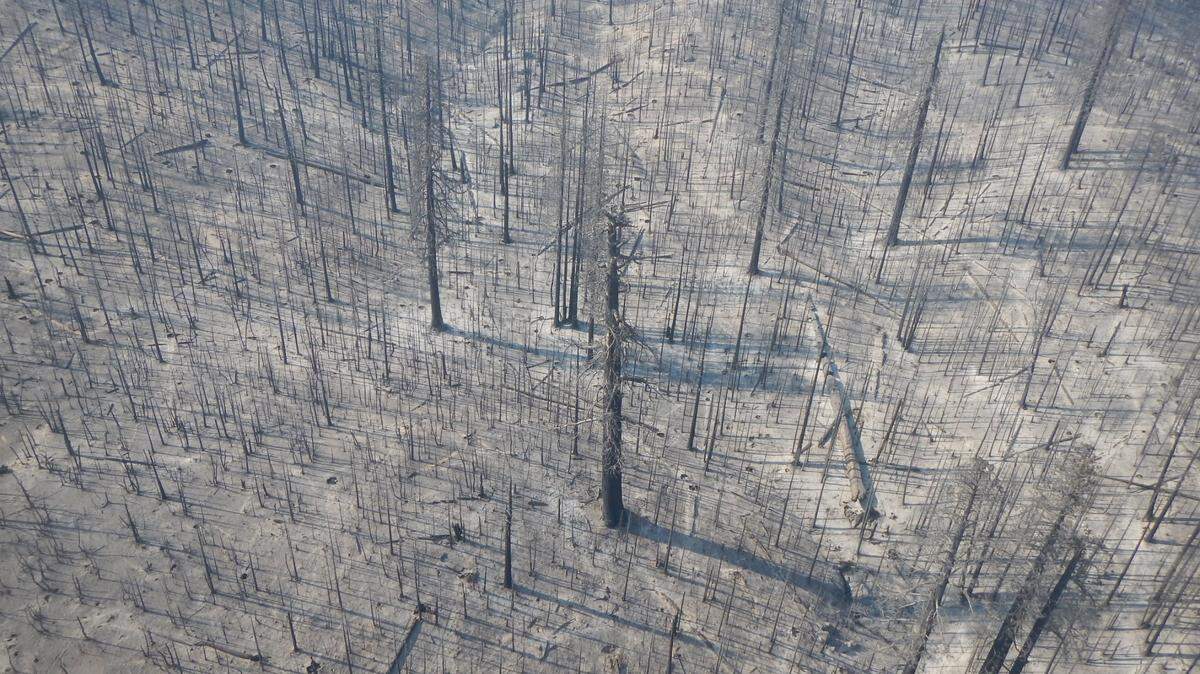
We are all too familiar with the Castle and Windy fires that devastated our beloved giant sequoias. The National Park Service has said there was “unprecedented” damage to sequoia trees throughout Sequoia and Kings Canyon National Parks, which run parallel to our homes in the San Joaquin Valley.
As a lifelong resident of the Central Valley and a career-long representative of the community locally and through my tenure in the U.S. House of Representatives, I am familiar with the threat that wildfires bring to our communities. The wildfire damage in Sequoia and Kings Canyon is just one example of a broader issue: overstocked fuel loads on federal lands are leading to catastrophic wildfires, and something must be done to address it.
While towns and farms directly alongside national parks and national forests are especially vulnerable, anyone who has spent time in the San Joaquin Valley knows how much wildfires harm our air quality, impacting future generations. As we head into wildfire season, I’m encouraging land managers to support an all-of-the-above approach to preventing wildfires to protect forests, preserve agricultural land and mitigate further pollution of Valley’s air.
One of the best ways to protect our families and neighbors across the Valley is by reducing fuel loads on federally managed lands. The stint of fires in 2015-21 left a wake of kindling and vegetation that will only lead to more extensive and difficult fires. Without reducing these fuel loads, we leave the Valley vulnerable to devastation and toxic air quality. My home county of Tulare itself has nearly a half million residents. It’s critical for the safety of the Valley that we work to reduce fuel loads in our national parks and forests, which will also help restore a healthier ecosystem for the wildlife post-disaster.
Another natural tool we can use to slow down the rate and intensity of a wildfire, which can easily be done during the USFS wildfire clean-up efforts, is implementing a system of fuel breaks on forested lands. These are areas in which vegetation is mechanically cleared to reduce the amount of fuel available to a wildfire. For example, removing dense undergrowth near a road or in the forest helps slow the spread of fire and provides a safer place to fight the blaze. Fuel breaks are relatively inexpensive to construct and maintain and, if applied in a systematic way, reduce wildfire risk. Many breaks already exist, and we must continue to build this network and create databases and maps that record their locations.
We must also think more holistically about wildfire management, which includes championing the continued use of aerial fire retardants, which have proven to be a formidable weapon in reducing the rate and intensity of wildfires. This is an especially critical mechanism to limit the amount of smoke lingering in the Valley. By extinguishing the flames sooner, we can control the amount of smoke we inhale, which affects our respiratory health for years to come.
An all-of-the-above wildfire prevention and suppression approach isn’t just helpful for the communities directly in the path of the wildfire. It’s critical to protect all vulnerable communities across our state that will feel the health effects, financial impact, and environmental damage from wildfires. Land managers must proactively use all available tools to contain wildfires. Our communities depend on it.