
State agency identifies racial inequalities to help Valley towns lacking clean water
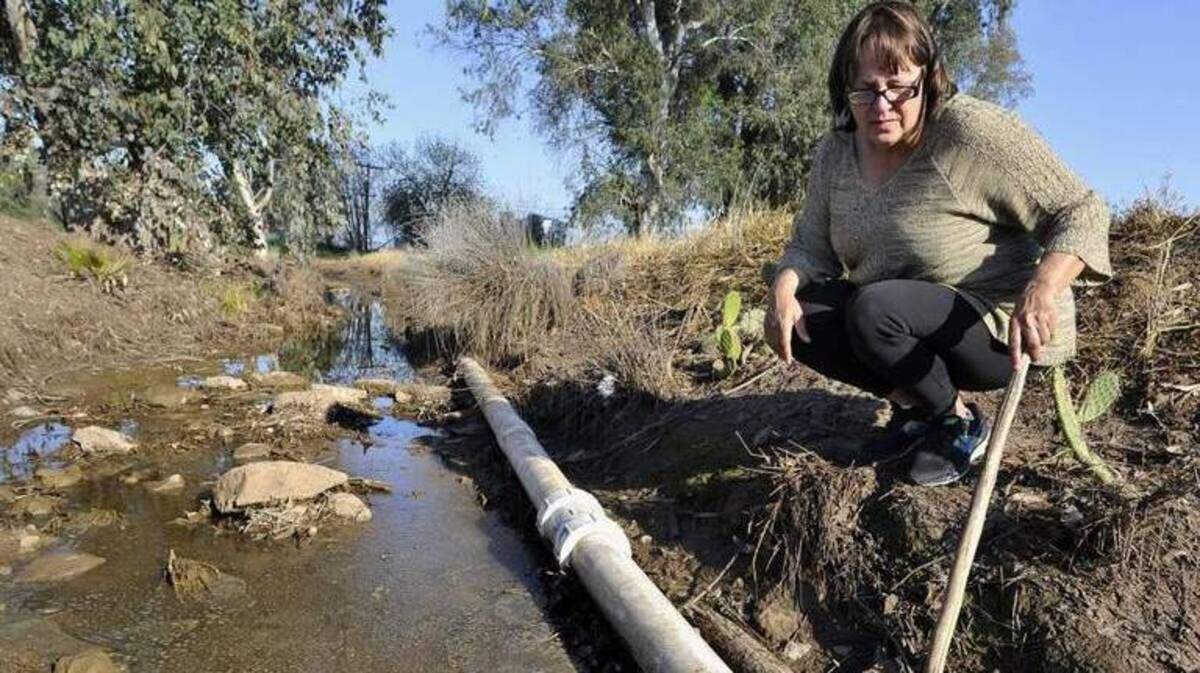
It’s very important to lead with your values. That’s exactly what is happening at the California Water Quality Control Board regarding racial equity and environmental justice. I am an operations manager and racial equity work group contributor at the board, but the following is my opinion on the racial equity and environmental justice efforts being made by the agency.
Water is life, and here in the Central Valley, water access is as big an issue here as almost anywhere else on Earth. In California we have a “human right to water” approach that was built into our system when the Legislature passed the Human Right to Water Act. While I applaud this approach, the reason for the legislation in the first place was the rightfully harsh criticism laid on California by the United Nations, which put a spotlight on the areas of California that lacked access to safe, affordable and clean drinking water. Hint: It was areas with high minority populations, and lower income.
As a racial equity team member working on the resolution, I know personally that these efforts do speak to the ideals and values shared with folks across this state. Racial inequities are not random. Unfair and unjust government policies and practices have created and sustained inequities over time and will not be dismantled on their own. The board’s racial equity working group was created on the belief that government agencies have the power to identify the policies, programs, and systems that create racial disparities, and work to dismantle or minimize them. The board’s mission is to protect the human beneficial uses of water.
The board oversees about 130 programs, and every one of those traverses with different public stakeholders and community groups. Often it’s a community with a specific geographic perspective; other times it’s across the whole state. In every interaction with the public, we are essentially seen as “the government.” Because the regulation of water is such a fundamental role, we have a lot of potential to engage with community members that have historically been ignored or purposefully not prioritized.
A 2020 report from the Environmental Working Group gave us data and published evidence that access to clean and affordable water “falls along racial lines” in part as a result of discriminatory land-use practices in California’s history and continues to persist in many ways. The board has influence over how California water-rights disputes are resolved and serves as the enforcement arm of the Sustainable Groundwater Management Act. Because of this expansive influence the board is an ideal government agency to carry the torch regarding the importance of racial equity work.
News outlets such as The Bee have published numerous articles regarding water access and the racist policies that have affected minority areas for decades. Just look up reporting on communities like East Orosi, Matheny Tract, Seville, and Tipton to name a few, and a pattern becomes clear.
This effort has been years in the making. The water boards have held internal and external listening sessions to gather input from employees, as well as community members, students, the tribal community, environmental justice groups, and other agencies regarding racial equity that influenced the draft resolution that will be presented to the board later this year.
We are a data-driven agency. We work within systems. We put an emphasis on understanding those systems and designing improvements to achieve better outcomes. This effort has been crafted with that in mind. We are not simply making the promise to end racism, which of course, isn’t feasible, and promises from “the government” are often seen as unrealistic. The board is working to address systems of racism, which is much more doable, and more importantly, quantifiable.
This racial equity resolution represents “the government” working to deconstruct that painful past. We are working to remove the blockades and barriers of racial inequity. This should be a value that is held by every Californian and American. There is so much we could accomplish if we crafted pathways of opportunities and utilized the potential of all our citizens. After all, our government should be working for all its people to create an inclusive democracy.
This story was originally published August 17, 2021 at 11:13 AM.