Central Valley town fought for clean water for years. Is the battle finally over?
During summertime, many households in Seville have seen their wells go completely dry.
For years — too many, residents say — households teetered with unpredictable conditions. Using too much water in the day meant having none at night. One flush too many, and everyone relying on a single well in town was thrown into a dry spell.
That was a way of life for the 500 residents of the small community in eastern Tulare County until last fall. In 2015, after a new well replaced one that had failed, residents had yet again used more water than the well produced.
The short-lived relief added to a long list of problems the community has historically seen. Rusty, leaky, exposed water pipes were a regular feature of one of the most poorly-managed water systems in the Valley, community advocates say.
The coming summer, however, promises to be a new one altogether for residents in Seville.
The Tulare County Resource Management Agency recently completed the first of two phases in a project that aims to close a painfully long chapter in Seville’s water challenges. The first phase included a new well and pipes, as well as a 211,000-gallon water storage tank.
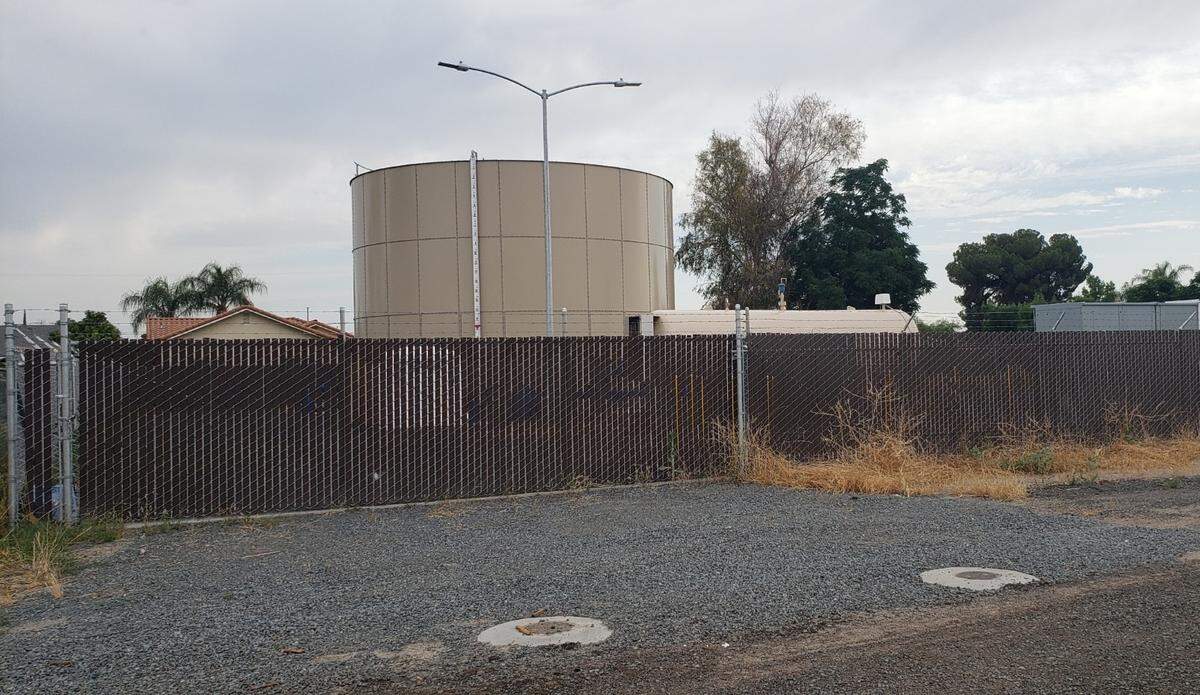
Residents say they’re relieved as the hard-won victory ends a years-long effort to get reliable, clean water into their homes.
In 2011, on a worldwide tour of places where drinking water was substandard, the United Nations visited Seville after it caught wind of its neglect. They discovered “Third World” conditions. The issues were there long before the visit, residents said.
But the visit spurred state and federal action, and Seville became a symbol of the state’s roughly 300 public water systems facing drinking water challenges, like arsenic and nitrate contamination. Millions of people are affected each year by the water that violates standards, a McClatchy investigation found.
What’s next?
While there is no single solution for cleaning up California’s water, state laws have paved the way for communities to seek funding for specific projects.
For Seville, getting over the mountain of challenges — including depleting groundwater from drought and water-boiling orders — meant looking to a neighbor for help.
Ross Miller, chief engineer for special projects at the Tulare County Resource Management Center, said Yettem, a community of about 350 residents a mile west, had water. And since tests showed their water was tainted with nitrates, the community qualified for state funding to clean it up.
Miller said connecting Seville to Yettem meant both communities would benefit. It was also a solution sought by county supervisors years before when a court ordered the county to take over Seville’s water problems.
According to Miller, a connection to Yettem, the second phase of the project, won’t happen until 2021. However, the Board of Supervisors will vote on June 9 to approve the Seville-Yettem Community Water District. This five-member elected board will oversee the water in both communities effective this summer.
Chris Kemper, the principal at Seville’s Stone Corral Elementary School and one of the directors on the board, said there is a nervous feeling about taking over the system. He says one of the things the board will hope to address is the water rate.
Residents pay $70 a month to maintain the new system installed in Seville; previously, they paid $40 on top of bottled water purchases and deliveries. Kemper said the school district would spend about $800 a month during summers to provide bottled water for students on top of the regular water rate the households paid.
Many residents are farmworkers and poor, he said.
“That’s the sad part,” Kemper, who moved to Seville from Los Angeles 12 years ago, said. “We’re not the richest people out here.”
But Kemper said it’s a relief that the community will have a reliable flow of water after millions were spent fixing the system; he reports a difference already in taste and pressure coming out of the taps.
It makes living a lot easier, he said.
“You realize what a precious commodity water is when you don’t have it.”
One more surprise
For a community so used to obstacles, it was no surprise one more would appear before finally breathing a sigh of relief.
An environmental review was required before any pipes went in to replace the previous century-old system. It delayed the project for about a year, but it was an important effort to protect a wildland preserve, one of the last in the state where California Tiger Salamanders hatch.
To get around disturbing any sensitive wildlife, crews dug 500 feet away from the preserve and used a horizontal drilling method commonly used by the oil industry. The pipes would eventually connect Yettem and Seville, bypassing the preserve.
Crews needed to dig just deep enough, and as far as possible since the salamander population burrows just beneath the surface for habitat.
Looking back at it now, school principal Kemper said residents laugh that a salamander briefly got in the way, but it’s an ultimate example of coexisting, he said.
“You’ve got to balance the needs. The salamander was there first, let’s figure out ways to get it resolved,” Kemper said. “We all respect the environment.”
Dream come true
In the end, it’s a dream come true — made possible by the activism of residents in the community who had no choice but to be patient but persistent.
Rebecca Quintana, an outspoken Seville native, said it took attending meeting after meeting to inform local and state government officials about the issues.
Lujan, Quintana’s daughter, died of breast cancer in 2015. It was a shock to Quintana, who said cancer does not run in her family. Quintana has always wondered whether dirty water played a role in her daughter’s illness. It’s a fear that runs through the minds of parents across communities with contaminated water.
She has backed away from her activism, but Quintana said she is left with the pride of knowing residents in her community now have better water.
“This is the first summer that we know we’re not going to run out of water,” Quintana, who now lives in Visalia but has family living in her Seville childhood home, said. “This is the one summer we know we don’t have to worry about anything.”
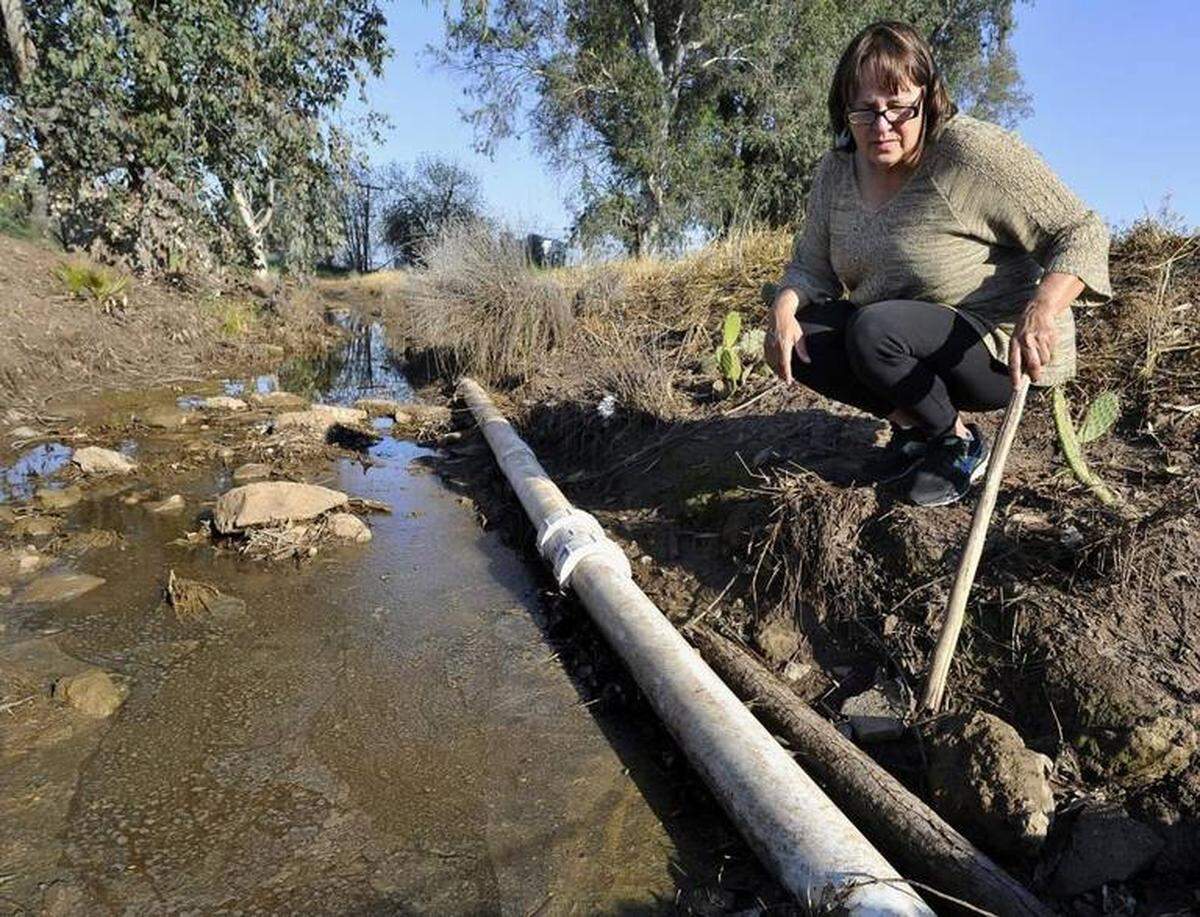
Still, a generation of children lived in Seville and surrounding communities, knowing nothing but dirty water.
And to this day, there is distrust of even the new tap water, residents say.
Eddie Valero, a Tulare County supervisor elected in 2018, said he hopes to one day soon hold a community event where he can join residents in celebrating the water. Any celebrations are on hold due to the coronavirus pandemic.
Meantime, Valero said he’s continuing to help push for similar water improvement projects in the county, including a consolidation of the East Orosi water system with nearby Orosi.
That’s just one of many other communities in Tulare County facing water contamination, said Seamus Guerin, Community Development Specialist at Self-Help Enterprises, who works with 10 communities outside of Seville.
Guerin, with the help of millions of dollars in grants secured by the county and by Self Help Enterprises, helped make the roughly 90 connections from private homes to the new pipes in Seville. The state grants also funded similar projects for other communities.
In his years spent working with Seville residents, Guerin said the solution wasn’t always clear, but resident activism helped keep the projects alive.
The election for the new community water district became a competitive one when more than enough residents ran for the limited spots on the board, a clear sign of years of interest among residents in restoring water quality.
“The good news is that no solution is impossible for any of these challenges,” he said. “We know what we need to do.”
Cresencio Rodriguez-Delgado is a journalist at The Fresno Bee. This article is part of The California Divide, a collaboration among newsrooms examining income inequity and economic survival in California.
This story was originally published June 4, 2020 at 2:26 PM.