Here’s why we should stop planting palms in Fresno and Clovis | Opinion
The other evening while out on one of my regular neighborhood strolls I encountered something that left me both startled and befuddled.
Palm trees.
(Which aren’t really trees in the scientific sense, but more on that in a bit.)
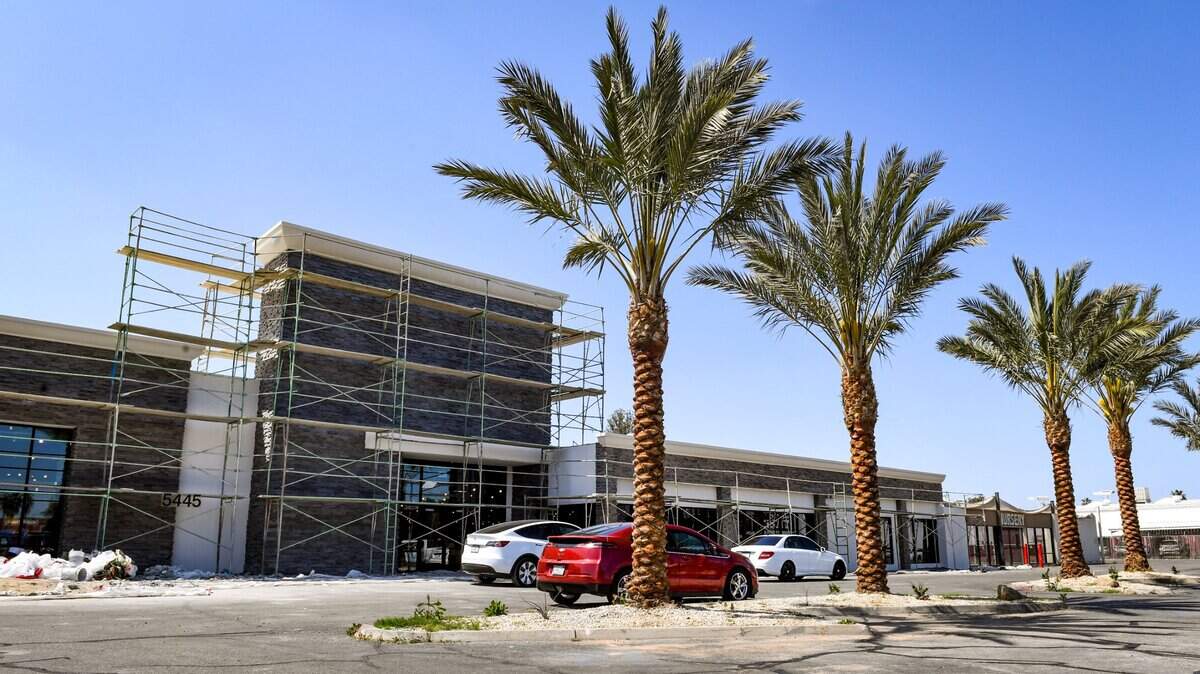
No one will ever confuse the northern outskirts of Clovis for a tropical setting. Yet here lining a small green space amid newly and partially built tract houses stood seven Mexican fan palms that weren’t there a week ago.
Never have seven “trees” looked so useless, forlorn and out of place. And when triple-digit temperatures settle in shortly, and for decades’ worth of summers after that, they’ll cast roughly the same amount of shade as nearby street lights.
Fresno and the central San Joaquin Valley aren’t near the ocean. So what’s with our standing obsession with tall palms? Why, despite their obvious limitations, do palms pop up in so many shopping centers, business parks and housing subdivisions in this heat island we call home?
For insight into these important questions, or perhaps simply to commiserate, I sought the counsel of Mona Cummings, the CEO of Tree Fresno.
“Palms have that symbolism of the coast and good living – I think that’s why developers use them a lot,” said Cummings, head of the nonprofit that has planted more than 53,000 trees since 1985.
“Palms aren’t trees but they have the essence of a tree in that they create a certain type of feel. If you’re seeing new palms around town, it’s probably related to higher-end real estate developments where they want to create a little of the coast here in Fresno.”
Closer to grasses than trees
Cummings’ explanation made perfect sense, except for the bit about palms not being trees. But she’s right. Palms are more closely related to grasses than trees and botanically classified as such.
Like all living plants, palms absorb carbon dioxide from the air and convert it into sugar and oxygen through the process called photosynthesis. But they do so at significantly lower rates than trees, studies show.
Palms also have much shallower root systems, Cummings went on to say, meaning they don’t provide the same benefit to water quality by filtering pollutants and sediment that trees do. Nor do they hold the soil together or assist with groundwater recharge.
Due to their meager contribution to the tree canopy and comparatively small environmental pluses, palms won’t be found on any Tree Fresno planting list or project sponsored by the organization.
“Environmentally they don’t stack up to even the smallest of the large trees that we plant, which is the crepe myrtle,” Cummings said.
We’re not even finished chopping down palms – metaphorically speaking.
Palms suck more water
Water conservation, a huge issue in the Valley, should be a major factor in any landscaping choice.
Trees and palms require the most amount of water during their first three years in order to get established, Cummings said. But while a drought-tolerant tree such as a Chinese pistache or cork oak typically needs 15 gallons per week during that initial period, a palm sucks up twice that amount.
Once established, drought-tolerant trees only require weekly waterings even during the summer, she added. Whereas shallow-rooted palms prefer damp soil damp and more frequent irrigation.
There’s also the fact that palms need expert maintenance because they can be death traps for tree-trimmers.
“Workers have suffocated in palm fronds” Cummings said in reference to a 2023 incident near San Diego. “Plus those fronds can fall to the ground, and they’re serrated so that can be very dangerous for people underneath.”
I recognize not all palms are created equal. There are a few streets around Fresno (Kearney Boulevard and Olive Avenue near Fowler Avenue come to mind) lined with stately Mexican palms that have stood for long enough to be considered historic.
Unfortunately those trees … er, gigantic stalks of grass have a typical lifespan of 80 to 100 years. Meaning many palms planted in the early to mid 20th century to bring coastal vibes to Fresno have reached the end.
Cummings suggests local officials get out ahead of the inevitable die-off by planting drought-tolerant oaks and other large canopy trees in the vicinity and giving them time to grow.
Great idea. Because unlike actual trees, palms are all style and no substance. Developers are you listening?