With $1B price tag, Fresno’s newest growth area gets chopped down to size | Opinion
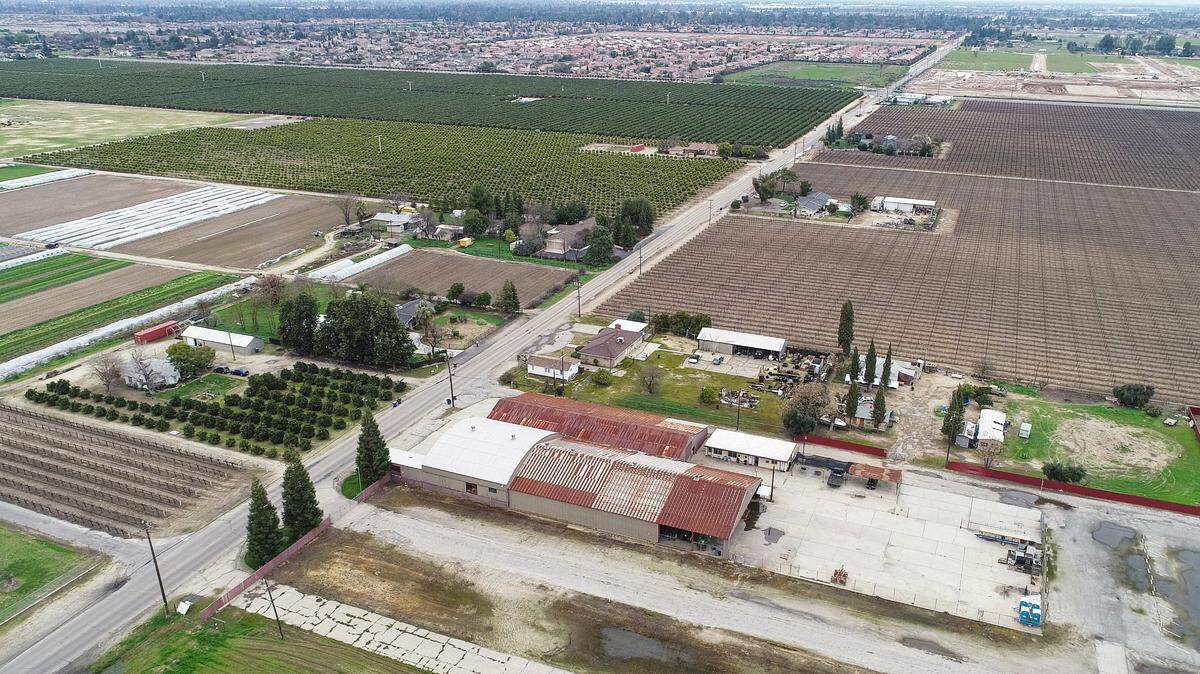
A long-looming appendage on Fresno’s southeastern flank has been chopped down to size before it could even reach the operating table.
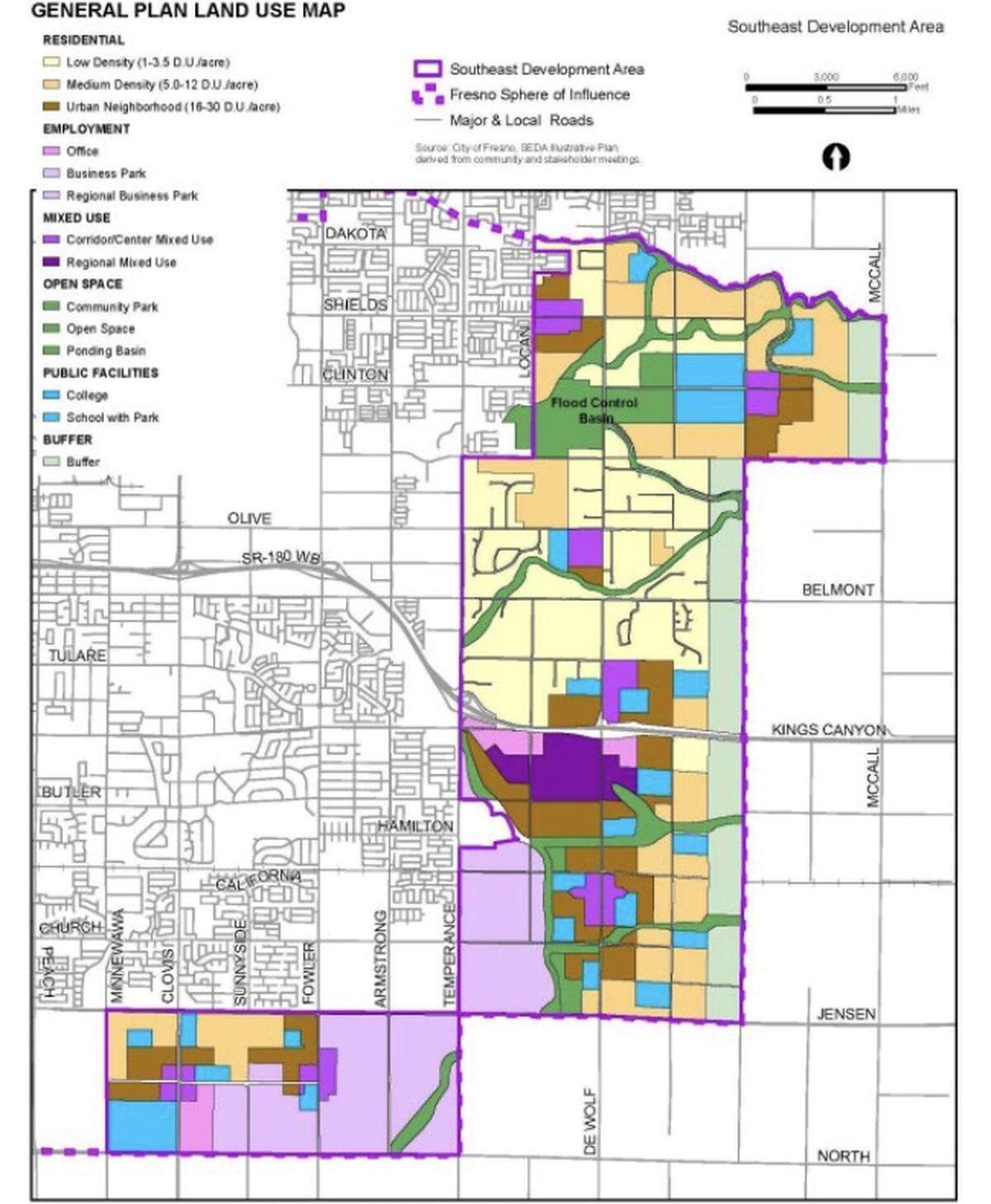
For several years under the Dyer administration, city staff has been assembling the necessary planning and environmental documents to get a massive housing and commercial development ready for liftoff that would pave the way for up to 45,000 new homes across a 9,000-acre area just outside Fresno’s existing borders.
But during a workshop about SEDA (short for Southeast Development Area) given by city planning staff at last week’s Fresno City Council meeting, it soon became apparent the proposal enjoyed less-than-enthusiastic support.
After multiple council members poked holes in some of the presenters’ assertions and voiced skepticism over new growth’s ability to pay for itself and rather than drain scarce resources from existing neighborhoods – Fresno’s long-entrenched pattern – Mayor Jerry Dyer threw in the proverbial towel.
Dyer exited his office where he was watching on TV, walked over to the council chamber, up to the speaker’s podium and spoke plainly about what has been a tightly clenched subject inside City Hall for months.
To pay the upfront costs for new water and sewer lines to be brought into the parts of SEDA where developers are most eager to build, the parts within Clovis Unified School District where they can command premium prices, Fresno residents would have to take on more than $1 billion in debt.
Yikes. Too much for Dyer’s conscience to bear.
“The potential for (SEDA’s costs) to fall on the general fund and ratepayers, I believe it’s all true,” he told the council. “That return on investment would have taken so long, it would have been on the backs of ratepayers.”
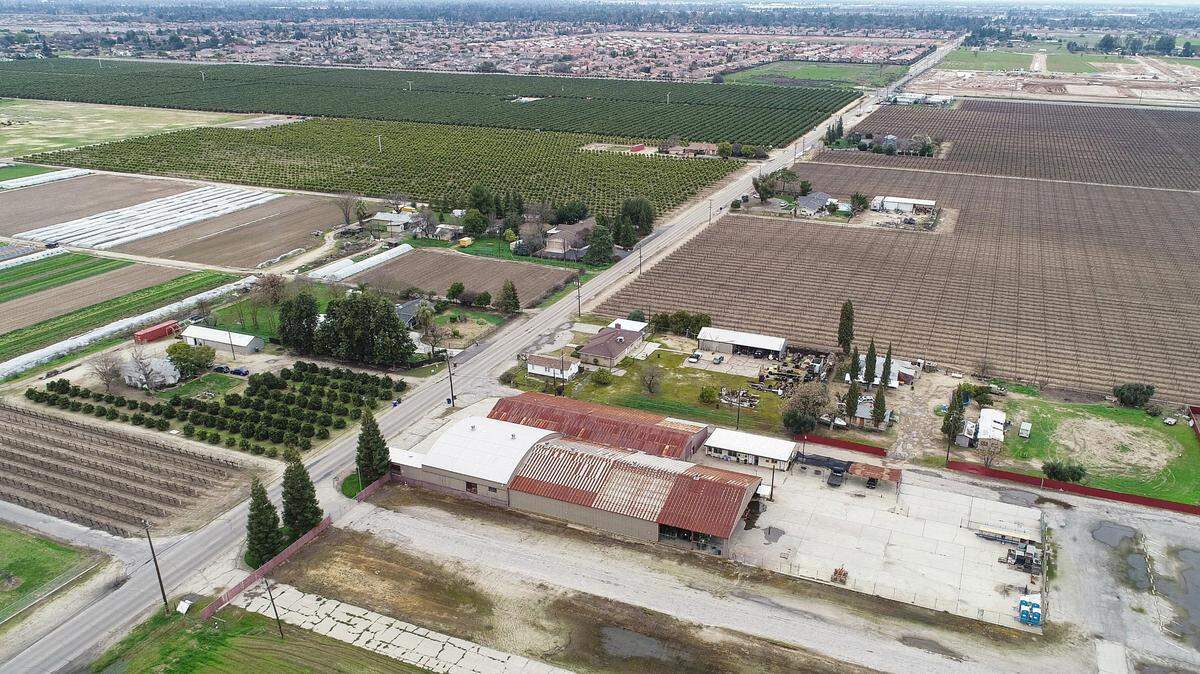
Instead, Dyer shifted his support to a quarter-sized southern portion of SEDA that lies south of Jensen Avenue and west of Temperance Avenue, includes heavy industrial zoning, already has sewer lines nearby and falls within the Sanger Unified boundaries.
“I believe we need to move forward during my administration with the opening of south SEDA and south SEDA only,” Dyer said. “I don’t think we should do any further phasing in the next four, five, 10 years because it’s cost-prohibitive.”
Blow to home builders
Dyer’s pullback on SEDA is a blow to developers and a construction industry anxious to open new home-building frontiers in Fresno and particularly within highly desirable Clovis Unified. But it could head off another legal battle with community groups while easing the city’s housing and business park crunch ever so slightly.
That will depend on whether a council majority supports moving forward with SEDA, even in a truncated form. The mega-development’s specific plan and environmental impact report are scheduled to go before the council June 12 – smack dab in the middle of budget hearings.
Last week’s workshop was the first public conversation about SEDA since a trio of council members negotiated a tax sharing agreement with the county that gives the city a more favorable split for new development in the southeast than in other growth areas.
The presentation by Jennifer Clark, the city’s planning director, and Sophia Pagoulatos, manager of long range planning, included background information, a cursory look at new home construction in Fresno compared to Clovis and Madera County and 19 slides labeled “myths” and “facts” about SEDA.
For example, the mega-development is not based on incorrect population estimates. (As has been asserted by critics.) Nor is it sprawl, a burden existing to neighborhoods, an usurping of prime farmland or will it lead to an increase in Vehicle Miles Traveled and carbon emissions.
“If the SEDA specific plan is not approved, piecemeal development will happen there anyway,” Clark said at one point. “There is demand. That will occur.”
Council pokes holes in presentation
Council members, by and large, weren’t buying it. The presentation began to falter when Councilmember Annalisa Perea questioned Pagoulatos about why growth projections used for SEDA conflicted from those used for new housing tracts in her district west of Highway 99.
Pagoulatas didn’t have a great answer, claiming the projections were similar “in a general way.”
Things really fell apart when Councilmember Miguel Arias took over. Arias challenged the presentation’s regional housing market analysis that showed 16,000 new homes permitted for Madera County and 15,000 for Clovis but left out the 50,000 already in the pipeline west of 99.
Arias asked why Fresno needs 45,000 new rooftops in SEDA when tens of thousands await construction west of 99. He downplayed the threat of losing homes and businesses to Madera County and Clovis, citing state figures that show the rate of new home-building in those areas has slowed.
“We still have 27 years worth of growth already in the system,” Arias said. “I’m not concerned about what Madera and Clovis are doing. They’re figuring out that growth doesn’t pay for itself.”
Soon after Arias tore into the comically low Vehicle Miles Traveled projections for SEDA residents at full build out (lower than New York and San Francisco), Dyer made his unscheduled appearance.
“I was sitting in my office, and I couldn’t take anymore,” he told the council.
That’s when council members and the general public learned Dyer harbored many of the same reservations about SEDA and only favored moving ahead with a portion that isn’t along Highway 180 or in the Clovis school district.
Who says local government meetings are always uneventful?