PG&E shouldn’t be permitted to endanger public safety at San Joaquin River Gorge | Opinion
PG&E is only too eager to shut off the power to your house when it believes there’s a public safety threat. (Not to mention a threat to their equipment.)
But when it comes to ensuring public safety in a popular recreation area outside Fresno, PG&E would rather not bother. In fact, the utility company is actively seeking a way around new safety and environmental measures in the San Joaquin River Gorge set by multiple government agencies and recommended by conservation groups designed to prevent the sudden onset of deadly high-water conditions.
“I don’t know why PG&E is fighting so hard to keep from doing the right thing,” said Dave Steindorf, stewardship director for American Whitewater.
Me neither.
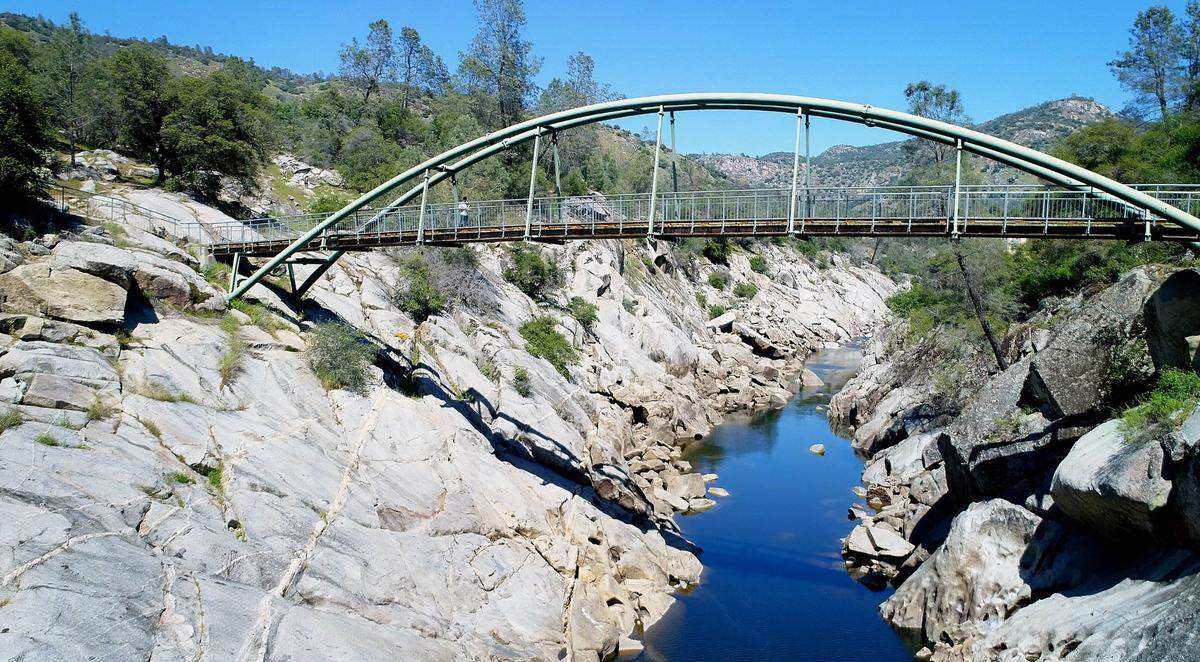
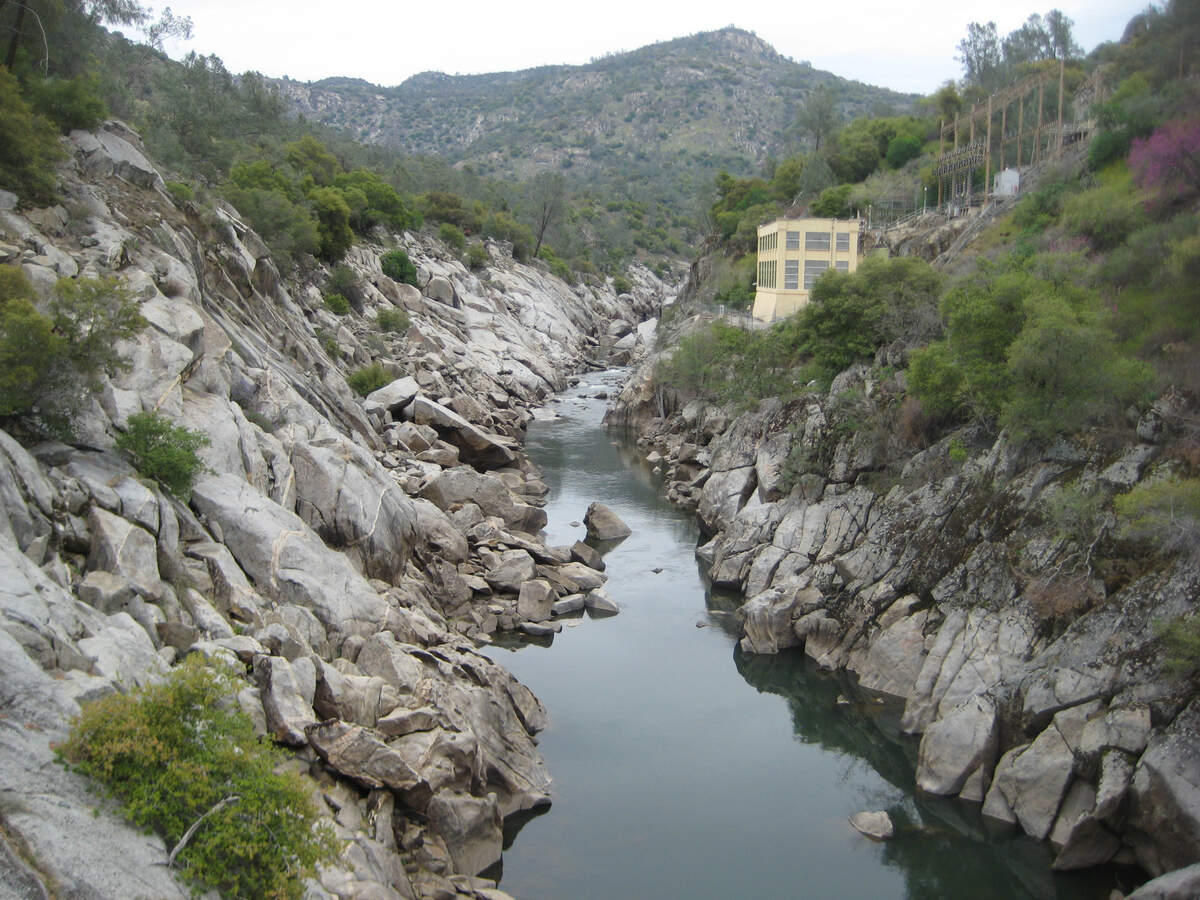
On the San Joaquin River between Mammoth Pool and Millerton Lake, PG&E produces hydroelectric power through Kerckhoff Dam and two powerhouses. Before reaching Millerton, water released from Kerckhoff Dam flows downstream through the San Joaquin River Gorge Special Recreation Management Area, roughly 6,700 acres of federally owned land that straddles Fresno and Madera counties.
PG&E’s license to operate the Kerckhoff Hydroelectric Project expired in 2022, compelling the utility company to undergo a re-licensing process overseen by the Federal Energy Regulatory Commission.
During that process, the Bureau of Land Management (which manages the San Joaquin River Gorge), U.S. Forest Service, National Park Service, U.S. Fish and Wildlife Service and California Department of Fish and Wildlife all placed new conditions on PG&E’s dam operations designed to boost public safety and enhance the ecological health of the river system.
Such conditions are commonplace on California rivers, including those where PG&E produces hydroelectricity. But rather than agree to follow them for Kerckhoff Dam, the utility filed for a special Department of the Interior hearing to bring several of those conditions into dispute.
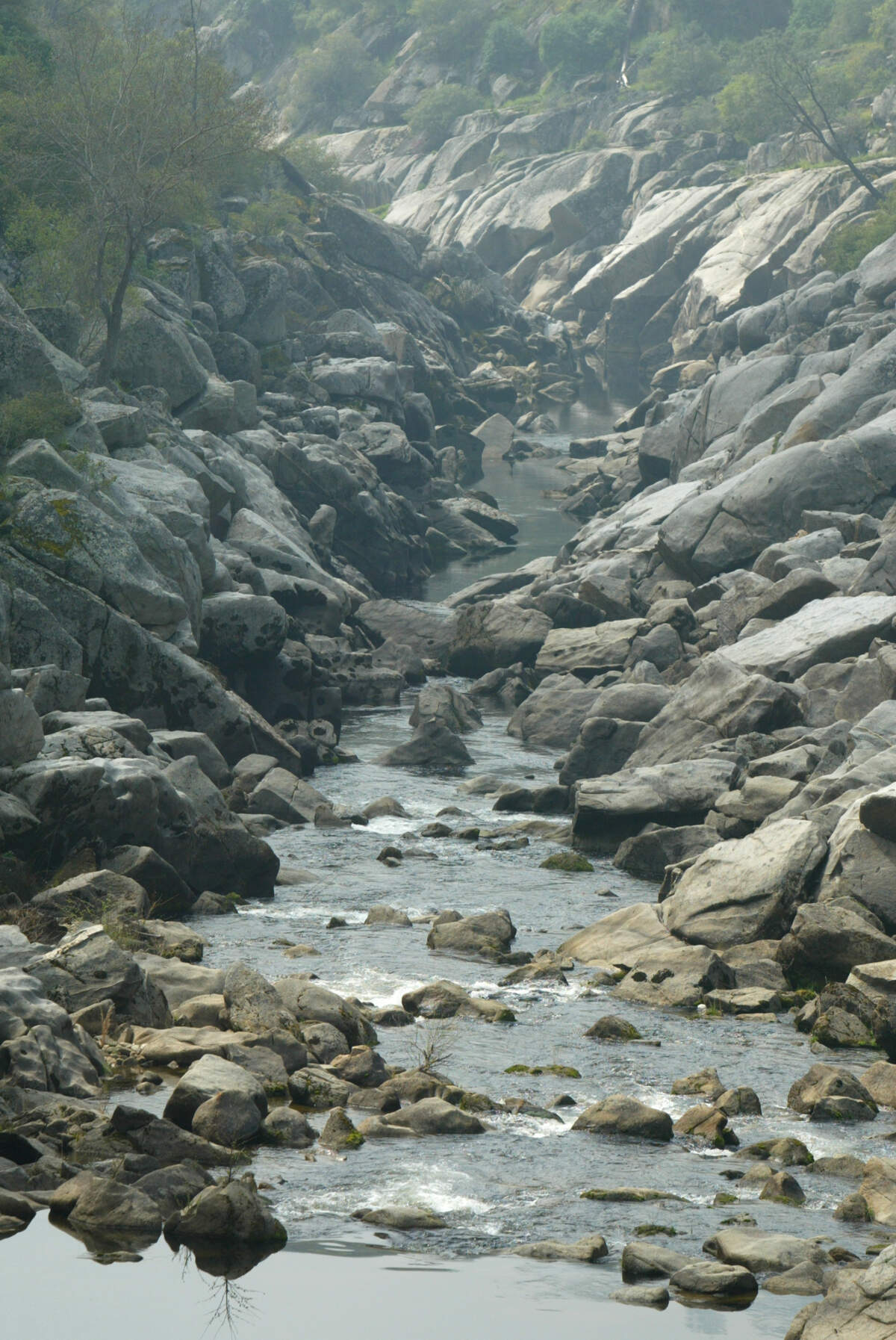
Because flows are controlled by an upstream dam, river levels in the San Joaquin River Gorge are erratic. In the span of 15 minutes, a relative trickle can become a raging torrent.
As its name implies, the gorge is narrow and lined with slippery boulders and bedrock. Not an especially hospitable place to be when a wall of water appears without warning.
“If you’ve spent any time in that gorge, the thought of that big a flow change in that short of a time is terrifying,” Steindorf said.
Sudden releases blamed in death
Sudden dam releases into the San Joaquin River Gorge are blamed for the May 2018 death of Jared Gardner. The 18-year-old was among a group of Clovis teens swept away by multiple surges of fast-moving water.
On the day Gardner drowned, American Whitewater says releases from Kerckhoff Dam increased from 35 cubic feet per second to 5,989 cfs in less than an hour. Enough water to raise the level of the San Joaquin by 7 ½ feet below the dam. Miles downstream in the narrow gorge, that 7 ½ feet translates to 15 feet.
“There’s no other river in the state that I know of that sees those kinds of fluctuations — especially one that goes into a heavily used recreation area,” Steindorf said. “I’m astounded there haven’t been more fatalities.”
More than 85,000 people (many of them from Fresno and Clovis) visit the San Joaquin River Gorge every year to hike, fish, hunt and ride mountain bikes and horses. Access to the river is poor, partially due to the challenging terrain.
American Whitewater previously called upon federal agencies to amend PG&E’s license for the Kerckhoff Hydroelectric Project “before anyone else is hurt or drowned by PG&E’s erratic water releases.”
Now, the BLM and other agencies have joined in. As a condition of PG&E’s re-license with FERC, they’ve required the utility company to implement a “ramp up” rate of no more than 1 foot of water per hour (when measured below the dam) under specified conditions.
“Many hydroelectric projects licensed by FERC have ramping rate requirements to protect aquatic resources and public safety,” the BLM wrote in its official justification. “Moderate changes in flow are the most effective way to communicate that flows are changing, prompting people to move to safer locations.”
PG&E’s assertions challenged
PG&E did not reply to my questions about why it is standing in the way of basic safety measures in the San Joaquin River Gorge. In response to prior media inquiries, the company attributed the fluctuating releases to upstream dams “beyond their control” specifically the Big Creek Hydroelectric Project operated by Southern California Edison.
That’s only partially true and nowhere close to the whole story.
Using data from the California Department of Water Resources, American Whitewater has documented instances where the “flow spikes” from Kerckhoff Dam far exceeded the capacity of Big Creek Powerhouse No. 4 upstream — strongly indicating that water passing through the Big Creek project was not solely responsible for surges in the river gorge.
In addition, the nonprofit produced a series of graphs showing PG&E has enough storage capacity in Kerckhoff Reservoir to mitigate extreme fluctuations with better coordination with So Cal Edison over how much water is headed downstream.
“We’re not talking about anything outlandish here,” Steindorf said. “People have the right to expect that they can safely recreate in rivers below PG&E’s dams.”
PG&E seems to care about public safety when it suits them. Visitors to the San Joaquin River Gorge shouldn’t put their lives at risk when it doesn’t.