Water is worth fighting over — but the Fresno City Council should give up this dispute
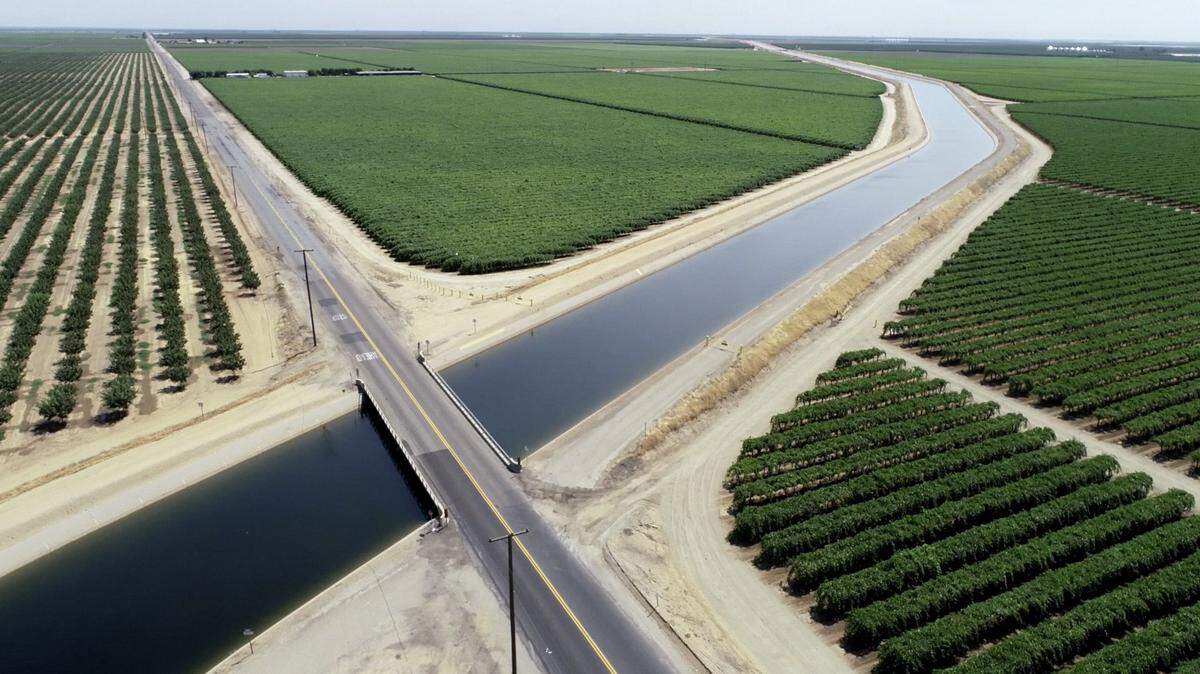
The headline on The Bee’s story was direct but wonky, and did not hint at the real drama that lay ahead: “Fresno City Council votes to sue water agency over costs to repair Friant-Kern Canal.”
Ostensibly, city leaders said they were looking out for Fresno residents by refusing to pony up about $2.5 million to the Friant Water Authority to help fix a section of the canal between Porterville and Delano.
Why, city fathers asked, should Fresnans have to pay to fix a section of canal that does not benefit them? Rather, that stretch of waterway helps farmers in Tulare County.
How can that be fair, they asked.
But beneath the headline and quotes lies the deeper story, and now the City Council on Thursday may reconsider its initial decision to file the lawsuit.
Here’s the background to understand this spat.
Sunken canal
The cause of water problems in California these days is, of course, drought — the one happening now and previous ones, too.
So it was that farmers in the Porterville area had to turn to groundwater pumping to irrigate their crops in the years before 2014, when the state finally began regulating such water use.
So much groundwater got pulled from underground that a section of the Friant-Kern Canal — which runs from Millerton Lake north of Fresno to Kern County — began to sink. When that happened, the water flow slowed down so much that the affected section became a pinch point, keeping deliveries from happening south of that spot.
That meant farmers and others paying for those deliveries were not getting what they signed up for.
The cost to fix the problem: $500 million. Friant Water Authority developed a financing plan. The federal government would pay just over $200 million. The farmers who did the pumping would pay between $125 million and $200 million. The San Joaquin River Restoration Program would kick in $43 million. That left $50 million to be covered by the Friant-Kern contractors, of which the city of Fresno is one.
The authority told the city its share would be about $2.5 million.
But the city manager, Mayor Jerry Dyer, and four members of the City Council balked. Their reasoning: Fresno residents did not cause this problem and should not have to pay. Hence, a lawsuit was filed against the water authority. Fresno is the only Friant contractor to sue over the assigned share of canal repairs.
Fresno has a contract with the federal government for water from Millerton Lake, and ultimately, that is who the city would be suing. That becomes a whole bigger deal.
Committed to pay?
On Wednesday the federal Bureau of Reclamation, the agency that owns Millerton Lake and the Friant-Kern Canal, gave its opinion of Fresno’s lawsuit. The bureau told the city it must pay up because fixing the canal is part of operations and maintenance, as spelled out in the water contract. No exceptions, no excuses — and no refusals.
If the city decides to fight that interpretation, the litigation could well drag out for years in the courts, with the federal government now the key defendant. The resulting cost could wind up way beyond the $2.5 million.
“This would be two decades in the courts and eventually a lawsuit against the bureau,” said Fresno councilman Miguel Arias. He initially voted to file the lawsuit. But now he has had a change of view. “It’s not in the best interest of ratepayers to sue the federal government.”
With assurances from Friant Water that the city’s cost will stay as promised, Arias plans to ask his colleagues on Thursday to drop the lawsuit.
Water wars
At times like this it always helps to remember the famous quote: “Whiskey is for drinking. Water is for fighting over.”
Battles over water are as old as California itself. Fresno gets half its annual supply of water from Millerton Lake. But it took a lawsuit by the city that went all the way to the U.S. Supreme Court for that to happen.
Hopefully, level heads will prevail at Thursday’s council meeting, and Arias will get the majority he seeks to drop the suit.
In today’s water world, alliances and cooperation, not legal battles, are the best way forward. Mother Nature and climate change make it hard enough.
This story was originally published September 29, 2021 at 11:02 AM.