
What does California salmon fishing signify? Not a return to normal | Opinion
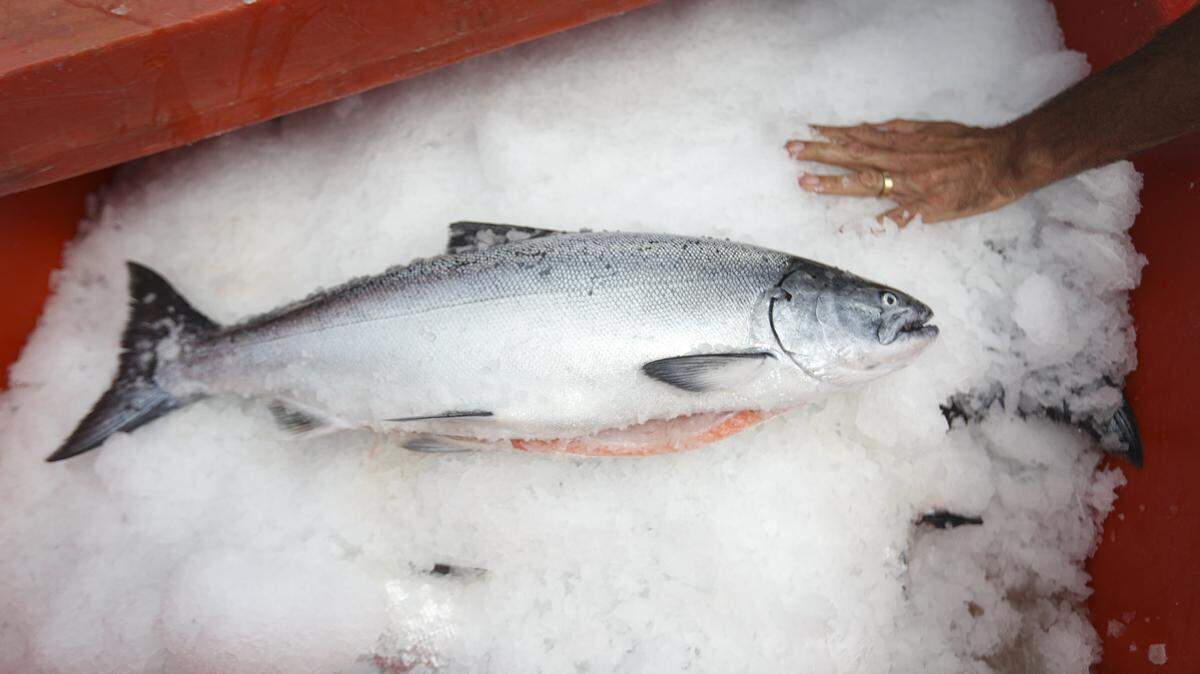
For the first time in three years, California is allowing commercial and increased recreational salmon fishing to resume. For coastal communities, tribal nations and fishermen, that decision brings real relief. It should also sharpen our sense of responsibility.
The closure of the fishery was painful for everyone. I know because I was there helping to make those decisions. But it reflected a reality California could not ignore: Salmon runs that once ranked among the most abundant on the West Coast had been pushed to the brink by drought, warming rivers, shifting ocean conditions and long-standing pressure on habitat and water management.
Conditions have improved enough to allow limited harvest. That’s welcome news, but it would be a mistake to see this rebound as a full recovery. What we are witnessing is not an overnight return to normal, but a fragile reprieve that requires care and attention.
During my time leading the California Department of Fish and Wildlife, these were the kind of tradeoffs we faced constantly: meeting the immediate needs of people while protecting the long-term health of the ecosystems they depend on. That balancing act is only getting harder. Climate change is reshaping river systems, droughts are increasingly severe and water management decisions carry higher stakes. The state is also home to more people than 50 years ago.
Salmon remain an honest indicator of how we’re doing. They depend on cold, clean, connected rivers from mountain headwaters to the ocean. When those systems falter, salmon decline. When we get them right, salmon can recover.
Turning this moment into a durable recovery will require sustained focus in a few areas. One can also look to California’s only concise place to find the recipe for recovery, “The California Salmon Strategy for a Hotter, Drier Future.”
First, California needs to move faster on and scale up habitat restoration. Across the state, there are promising efforts to reconnect floodplains, restore spawning habitat and improve river flows. These projects deliver measurable benefits for salmon and other species.
We’ve seen what is possible when we think at the right scale, including the dam removal on the Klamath River that reopened hundreds of miles of habitat. The task is now to apply those efforts across California.
Second, water management must continue to evolve. Salmon cannot survive without enough cold water at the right times of year. That will require increased coordination across agencies, integration of groundwater management and a willingness to manage water for ecological health alongside human use. This is not an either-or choice. California’s long-term prosperity depends on finding durable solutions that support both thriving salmon runs and a resilient water system.
Third, the state needs to stay disciplined about science and adaptive management. The conditions that led to the closure developed over years, shaped by ocean conditions, outdated ocean fisheries management, freshwater habitat and broader climate patterns. Reopening the fishery should be paired with rigorous monitoring, new technologies and a readiness to adjust quickly if warning signs reappear.
Finally, partnership is essential. Progress depends on collaboration that moves beyond conflict and toward shared solutions. Among all partnerships, tribal leadership in decision-making must continue to grow.
California has the capacity to lead in a climate resilient future where restored rivers meet the water needs of communities and wildlife. Salmon can symbolize our unifying goal — one that brings together diverse interests around a shared vision of healthy rivers and sustainable economies.
There is reason for cautious optimism, but optimism alone won’t sustain salmon runs. Whether this moment becomes a turning point or a temporary reprieve will depend on what happens next. If we maintain our commitment, leverage actionable, science-backed solutions and work collaboratively, we can ensure these iconic fish remain a fixture of California’s natural heritage for generations to come.
Charlton “Chuck” Bonham is executive director of The Nature Conservancy in California.
This story was originally published May 21, 2026 at 5:00 AM with the headline "What does California salmon fishing signify? Not a return to normal | Opinion."