
This California assembly bill could spark a resurgence in toxic indoor smoking culture | Opinion
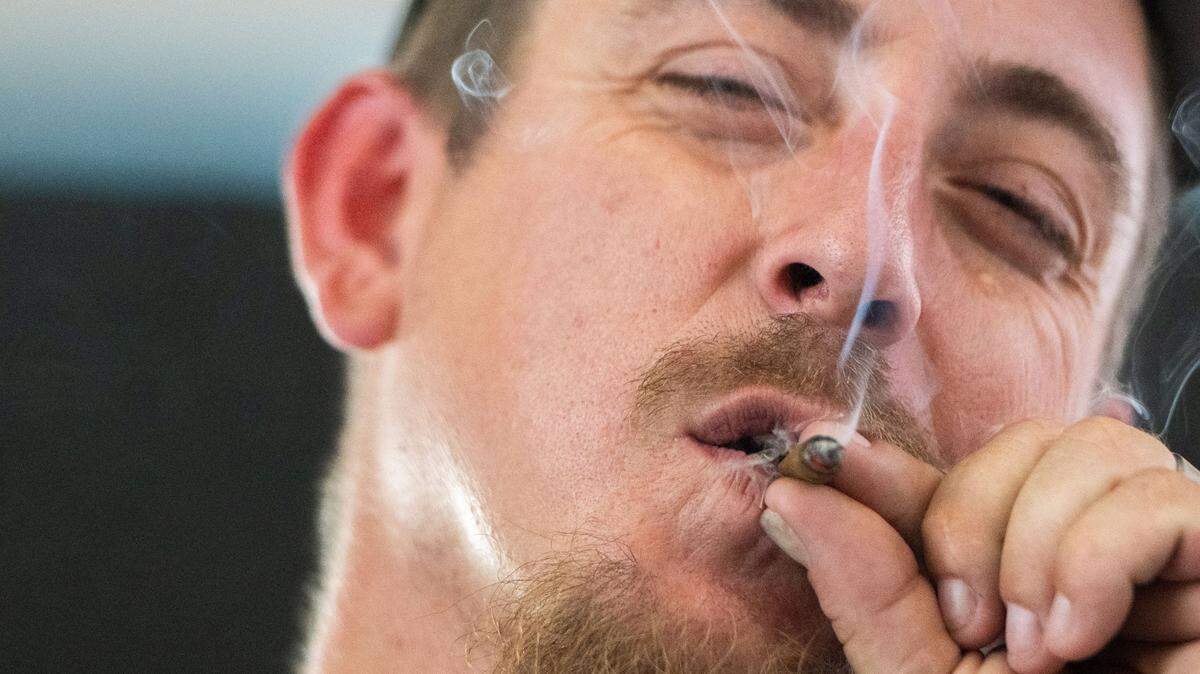
Nearly 30 years ago, our state earned its reputation as “America’s Non-Smoking Section” when state leaders acted to prohibit smoking in almost every indoor public space. Today, our nation needs California to be a champion against efforts to roll back hard-won protections for our right to breathe clean, smoke-free air.
I remember the days when smoking was widespread and widely accepted, with people lighting up cigarettes everywhere — from restaurants to airplanes and even medical offices. Thankfully, Californians have banded together to support smoke-free laws protecting them and their loved ones.
Along with other tobacco control policies, smoke-free laws have slashed the smoking rates in the country, bringing overall tobacco use to historically low levels. One of the most significant impacts of smoke-free policies is the cultural shift around smoking indoors, contributing to reduced tobacco use initiation, especially among youth, as well as increased quit attempts by people who smoke.
Assembly Bill 1775, authored by Asm. Matt Haney, D-San Francisco, threatens decades of progress in creating safe, smoke-free environments and curbing tobacco use. It also violates Proposition 64, the voter-approved law that legalized the recreational use of cannabis, which explicitly states that smoking marijuana is prohibited anywhere where smoking tobacco is prohibited.
If Gov. Gavin Newsom signs this bill, it would allow cities and counties to permit cannabis retailers where smoking is allowed to serve food and beverages. This turns cannabis dispensaries into cannabis cafes, undermining the state’s smoke-free restaurant law and making it harder to enforce. This could lead to a resurgence in indoor smoking culture, putting the health of our communities at risk.
People of color, limited-income individuals and those living in rural areas are more likely to be exposed to secondhand smoke and its adverse effects.
Imperial County — where 86% of the population is Hispanic and the median household income is just over $57,000 — has one of California’s highest rates of children’s hospitalizations and emergency room visits due to asthma. Many exasperated parents who refuse to see their kids continue to suffer through asthma or allergy attacks triggered by secondhand smoke have joined the American Cancer Society Cancer Action Network to help secure crucial public health victories, including the recent passage of an ordinance in the City of Imperial prohibiting outdoor smoking in city-owned public events and recreational areas.
As Americans continue to use marijuana at higher rates than cigarettes and alcohol, California must build upon smoke-free policies, not chip away at them. The rate of secondhand marijuana smoke exposure among California adults has been increasing over the last few years. Youth exposure trails closely behind, with over 21% of high school students reporting exposure to marijuana smoke in a car or room and nearly 14% reporting exposure outside of a restaurant.
Secondhand marijuana smoke poses serious health risks like those of secondhand tobacco smoke. It contains many of the same carcinogens and toxic chemicals and has higher levels of fine particulate matter, which can cause cardiovascular disease, lung irritation and asthma attacks. Additionally, secondhand marijuana smoke contains THC and exposes non-users to its psychoactive effects.
To be clear, there’s no safe level of exposure to marijuana smoke, even outdoors. The main difference between this bill and the one Newsom vetoed last year (AB 374, also authored by Haney) is that it offers ineffective responses such as warnings of the presence of smoke, requiring employers to provide masks to employees and suggesting ventilation systems.
However, according to the Centers for Disease Control and Prevention, secondhand smoke will still seep through ventilation systems, plumbing, cracks in walls, floors and even electrical lines. The only safeguard against secondhand smoke is not to allow it.
It can be deeply disheartening to see legislators prioritize the marijuana industry’s profits over Californians’ health, with little or no regard for the broader implications of AB 1775 on the enforcement of smoke-free laws, tobacco use and the cancer burden.
On behalf of cancer patients, survivors and advocates across the state, I urge Newsom to veto this bill — an egregious attempt to weaken the smoke-free laws that California has proudly pioneered. His decision will tremendously impact all Californians. He should prioritize our health over industry interests.
This story was originally published September 6, 2024 at 9:23 AM with the headline "This California assembly bill could spark a resurgence in toxic indoor smoking culture | Opinion."