Why is fog so bad in Fresno right now? Learn causes and driving safety tips
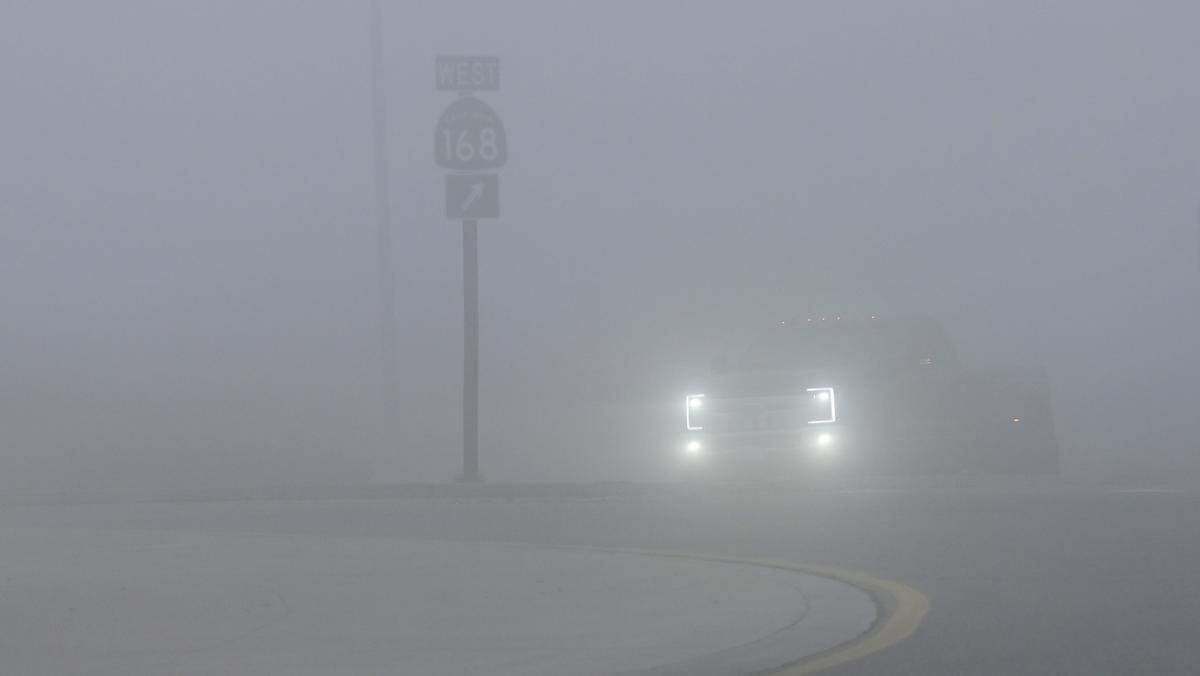
Thick, heavy fog has been blanketing California’s Central Valley for weeks, reducing visibility on roads and obscuring street signs.
“The signs might be harder to read in the fog, but they’re still there,” the California Highway Patrol in Fresno said in a Monday, Feb. 2, post on Facebook, sharing photos of an overturned car in a foggy field.
“We don’t want your vehicle sent out to pasture … figuratively or literally,” the CHP said, urging drivers to slow down, buckle up and turn on their lights in dense fog.
As of Wednesday, the Fresno area was under a dense fog advisory, The Fresno Bee previously reported.
Visibility could be a quarter mile or less in the thick fog, the National Weather Service said in the advisory, dropping “down to zero” in a “worst case scenario.”
Why is the fog so bad in Fresno this time of year? And how dangerous is it?
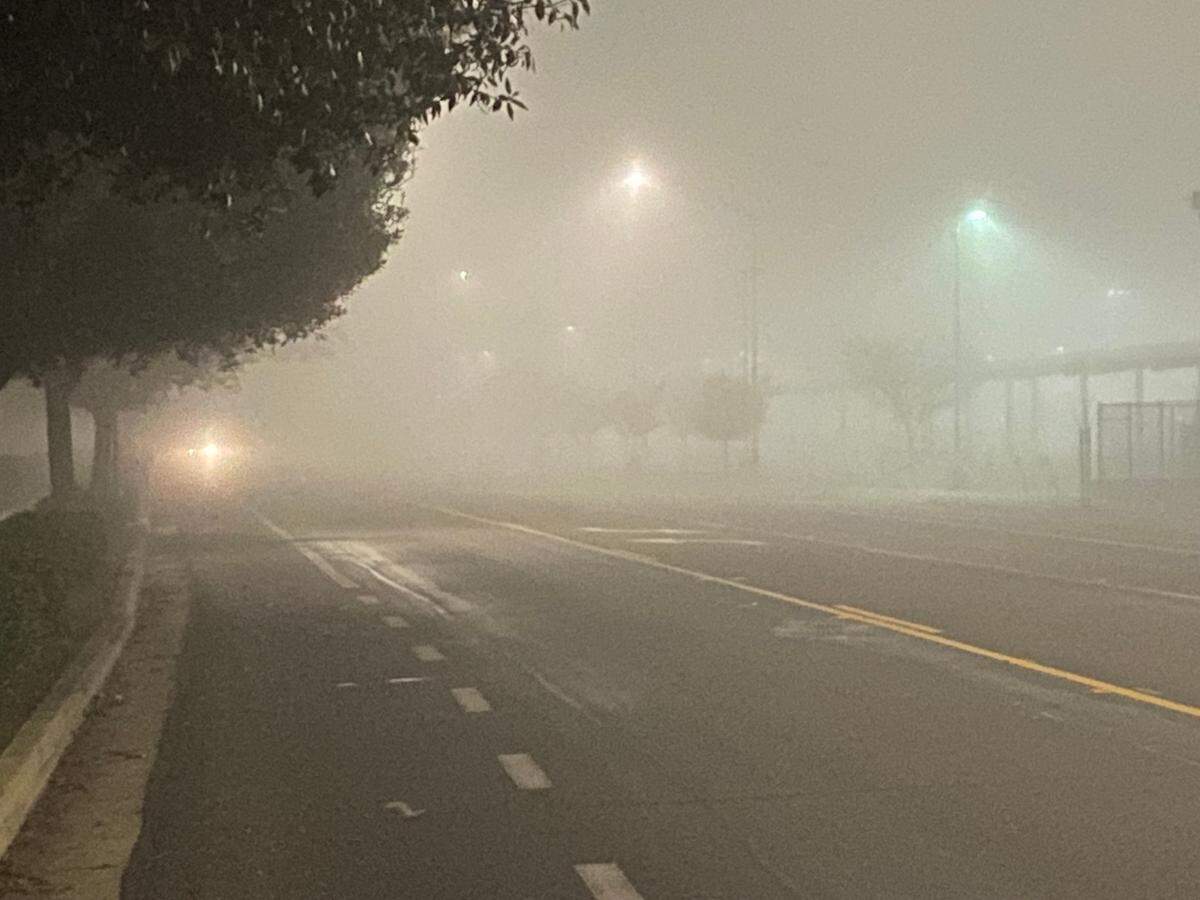
What causes ground fog?
Radiation fog, also known as ground fog or sometimes valley fog, “forms at night under clear skies with calm winds when heat absorbed by the earth’s surface during the day is radiated into space,” the National Weather Service said on its website.
If there’s a deep enough layer of moist air near the ground, fog will form as the earth’s surface cools and humidity reaches 100%, the weather service said.
“Radiation fog varies in depth from 3 feet to about 1,000 feet and usually remains stationary,” the weather service said. “This type of fog can reduce visibility to near zero at times and make driving very hazardous.”
These low-lying clouds typically form in the Valley during the colder months when winds are light and the soil is moist.
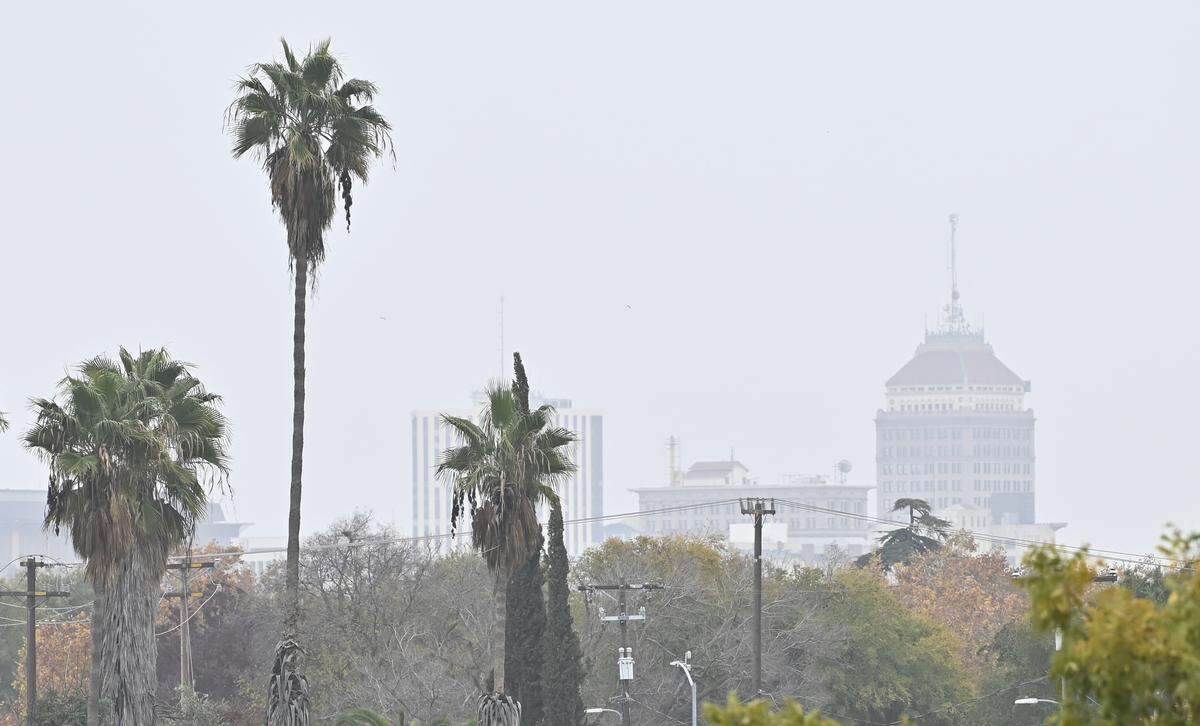
What is tule fog?
“The Central Valley is fertile ground for the formation of tule fog, a persistent radiation fog, in late autumn and winter,” NASA said.
The weather phenomenon gets its name from a marsh plant that grows in the region, NASA said.
Tule fog becomes especially dense when moist marine air, calm winds and clear skies come together.
“The perfect recipe for radiation fog ... is for there to be low-level moisture, clear skies and light winds,” former National Weather Service forecaster Jan Null, a professor of meteorology at San Jose State University, previously told The Sacramento Bee.
Null said the area’s early fall weather patterns caused a perfect storm for a particularly heavy fog year.
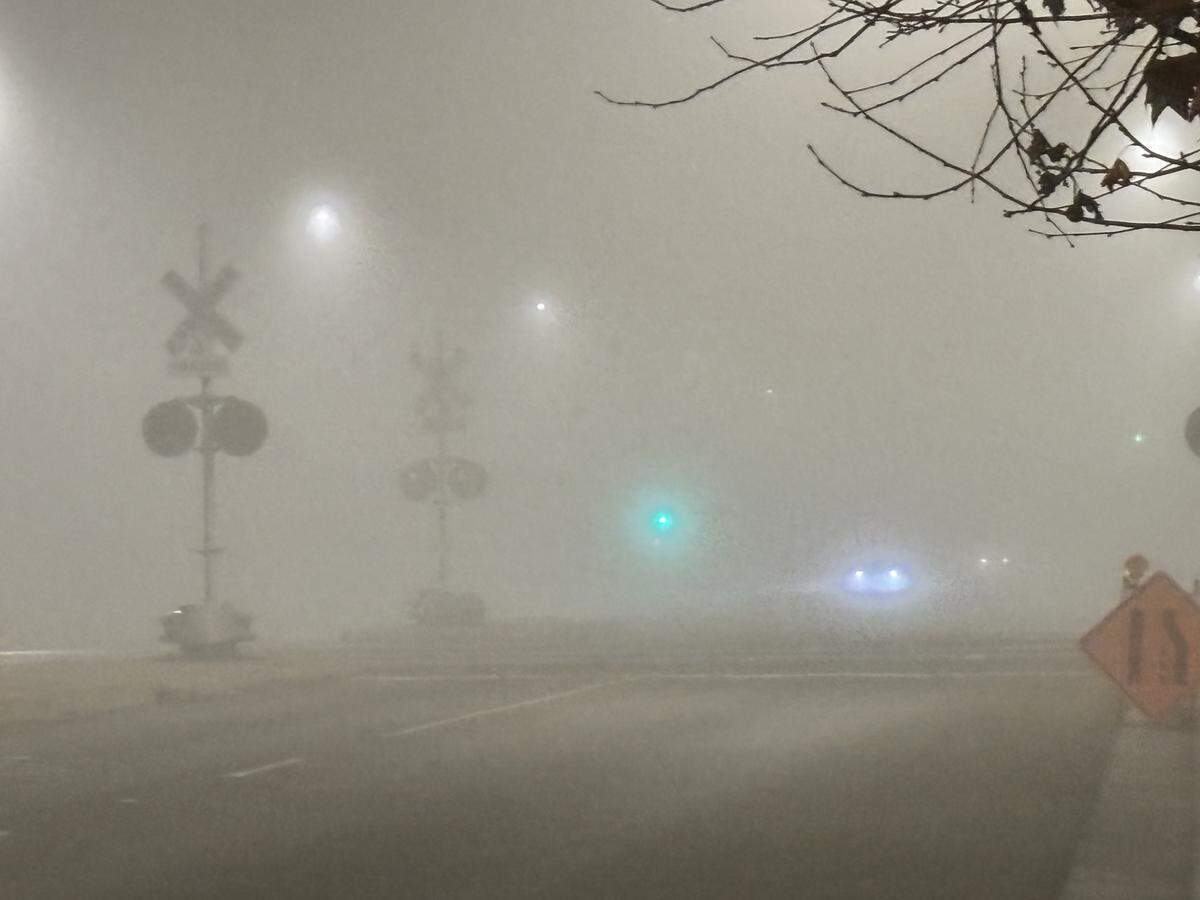
Why is the fog so bad in Fresno area?
Other conditions can contribute to dense fog, according to Brian Ochs, a meteorologist at the National Weather Service in Hanford.
“Right now we’re seeing remnant moisture from agricultural activity and previous storms from last month,” Ochs told The Fresno Bee. “Basically there’s a lot of moisture, allowing for fog to develop each night for several days in a row and reducing visibility quite a bit, near zero or less than 100 feet of visibility.”
The number of foggy days had far exceeded the average for each month since October, Ochs said.
“We’re usually looking at 26 days for the whole cool season, from October through April,” he said. “We’ve had over 30 already since October.”
There’s usually less than one foggy day in October, Ochs said. There were two foggy days this past October.
That trend repeated each month after that, he said.
According to Ochs, November saw five foggy days, compared to four per month on average.
December had nine foggy days, he said, noting that the monthly average is eight.
Ochs said January saw a jaw-dropping 16 days of fog, verus a monthly average of nine.
As of Wednesday, Feb. 4, Fresno had seen four days of fog, according to Ochs. The area usually sees four foggy days over the entire month.
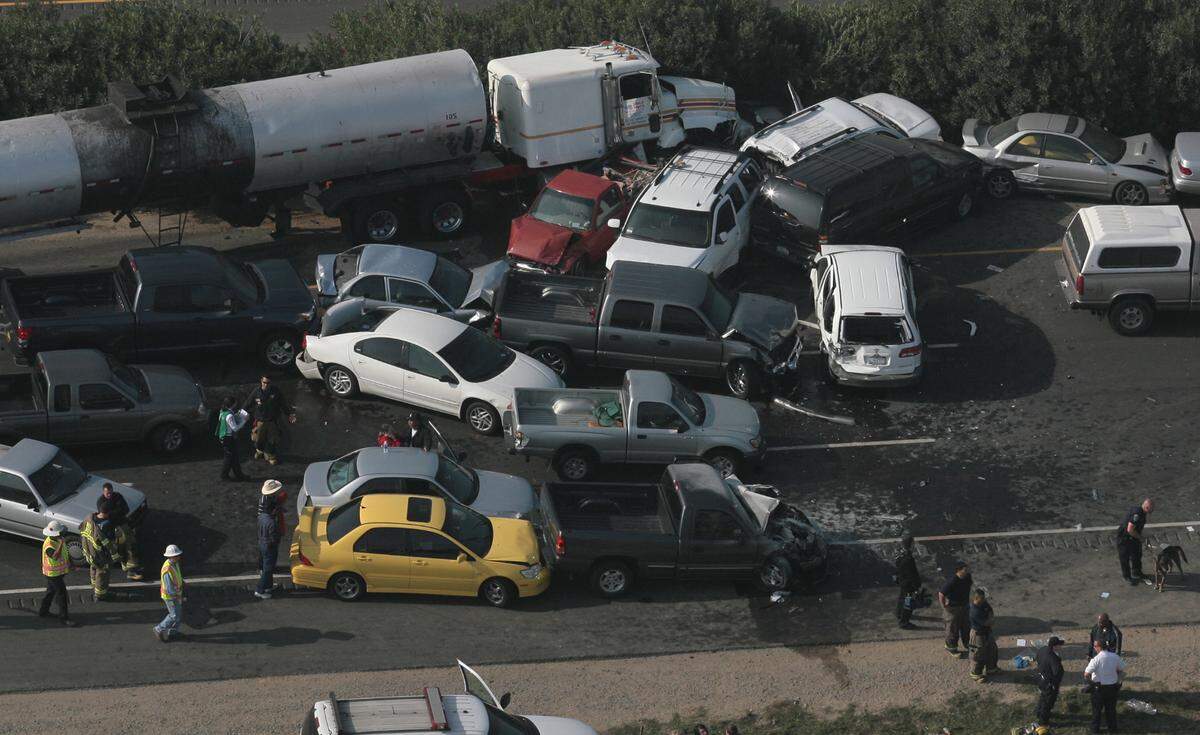
How common are fog-related crashes?
More than 38,700 car crashes occur in fog each year across the country, according to the U.S Department of Transportation’s Federal Highway Administration.
More than 600 people are killed in fog-related crashes each year, the federal road agency said, while more than 16,300 people are injured in these crashes annually.
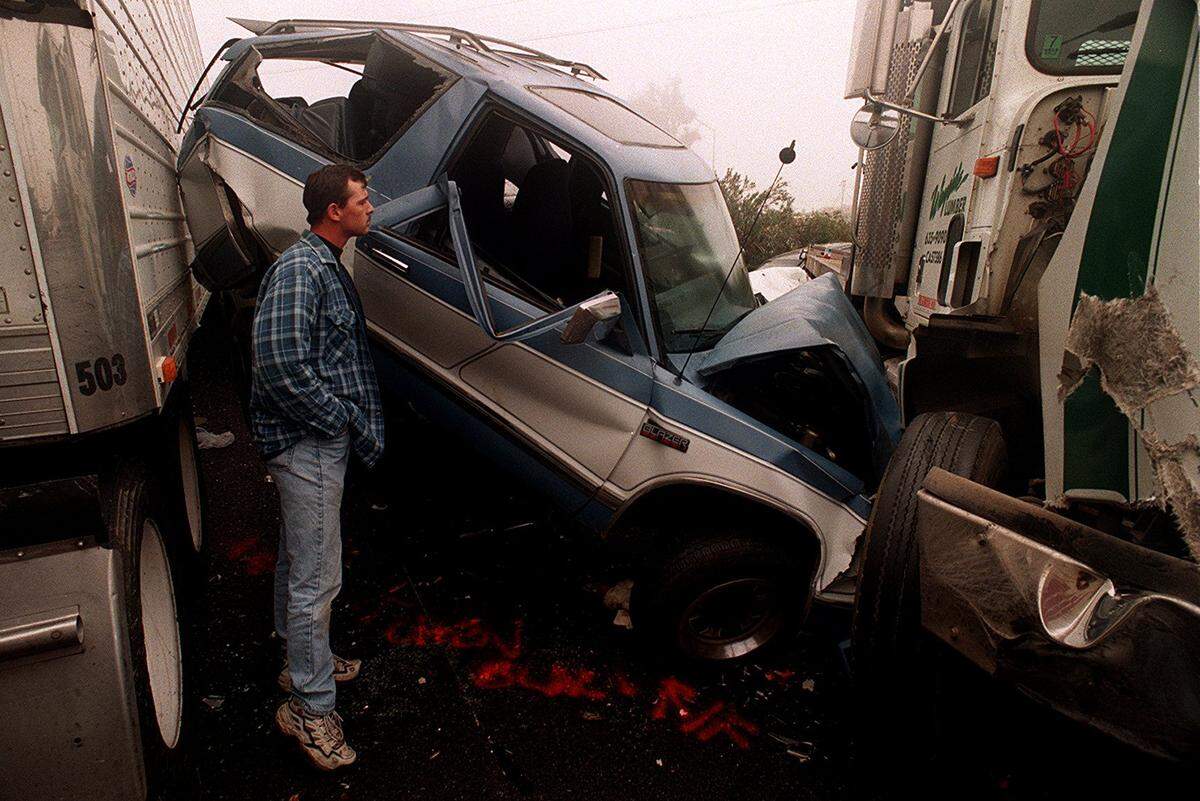
Fresno has a long history of fog-related collisions on highways.
On Jan. 11, 17 cars piled up on Highway 99 after visibility got down to about a dozen feet, The Bee previously reported. A 61-year-old driver was killed in the crash.
Another driver recently had a close call while driving in the Fresno area amid thick fog, according to the CHP.
“In fog like this, you don’t see danger until it’s right in front of you,” the CHP said in a Wednesday Facebook post, sharing photos of a silver pickup truck with its hood just underneath the belly of a tanker truck.
“With low visibility, the tanker driver believed he could cross lanes of approaching traffic on Manning (Avenue),” the CHP said. “He was wrong!”
“The approaching Tacoma didn’t see the diesel tanker pull into the intersection directly into his path until the last moment,” the agency said. “Thanks to his reduced speed in the fog, the driver was able to brake just enough to avoid what could have been a deadly crash. But instead everyone walked away virtually unharmed.”
The agency urged drivers to use extreme caution among the fog.
“Remember: if you can’t see them, they can’t see you. When visibility is limited, sometimes taking a safer path or delaying your trip is safer than risking everything,” the agency said. “Take it from a lucky survivor…. Slow down and buckle up, because next time, the dense fog mixed with unsafe speed might not give you a second chance.”
How long will fog last in Fresno area?
The Fresno area will remain under a dense fog advisory through noon on Thursday, Feb. 5, The Bee previously reported.
Communities impacted by the dense fog advisory included Fresno, Merced, Los Banos, Hanford, Selma, Tulare, Visalia, Delano, Bakersfield and Taft.
“Low visibility will make driving conditions hazardous,” the weather service said.
Roads expected to see “very high transportation risks” included Interstate 5, Highway 99, Highway 41 and Highway 180, according to the agency.
Dense fog was forecast to blanket the San Joaquin Valley each morning this week with visibility down to zero, and could continue through at least Friday, according to the National Weather Service’s area forecast discussion.
Safety tips for driving in foggy conditions
When the fog is thick, experts say you should use extra caution on the road or avoid driving if possible.
If you must drive in foggy conditions, keep the following safety tips in mind, the National Weather Service said:
- Slow down and allow extra time to reach your destination.
- Make your vehicle visible to others both ahead of you and behind you by using your low-beam headlights. Use fog lights if you have them.
- Never use your high-beam lights, as this causes glare.
- Leave plenty of distance between you and the vehicle in front of you to account for sudden stops or changes in the traffic pattern.
- To ensure you are staying in the proper lane, follow the lines on the road with your eyes.
- In extremely dense fog where visibility is near zero, turn on your hazard lights, then pull into a safe location such as a parking lot and stop.
- If there is no parking lot or driveway to pull into, pull your vehicle off to the side of the road as far as possible. Once you come to a stop, turn off all lights except your hazard flashing lights, set the emergency brake, and take your foot off of the brake pedal to be sure your tail lights are not illuminated.
The Fresno Bee’s Fernanda Galan contributed to this story.