Dense fog locks Fresno, Central Valley. When will it be safer to drive?
Dense fog could make driving dangerous in Fresno and other Central Valley cities, according to the National Weather Service.
The National Weather Service issued a dense fog advisory on Tuesday, Feb. 3, of thick fog and extremely low visibility overnight.
The dense fog advisory, which goes into effect at 10 p.m. Tuesday, impacts Fresno, Merced, Los Banos, Hanford, Selma, Tulare, Visalia, Delano, Bakersfield and Taft.
Modesto and Stockton will also be under a dense fog advisory starting at 10 p.m. Tuesday, the weather service said.
Visibility could be down to a quarter mile or less in the thick fog, the weather service said in the advisory, dropping “down to zero” in a “worst case scenario.”
The weather service previously issued a dense fog advisory that expired at noon Tuesday, The Fresno Bee previously reported.
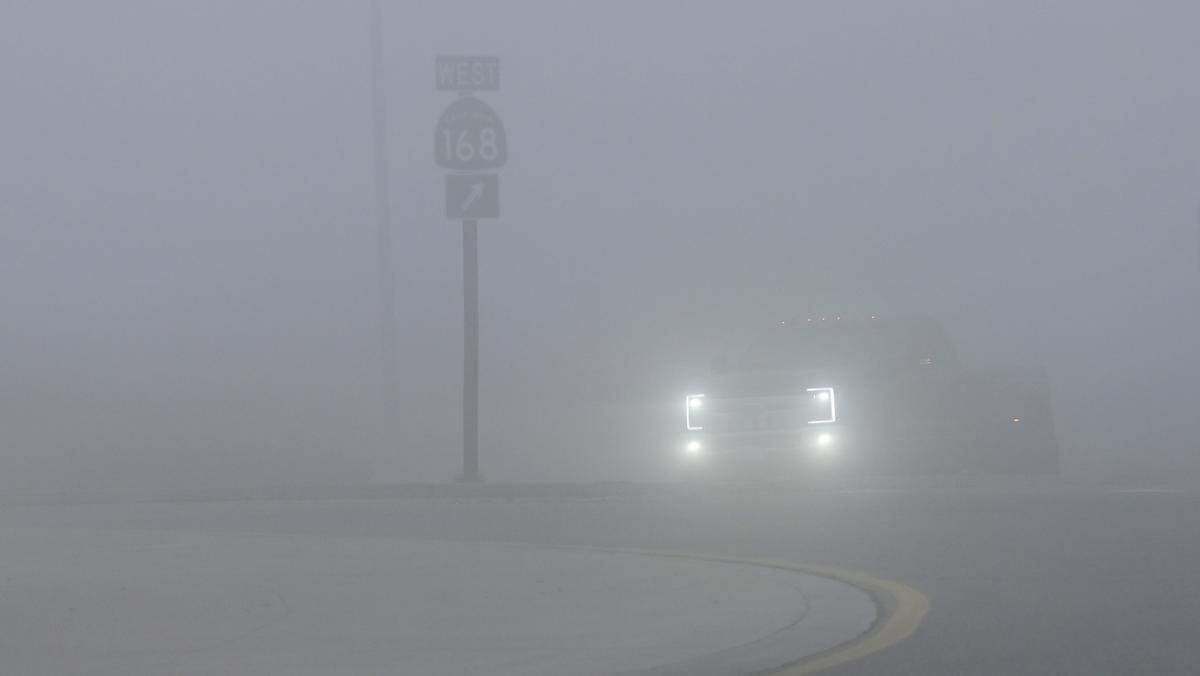
How long will fog last in Fresno?
In the Fresno area, the latest dense fog advisory was expected to expire at noon Thursday, Feb. 5.
“Low visibility will make driving conditions hazardous,” the weather service said. Roads expected to see “very high transportation risks” included Interstate 5, Highway 99, Highway 41 and Highway 180, according to the agency.
“Widespread dense fog” was expected after 11 a.m. Tuesday, when the low temperature will drop to 44 degrees or so, according to the National Weather Service’s latest seven-day forecast.
The fog was forecast to linger until about 11 a.m. Wednesday. After that, it will gradually lift to reveal sunny skies, the weather service said.
Dense fog will blanket the San Joaquin Valley each morning this week with visibility down to zero, according to the National Weather Service’s area forecast discussion.
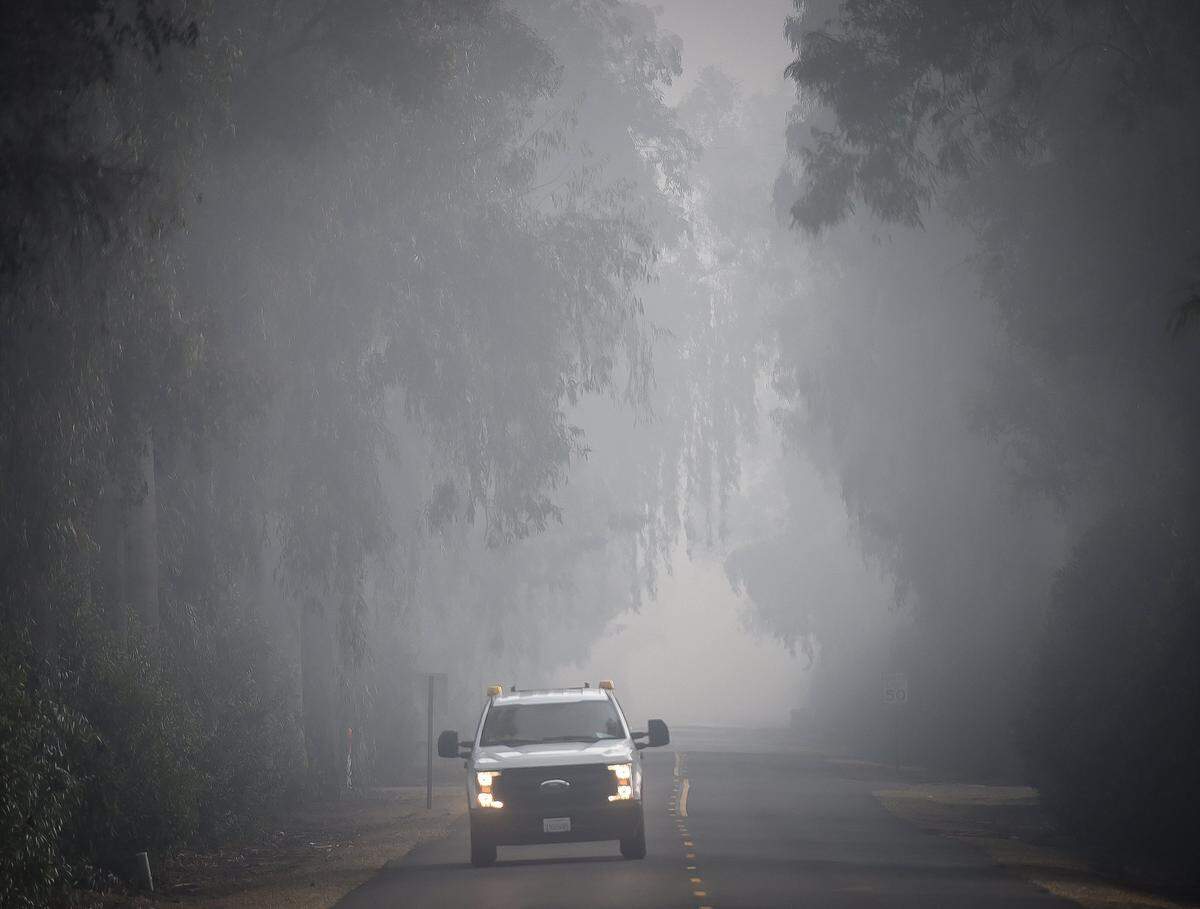
When will dense fog end in Modesto and Stockton?
Modesto and Stockton were expected to see fog until 10 a.m. Wednesday, the weather service said.
Why is it so foggy in the Central Valley?
These low-lying clouds typically form in the valley during the colder months when winds are light and the soil is moist.
Tule fog becomes especially dense when moist marine air, calm winds and clear skies come together.
“The Central Valley is fertile ground for the formation of tule fog, a persistent radiation fog, in late autumn and winter,” NASA said.
“The perfect recipe for radiation fog ... is for there to be low-level moisture, clear skies and light winds,” said former National Weather Service forecaster Jan Null, a professor of meteorology at San Jose State University.
Null said the area’s early fall weather patterns caused a perfect storm for a particularly heavy fog year.
Driving in foggy conditions
Take extra caution when on the road or avoid driving if possible. If you must drive in foggy conditions, keep the following safety tips in mind, the National Weather Service said:
- Slow down and allow extra time to reach your destination.
- Make your vehicle visible to others both ahead of you and behind you by using your low-beam headlights since this means your taillights will also be on. Use fog lights if you have them.
- Never use your high-beam lights. Using high-beam lights causes glare, making it more difficult for you to see what’s ahead of you on the road.
- Leave plenty of distance between you and the vehicle in front of you to account for sudden stops or changes in the traffic pattern.
- To ensure you are staying in the proper lane, follow the lines on the road with your eyes.
- In extremely dense fog where visibility is near zero, the best course of action is to first turn on your hazard lights, then simply pull into a safe location such as a parking lot of a local business, and stop.
- If there is no parking lot or driveway to pull into, pull your vehicle off to the side of the road as far as possible. Once you come to a stop, turn off all lights except your hazard flashing lights, set the emergency brake, and take your foot off of the brake pedal to be sure the tail lights are not illuminated so that other drivers don’t mistakenly run into you.