New storm brings more water to Valley, but even greater potential flood danger lies ahead
The latest atmospheric river storm soaking Central California is pouring more rain on already saturated soil throughout the region, testing the ability of the ground to absorb the fresh deluge.
In the southern Sierra Nevada range on the east side of the San Joaquin Valley, it’s additional rain and snow falling atop an already abundant snowpack that worries a climate scientist who’s keeping close tabs on the weather — not as much for renewed flooding directly related to Tuesday’s storm, but for what happens when all that snow in the mountains melts in the coming weeks and months.
The current storm — one forecast to be less intense than the one that hit over the past weekend — arrived late Monday night and is expected to continue into Wednesday. Daniel Swain, a climate scientist at UCLA’s Institute of the Environment and Sustainability, said some Valley rivers and streams will see flooding from this storm. But floods will be less a matter of fresh rain melting the massive volume of snow in the mountains than the already sodden conditions of the ground and high flow levels in streams.
“The watersheds are primed,” Swain said this week. “It’s not going to take a whole lot of precipitation to result in immediate runoff and rises on rivers and streams and flooding of urban areas.”
Melting snow was one of the primary concerns of emergency officials up and down the central San Joaquin Valley late last week ahead of Friday’s atmospheric river event. Swain said fears expressed by some for massive melting of the record snowpack were overblown. “The snowmelt that did occur was mainly at 1,500 to 3,000 feet of elevation,” Swain told The Fresno Bee this week. “There was a whole lot of rain, including some warm rain on snow.”
And while that did create some flooding for some rivers in the southern San Joaquin Valley — including serious situations along the Kaweah, Tule and Kern rivers that Swain said are typically fast-responding to major rain events with greater potential for flash floods — melting snow “didn’t create widespread flooding problems,” Swain said.
“It’s pretty well understood that you actually can’t melt a deep, cold snowpack by raining on it; that’s not what happens,” Swain said. “If the snowpack is deep enough and cold enough, as it is now and was last weekend … the snowpack has a high capacity to absorb water without melting much at all” and refreeze that rainfall.
These warmer storms bringing rain to the Valley floor and the Sierra foothills are continuing to add to the snow depths at higher elevations. And that, Swain said, continues to push the water content of the current snowpack to even greater levels. “The snowpack is storing more water,” he said. “The snowpack may not be any deeper than last week, but it’s certainly heavier.”
The California Department of Water Resources reports that across the southern Sierra Nevada, the average snow water equivalent — the estimated water content held frozen in the snowpack — has increased by almost 46% over the past month, rising from 37.4 inches on Feb. 13 to 54.8 inches as of Tuesday. The snowpack on Tuesday was measured at 260% of normal for the date, and 249% of the historic April 1 average — considered a benchmark measurement before the snowpack starts to melt and releases its frozen bounty.
“There is a whole hell of a lot of water up there right now stored in the snowpack,” Swain said.
When will it melt?
It’s that spring thaw of the mountain snow that is a greater potential flood concern for Swain.
“There is so much water stored in the southern Sierra snowpack, at or above record levels,” Swain told The Bee. “And we haven’t had a climate as warm as we currently do with a snowpack this large.” An early season heat wave, which has become a more common occurrence in recent years, “could happen in the spring and could cause a lot of this snow to melt quickly.”
“The question isn’t, ‘Will there be snowmelt flooding?’” Swain added, “but more, ‘When will it peak?’”
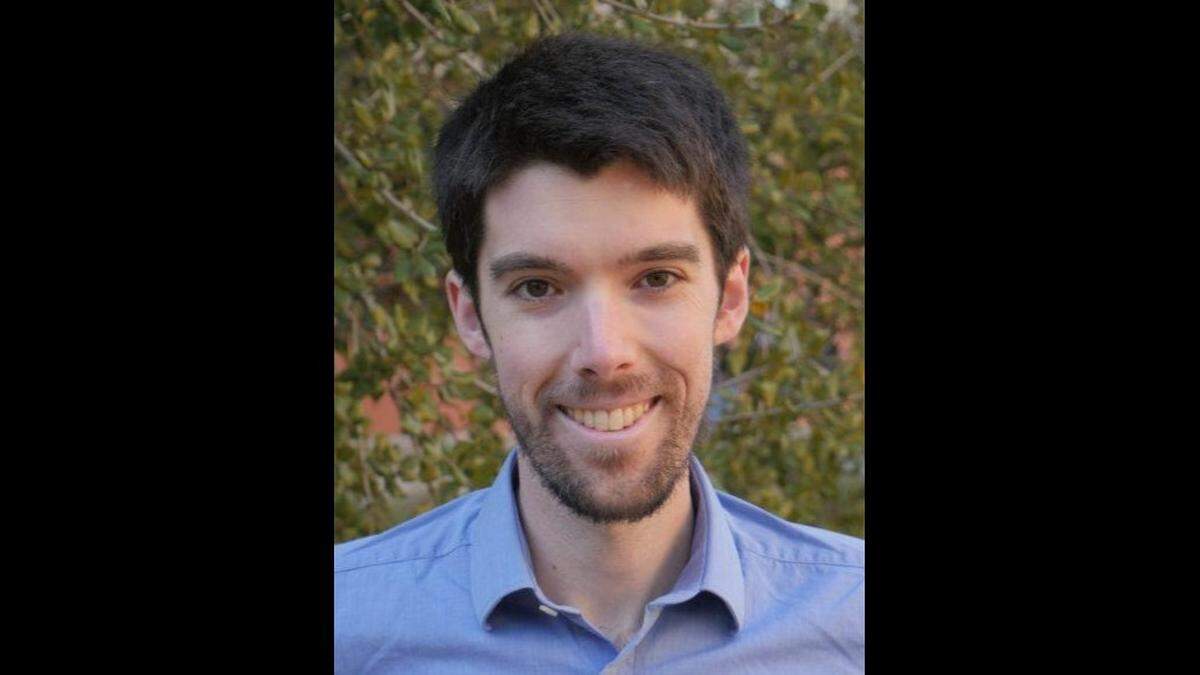
In a video blog Monday, Swain elaborated on the potential. “I’m not particularly concerned about snowmelt flooding this week; it is a growing concern for later this season,” he said. “We’re talking about late March into April, especially, and possibly into May.”
A combination of late-season warm storms, or a prolonged spring heat wave, could generate “significant snowmelt flooding … that is going to be a considerable concern later this spring,” he added.
“Eventually it’s going to happen, and the question is whether it happens quickly versus slowly,” Swain said.
“Is it going to be gradual snowmelt, in which case the flood concerns will be mostly minor? Or is it more rapid? And ‘more rapid’ could mean anything from conditional risk of flooding, minor or moderate flooding, to rapid snowmelt in which case we could be talking about something in the major flood territory.”
Long-term drought relief?
Through Monday, about 16.5 inches of rain have been recorded by the National Weather Service since Oct. 1 at Fresno Yosemite International Airport. But as wet as it’s been, that remains about seven inches shy of the 23.6 inches reported in the 1981-1982 water year — the highest amount in data dating to 1900.
Still, the abundance of rain and snow in the 2022-23 water year has created a sense of optimism over the prospect for bringing an end to several years of drought. But the drought situation is considerably more complex than just one exceptional rainfall season. “It gets at the essence of what is ‘drought’ in a warming climate,” Swain said, noting that drought is more than a mere lack of rain.
“The question more broadly is, is it a lack of water?” he asked. “Does it mean that reservoirs are full or not full? Does it mean that groundwater is replenished or not replenished? Does it mean that the ecological impacts of droughts that have occurred over the past decade are obviated and go away?”
A strict meteorological interpretation of drought is a deficit of rain and snow in a region over the previous 12 to 18 months, Swain said. Under that interpretation, he added, “then no, there’s not going to be a drought in California after this.”
However, that interpretation doesn’t consider the long-term drought effects on ecosystems, Swain said, or the effect of overpumping from the underground water table, and other factors.
“Obviously this makes things a lot better,” Swain stated. “California is not going to see severe drought impacts this year. The water issues that a lot of folks had worried about would get quite acute if the drought continued at its severity from last year.”
Easing the danger of wildfires?
The plentiful snowpack may also provide a respite from the kind of wildfire seasons that have struck higher-elevation forests in the Sierra Nevada, depending on the pace of the snowmelt throughout the spring.
“I think this will be a year where there isn’t much of a fire season at higher elevations, maybe above 6,000 or 7,000 feet,” Swain said. “On the other hand, it’s often the wet years that are the worst fire years at lower elevations because it results in a lot of extra growth of brush and grass.”
Swain said he doesn’t expect the snowpack to melt at higher elevations until the summer, “and so things will remain damp up there all the way through fire season.”
“If we have a nice, long, wet spring and a mild early summer, this could be a fairly mild fire season overall” at lower elevations, he added. “But if we have an early spring heat wave or just a hot summer in general and a windy fall, then we could very well see a severe fire season at low elevations because of all the extra brush, grass, the new dead and downed material … that eventually dry out.”
This story was originally published March 14, 2023 at 1:55 PM.