
What homelessness solutions do Fresno City Council District 1 candidates favor?
Focusing on prevention, better coordination between the city and county and expanding wraparound services are some ideas Fresno City Council District 1 candidates have pitched to address the city's unhoused community and reimagine a largely ineffective anti-camping ordinance.
The ordinance, passed in fall 2024 by the current council, bans sleeping, sitting, lying or storing personal property in public spaces, allowing for arrest as it encourages diversion into drug treatment and provisional housing over criminal charges.
Almost two years later, Fresno’s law is widely viewed as ineffective at reducing homelessness, with minimal participation in treatment diversions among those targeted in its “treatment first” program for those arrested as a diversion to avoid criminal charges.
The Bee recently asked each of the District 1 Fresno City Council candidates in the June 2 primary election to answer a series of questions related to their campaign and positions on local issues, including homelessness. We also hosted a series of candidate forums and recorded them. Those videos, including one focused on how the candidates answered the homeless policy question, are posted at fresnobee.com.
Four candidates are vying for the seat: the city of Fresno’s Americans with Disabilities Act coordinator Joe Hinojosa, former campaign coordinator Monte Forkas, nonprofit leader and Central Unified board trustee Naindeep Singh, and State Center Community College District trustee and federal prosecutor Rob Fuentes.
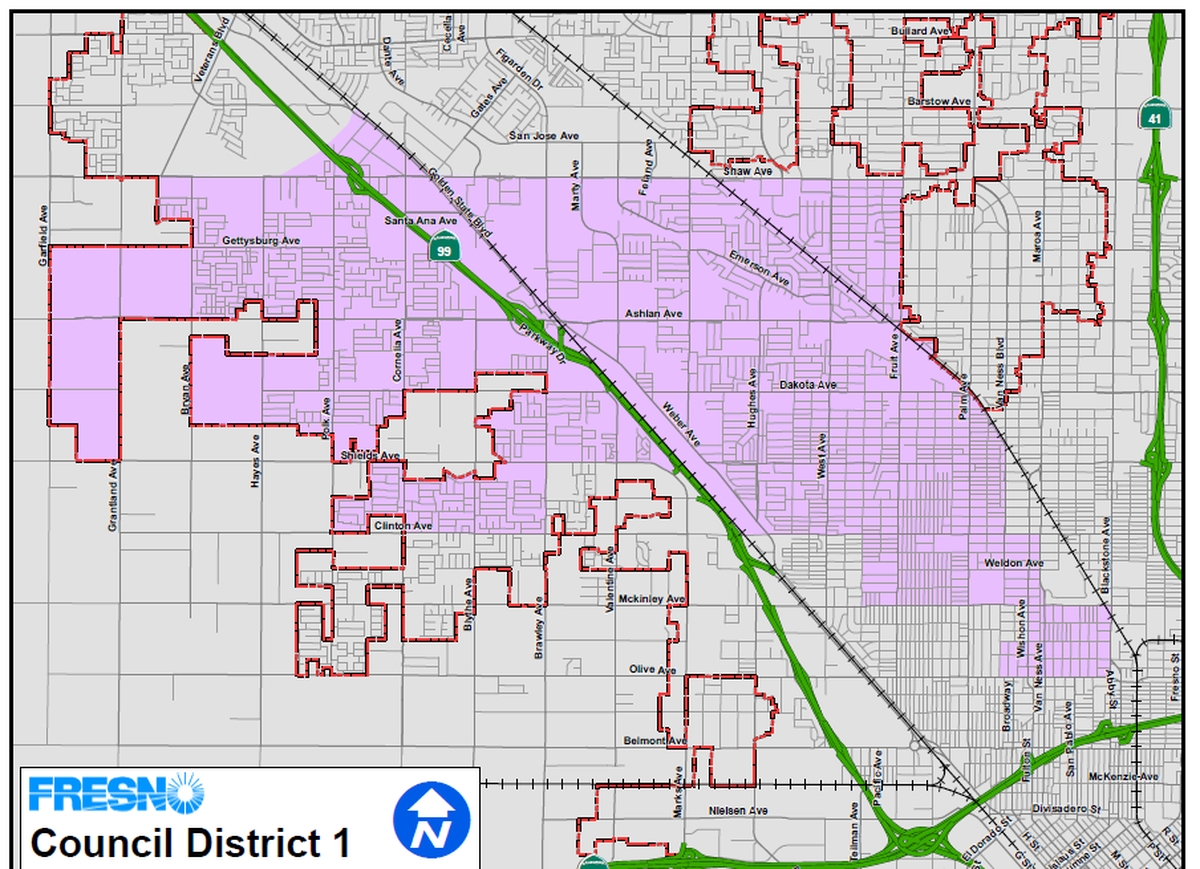
Fresno’s District 1 covers a large portion of northwest and west-central Fresno, including Tower District, the Fresno High area, parts of Fig Garden, and areas west of Highway 99.
Read The Bee’s Fresno City Council District 1 voter guide here.
Here’s what homelessness solutions Fresno City Council District 1 candidates favor, in alphabetical order
Monte Forkas
““Fresno is facing a serious homelessness crisis, and we need a more proactive and strategic approach to addressing it. While we continue to support emergency shelter and services, we also need to focus on preventing homelessness before it starts.
I believe Fresno should look at pilot programs starting to being used successfully in other cities and adapt them locally, particularly those that focus on early intervention. Prevention is far more cost-effective than responding after someone becomes homeless.
We should be using available data, working with Fresno County, local nonprofits, and housing providers, and leveraging technology including emerging tools like AI to help identify individuals and families at risk of losing housing. In areas like District 1 and across Fresno, we see too many people fall through the cracks due to rising rents, fixed incomes, and unexpected financial hardships.
By focusing on prevention and coordination between the city, county, and community partners, we can reduce homelessness over time and better support those in need.”
Rob Fuentes
“We have spent millions of dollars on homelessness at the state and local levels, but we’ve only made a dent in addressing the homelessness crisis. Currently, I support expanding supportive housing with wraparound services (e.g., mental health and substance abuse treatment and job training) for the chronically homeless, as well as rapid rehousing for the newly homeless. However, as a councilmember, I would first call for a study to be conducted of cites of comparable size and climate to Fresno to accurately determine what works, and what doesn’t work, before we spend more taxpayer money.
In addition, I will work to aggressively expand affordable housing, which would help prevent the incidence of new homelessness, and I will advocate for increased collaboration between the City and Fresno County, including via the Fresno Madera Continuum of Care.”
Joe Hinojosa
“The first solution I favor is prevention. Senior citizens are the fastest growing segment of the unhoused population. I would want to pursue policies that assist seniors to stay in their homes, such as making the entrance to their home accessible as well as improving accessibility in the interior of the homes such as in bathrooms. Another example of that is continuing the Eviction Protection Program.
The state is pulling away a lot of funding from the unhoused, 6.9 billion in 2023 to 1.5 billion in 2026, and moving away from the housing first model. The City of Fresno doesn’t receive funds for social programs, and we must work with Fresno County and Fresno Housing Authority to ensure a comprehensive approach. I would ensure that the current HART team is providing wrap around services and talk to local community based organizations to ensure that we are complimentary in the services provided.”
Naindeep Singh
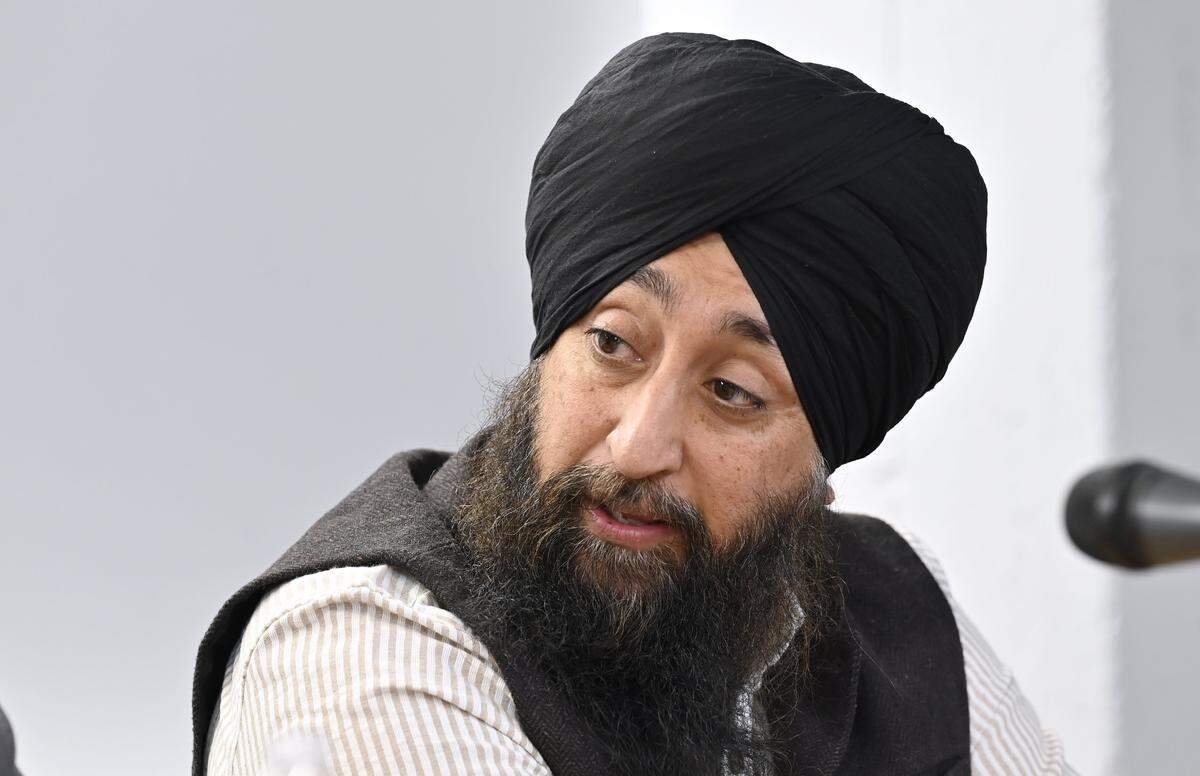
“Fresno’s latest homeless count showed a 3% rise overall and a troubling 10% jump in people sleeping outside, even after $31 million in state funding. More money without a smarter strategy won’t work.
Here’s what I’ll do differently. First, tie permanent supportive housing to real accountability and measurable outcomes, not just beds filled. There is a nonprofit industrial complex and we need results. Second, shift some encampment-enforcement dollars toward mobile mental health and addiction teams so we address root causes in the neighborhoods. Third, partner with Fresno State and local colleges to help formerly homeless residents find stable income, not just temporary shelter.
District 1 also has a housing stock problem. 42% of county homes are substandard. I’ll push paired code enforcement and landlord incentive programs to expand affordable options before people ever reach crisis.
Fresno has the data and the will. What’s been missing is a real roadmap.”