Soria seeks second term for 27th Assembly, but a Republican challenger stands in her way
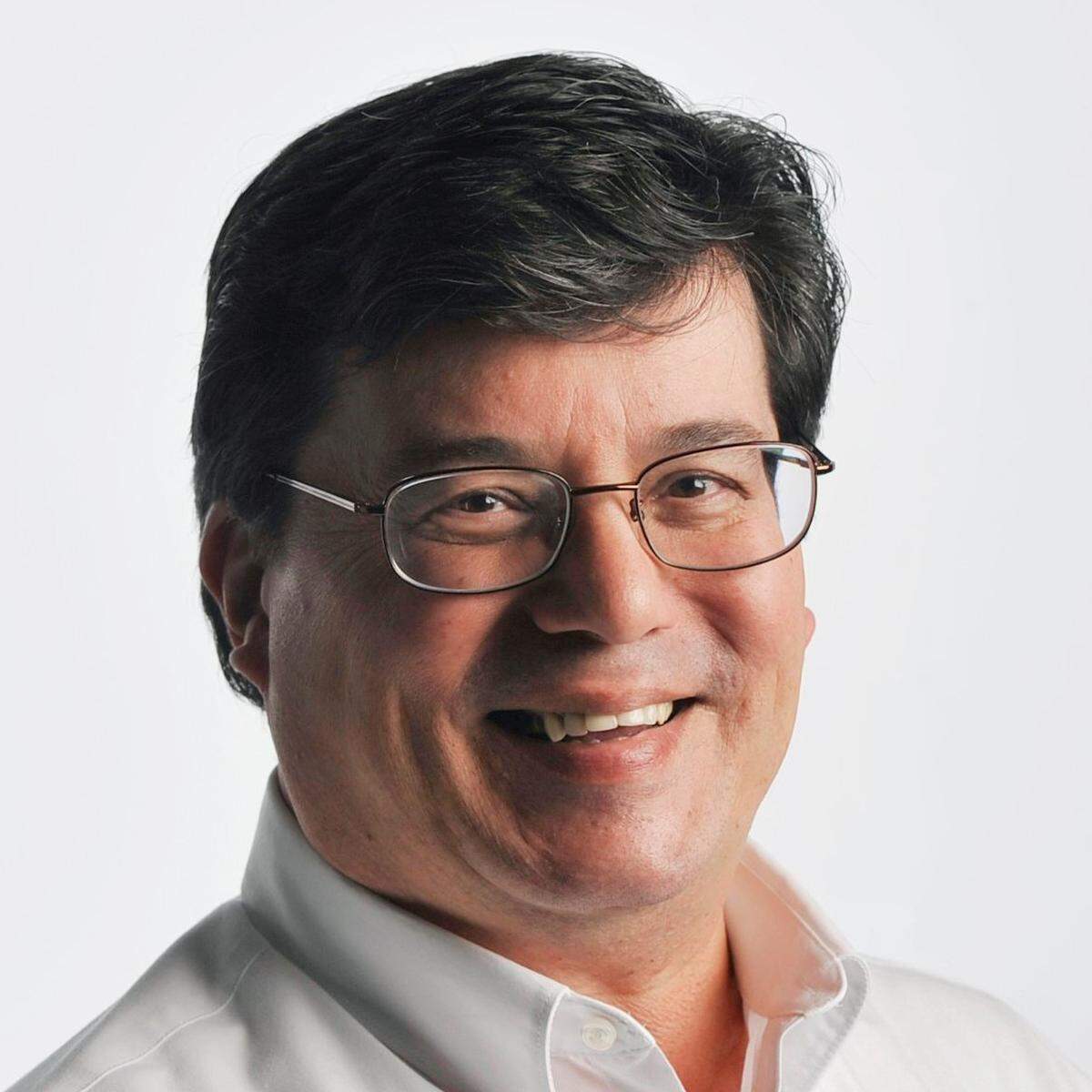
Esmeralda Soria made the jump from the Fresno City Council to the California State Assembly in 2022, winning a tightly contested election over former Merced County Sheriff Mark Pazin.
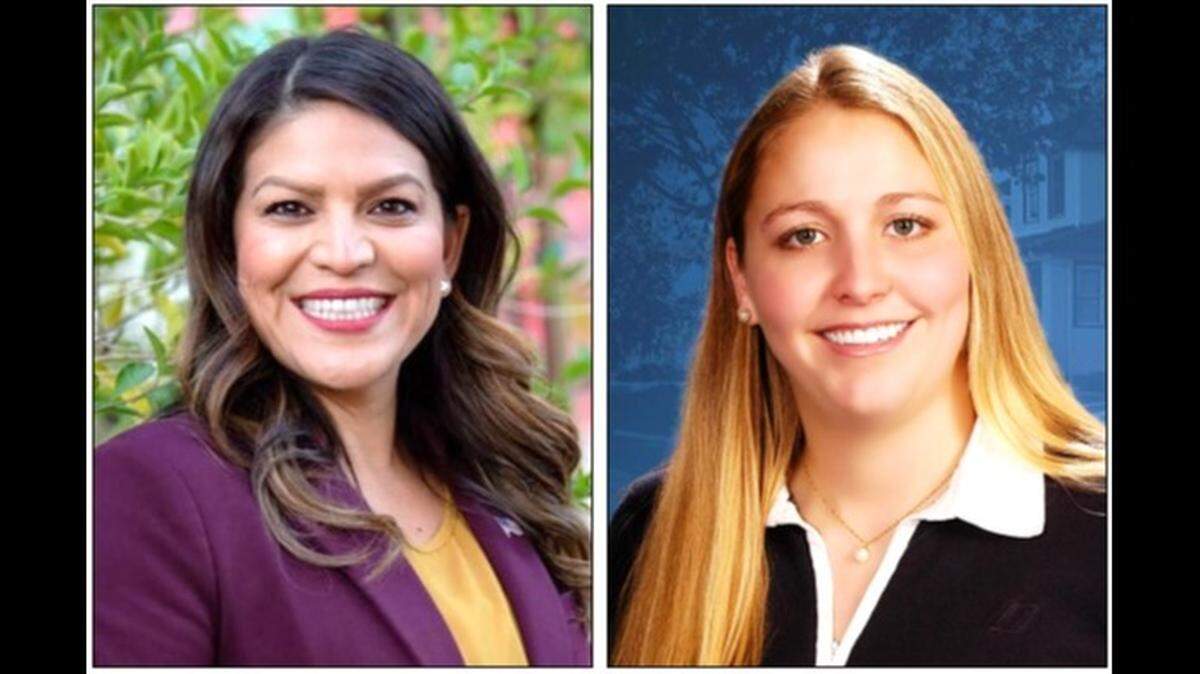
Soria, a Democrat, is seeking re-election this year, but faces a challenge from Joanna Garcia Rose, an auditor from Atwater who is running as a Republican. The Nov. 5 general election is a repeat of the March primary, in which Garcia Rose edged out Soria with about 51% of the vote to Soria’s 49%.
The 27th Assembly District includes parts of Fresno, Madera and Merced counties. Cities within the district include parts of the cities of Fresno, Madera and Merced, along with Delhi, Livingston, Atwater, Chowchilla, Los Baños, Kerman, Firebaugh, Dos Palos, San Joaquín, Mendota and Coalinga.
Soria, a native of Visalia, grew up in Lindsay as the daughter of farmworkers. She graduated from UC Berkeley and earned a law degree from UC Davis. Soria was first elected to the Fresno City Council in 2014.
After winning her first Assembly race in 2022, Soria was appointed in 2023 to chair the Assembly’s Agriculture Committee, among other committee assignments.
García Rose, 39, was born in Concord and graduated from Fresno State with a degree in agricultural business. She also graduated from the San Joaquin College of Law.
Her work experience includes farmer, contractor, tax auditor, real estate broker, and accountant.
If elected, García Rose wants to “audit the waste, fraud, and corruption” at the state Capitol, and create more opportunities for the middle class.
The Bee submitted questions Earlier this year, The Fresno Bee submitted questions to each of the candidates and asked each to respond with answers of in the neighborhood of 200 words. Their responses are offered here in the order in which they were received.
Joanna Garcia Rose
- Party: Republican
- Age: 39
- Occupation: Auditor
- Education: California State University, Fresno, degree in agricultural business; San Joaquin College of Law, juris doctorate
- Campaign website: joannaforthevalley.com/
Q: WATER – How do you propose to address water storage access/availability, and conservation in the Valley?
A: California voters passed a $7.5 billion bond measure in 2014 for water quality, supply, treatment, and storage projects. But what have we gotten from that investment? Very little to nothing. If we keep electing the same people, we’ll keep getting the same results. Government bureaucracy, fees, and regulations have crippled our ability to move the process forward and get things done.
The investment has been made to capture the water, but now we need to hold Sacramento accountable and make it happen.
Q: HEALTH CARE – How would you propose strengthening the Central Valley’s healthcare industry? (Medi-Cal, support for the Valley health industry, doctor shortages, hospital oversight)
A: We need to make healthcare more accessible and affordable for everyone in the Valley and protect the patient-doctor relationship. That means making sure Medi-Cal is fully funded to start with. The state should be willing to pay part of the student debt for doctors and other medical staff who pledge to work in the Valley for set periods of time. The state and federal governments should also help more when it comes to keeping hospitals open in our region.
Q: ECONOMIC DEVELOPMENT – How would you work toward bringing higher-paying job opportunities that are accessible to a wide array of Valley residents?
A: We need to drive business development in the Valley by making it easier for businesses to grow, hire, and invest in our communities. By cutting red tape, reducing taxes, and creating a business-friendly environment, we can create high-paying career opportunities for Valley residents.
Q: HOUSING/AFFORDABILITY: Median rents in California have increased by 37% since 2000, while median renter household income has only increased 7%. How would you promote greater housing affordability in the Central Valley?
A: I take an “all-in” approach to housing. We need to increase the supply of all types of housing — affordable housing, single-family homes, apartments, everything. Once we increase supply, prices will come down. But to do that, we need to make it easier to build by reducing regulations, streamlining permit approvals, and updating outdated laws like CEQA (California Environmental Quality Act), which have been weaponized to block construction.
Esmeralda Soria
- Party: Democrat
- Age: 42
- Occupation: State Assemblymember District 27
- Education: UC Berkeley (B.A.), UC Davis School of Law (J.D.)
- Campaign website: soriaforcalifornia.com
Q: WATER – How do you propose to address water storage access/availability, and conservation in the Valley?
Water management is a crucial issue, especially for agricultural regions like ours and to ensure safe drinking water for our disadvantaged rural communities. We need to invest in more above ground water storage and conveyance systems, upgrade infrastructure, and expand groundwater recharge programs, and improve sustainability practices. This year we secured $1.8 billion for safe drinking water, drought, flood and water resilience infrastructure and programs (SB 867 - Proposition 4). Within the agricultural sector, I support developing sustainable practices like precision irrigation to maximize efficiency and reduce water waste, but provide regulatory flexibility so when we have years of rain like in 2023 we can maximize our ability to take flood waters and recharge our groundwater basins. On the residential side, improved sustainability is also critical along with consistently revisiting local housing growth plans to ensure we balance the need for new housing while not harming agriculture.
Q: HEALTH CARE – How would you propose strengthening the Central Valley’s healthcare industry? (Medi-Cal, support for the Valley health industry, doctor shortages, hospital oversight)
This has been one of my top priorities and main focus during my first term. First, we need to protect and invest in our healthcare infrastructure. I am proud to have spearheaded the creation of the distressed hospital loan program to provide the needed funding to reopen Madera Community Hospital. Our communities already lack proper healthcare infrastructure. We cannot afford to lose what we have and must continue to invest in new and existing facilities. Access and affordability are also closely tied. I authored AB2104 to expand nursing programs in our community colleges to address our nursing shortage which will also improve access to care for our communities. I have supported the building of our own UC Merced Medical School in order to educate and train our own local doctors. Finally, I have always been an ardent supporter of Covered California, the expansion of Medi-Cal and increasing reimbursement rates. The latter will also help keep doctors, especially those in specialties, in our rural communities.
Q: ECONOMIC DEVELOPMENT – How would you work toward bringing higher-paying job opportunities that are accessible to a wide array of Valley residents?
One of the biggest areas of focus for me is building upon the strengths of our local economy while also diversifying it. As Chair of the Agriculture committee, I have championed policies that are modernizing the industry including funding for UC Merced to build out their Experimental Smart Farm. I also authored AB2661, which will allow fallowed farmland to be converted into clean energy usages such as solar farms while also providing job re-training. This type of policy is a win-win. This helps grow a new industry, creates jobs, is good for the environment, and keeps land productive. In my next term, I plan to continue to help keep the agricultural industry competitive and sustainable while also looking for opportunities to expand industries such as clean energy and other opportunities to manufacture locally.
Q: HOUSING/AFFORDABILITY: Median rents in California have increased by 37% since 2000, while median renter household income has only increased 7%. How would you promote greater housing affordability in the Central Valley?
In my capacity as a Fresno City Councilmember, I gained extensive experience with housing and land use policy. It’s evident that communities in my district are grappling with rapidly escalating housing costs due to a dwindling availability of housing. This shortage is mirrored across California. To provide some context, between 1970 and 1979, California constructed approximately 2.4 million housing units. However, over the past decade, despite the state’s population nearly doubling, we’ve built less than 1 million units. This stark discrepancy is undeniably a pivotal factor in California’s homelessness and housing affordability crisis.
In response to these challenges, I have been a strong advocate for building affordable housing, securing investments for under-resourced communities, and expanding housing options for the unsheltered. Some of my key accomplishments include leading efforts to establish an affordable housing trust fund, legalizing tiny homes, creating incentives for infill development, and promoting first-time home ownership programs. It’s imperative to address the housing shortage through comprehensive, sustainable solutions. I am committed to ensuring that we build housing of all types, making home ownership more accessible to working families and creating a more equitable housing landscape in our district.
This story was originally published October 5, 2024 at 12:55 PM.
CORRECTION: Joanna Garcia Rose resides in Atwater. A previous version of this story erroneously reported the community where she lives.