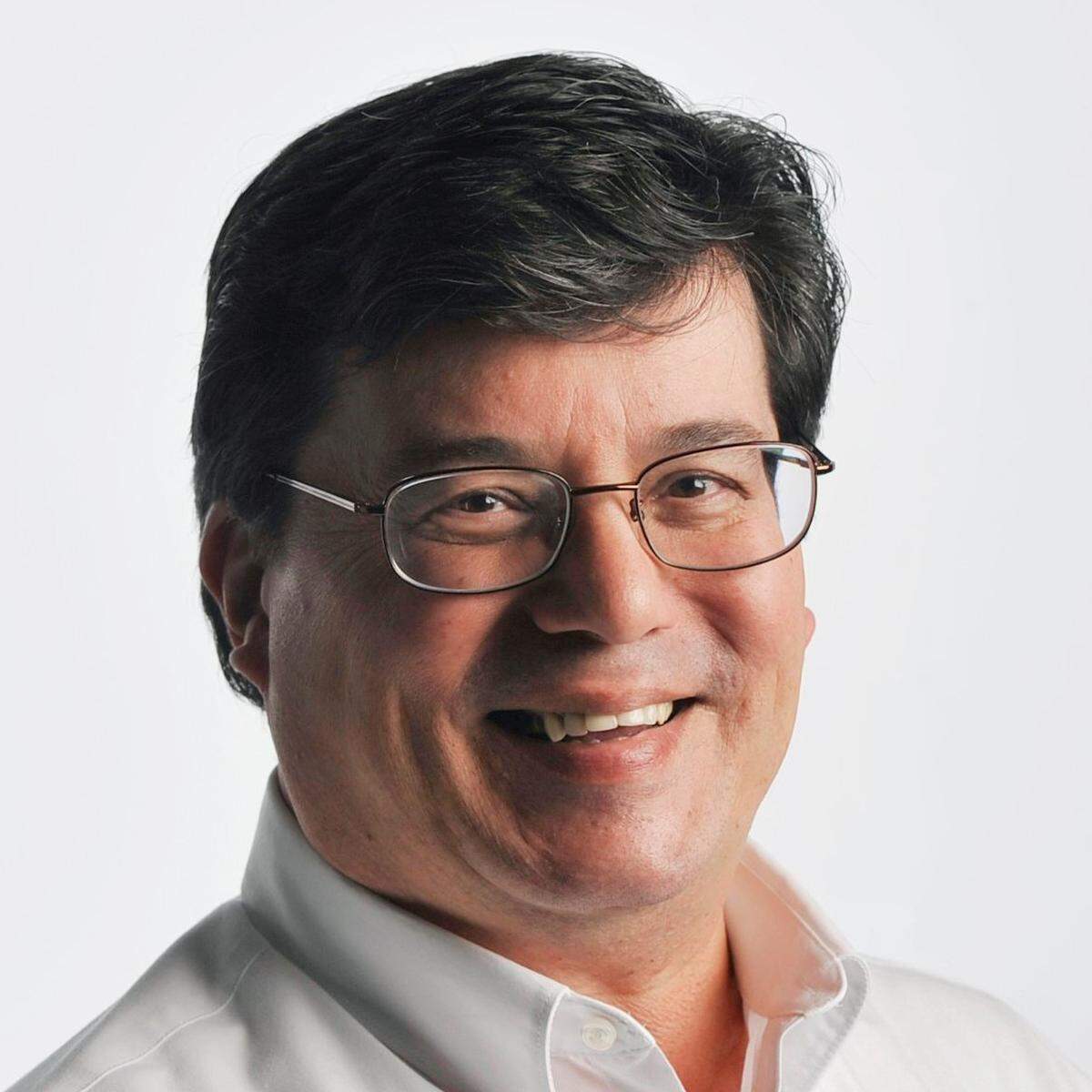
In reprise of primary, Arámbula and Verduzco vie to represent the 31st Assembly District
Dr. Joaquín Arámbula, a Fresno Democrat, has represented the Fresno-Clovis area in the state Assembly since winning a special election in 2016.
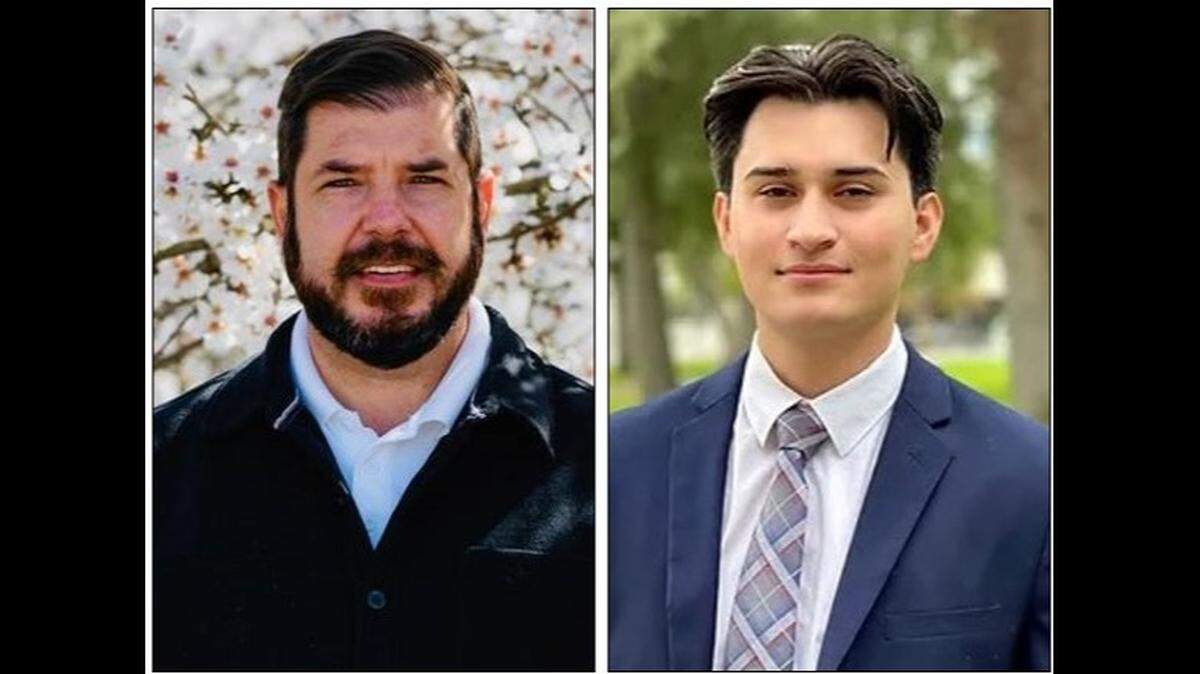
He’s seeking re-election to the 31st Assembly District seat again on the November ballot, facing Republican challenger Solomon Verduzco. The pair first faced off in the March 5 primary to earn a place in the Nov. 5 general election.
The 31st Assembly District sits entirely within Fresno County and includes much of Fresno and Clovis, as well as the communities of Sanger, Selma, Fowler, Parlier and Orange Cove to the south and southeast of Fresno. The district’s population is more than two-thirds Latino, and almost half of the registered voters are Democrats – about 47%, compared to 26.7% Republican and 21.3% with no party preference.
Arámbula, 46, a medical doctor, had never received less than 60% of the vote in the district in previous elections. In the primary, he outpolled Verduzco by a margin of 60% to 40%. In addition to serving on the Assembly’s Appropriations, Health, Higher Education committees and other legislative committees, Arámbula is the Assembly’s ex officio, non-voting representative on the California High-Speed Rail Authority board of directors.
Verduzco, a 21-year-old college student who is pursuing a bachelor’s degree in justice studies with a goal of attending law school, describes himself as a political commentator and community volunteer with “years of dedicated study in public policy.”
The Fresno Bee submitted questions to each of the candidates and asked each to respond with answers of in the neighborhood of 200 words. Their responses are offered here.
Solomon Verduzco
- Party: Republican
- Age: 21
- Occupation: Community activist
- Education: Grand Canyon University, bachelor’s degree in justice studies (expected completion in April 2026)
- Campaign website: www.solomonverduzco.com
Q: WATER – How do you propose to address water storage access/availability, and conservation in the Valley?
A: To tackle this issue, we must identify the problem. California’s current water infrastructure was built for half of its current population of 40 million. One million California residents lack access to safe drinking water. We need a new approach to sustainable abundance to create affordable, resilient, and equitable water access for all, including new development areas and agriculture. Using solutions like the “Slow Water” movement focuses on working with the natural water cycles instead of attempting to control them. Through cost-effective projects, like creating percolation basins, that will be able to generate 10 to 15 million acre-feet of water annually at a cost of $75 billion. Another $75 billion would be needed to upgrade current infrastructure like leaves, water treatment plants, and toxic pipelines. The $150 billion total could come from state funds, regional efforts, federal loans, grants, and private investment. Allocating just 25 of California’s General Fund would be revenue-neutral by cutting other wasteful programs. regulatory reforms are also important to ensure the efficient use of these investments. This balanced strategy would create not only a water system that can sustain the state’s growing needs but also benefit residents and industries alike.
Q: HEALTH CARE – How would you propose strengthening the Central Valley’s healthcare industry? (Medi-Cal, support for the Valley health industry, doctor shortages, hospital oversight)
A: In order to strengthen the Central Valley healthcare industry, we have to use strategies that help our healthcare providers and patients. First, Medi-Cal needs reform to cut through bureaucratic red tape and ensure doctors and hospitals get paid on time. Streamlining the process and allowing for more private-sector competition will improve care and costs. To address the doctor shortage, I believe the best solution would be to propose tax incentives and student loan forgiveness for medical providers who commit to serving underserved areas like the Central Valley. Furthermore, to attract out-of-state doctors to practice in California, we must reduce restrictive regulations, especially here in the valley. Supporting the Valley’s healthcare industry means reducing the tax burdens on small clinics and hospitals so they have the opportunity to expand their services. Also, embracing services like telehealth to improve access to care for patients in rural areas. When we talk about hospital oversight, we need proper accountability, but without the burden of overregulation. Local communities should have more control of their hospitals to ensure transparency and efficiency without government overreach. Overall, the solution is simple: we need to create a healthcare system that fosters innovation and allows healthcare providers to thrive so that the Central Valley citizens receive the best care.
Q: ECONOMIC DEVELOPMENT – How would you work toward bringing higher-paying job opportunities that are accessible to a wide array of Valley residents?
A: To bring higher-paying job opportunities to the Central Valley, we must first overhaul California’s regulatory state to encourage investment and business growth. A recent study by the Cato Institute ranked California 48th out of the 50 states in personal and economic freedom. Cutting regulations like AB 5 and bureaucratic red tape created by CEQA (California Environmental Quality Act) will create more jobs in infrastructure projects and new housing development and bring back more independent contractors’ jobs in trucking and healthcare. Then, tax reform is essential. California ranks among the highest in individual and corporate tax rates. By lowering these taxes and simplifying the regulatory burden, businesses will stay and expand in the Central Valley, leading to more job creation. By focusing on these reforms, we can create an environment where businesses thrive, providing more high-paying jobs for all Valley residents.
Q: HOUSING/AFFORDABILITY – Median rents in California have increased by 37% since 2000, while median renter household income has only increased 7%. How would you promote greater housing affordability in the Central Valley?
A: To promote greater housing affordability in the Central Valley, we must use a multifaceted approach that prioritizes both supply and demand. We need to streamline the housing development process by cutting through bureaucratic red tape, particularly regulations that stem from CEQA. This will streamline approvals for new housing projects, allowing more homes to be built quickly and efficiently. Next, I will push for policies that incentivize developers to create affordable housing, like tax breaks and reduced fees for projects that prioritize low-income housing. When legislators encourage private sector investment, you will see an increase in the availability of affordable options. We must also reform current zoning laws to allow diverse housing types and expand the housing development areas. For immediate relief, we must build multi-family units and accessory dwelling units in areas facing severe shortages. By focusing on these strategies, we can bring back the California dream of home ownership, especially here in the Central Valley.
Joaquin Arambula
- Party: Democrat
- Age: 47
- Occupation: Assemblymember/Doctor
- Education: Bowdoin College, B.S. Biochemistry; University of Minnesota Medical School, M.D.
- Campaign website: None listed
Q: WATER – How do you propose to address water storage access/availability, and conservation in the Valley?
A: To reach groundwater sustainability, we must do more with the water we have and recharge our groundwater when there are high flow events. In 2019, I authored and had chaptered into law Assembly Bill 658. This legislation amended the water code to make it easier for us to do more with the water we had by focusing on streamlining conveyance for groundwater recharge during high-flow events. This allows our communities to more easily build the conveyance they need to move water from where it is high flowing to our farms so that we can do groundwater recharge into to our most important bank account for water, our below ground storage. While this was a common sense measure, it took me several years of hard work to build consensus among stakeholders to earn unanimous bipartisan support in the Assembly and the State Senate.
Q: HEALTH CARE – How would you propose strengthening the Central Valley’s healthcare industry? (Medi-Cal, support for the Valley health industry, doctor shortages, hospital oversight)
A: As a leader in the #Health4All movement, I have successfully worked with other advocates and supporters to enroll over one million Californians into Medi-Cal – people who previously were excluded solely because of their immigration status. This is the largest health care expansion in our nation since the Affordable Care Act. In Fresno County, it will allow thousands of previously uninsured people to seek preventive care and get upstream from many of the chronic issues facing our people. Increasing access to care will require having more health care providers to serve our communities. I have supported numerous pathways to achieve this. I’ve also been a tireless advocate to bring medical education back to the Central Valley, and this spring a groundbreaking was held for a medical education building at UC Merced. I’ve also led efforts to increase funding through AB 3081 for the medical education collaborative between UCSF (University of California, San Francisco), UCSF-Fresno and UC Merced. And, this year, my bill, AB 2080, was signed into law. It will require data collection at all UC Medical Schools so that we can increase diversification of our health care providers so that they are reflective and concordant with our communities.
Q: ECONOMIC DEVELOPMENT – How would you work toward bringing higher-paying job opportunities that are accessible to a wide array of Valley residents?
We need to focus on diversifying our economy and providing living wage jobs for more families. Fresno is ground zero for the largest public works project in America – the nation’s first high-speed rail system. Many laborers, electricians, carpenters, and teamsters have been needed to build this type of infrastructure. We also need investments in our higher education systems to support the workforce of tomorrow. F3 – which stands for Farms, Food and Future and received $30 million in state funds – is a partnership between Fresno State and UC Merced to create an innovation corridor between our institutions so that we can go beyond selling commodities and focus on training the engineers and entrepreneurs of tomorrow. Through Transformative Climate Communities, I helped secure $70 million in funding that – when braided with our State Center Community College District measures – brought a new community college campus to southwest Fresno. I have also championed numerous CTE (career technology education) investments in our community colleges for nursing, welding, mechanics, and electric aviation.
Q: HOUSING/AFFORDABILITY – Median rents in California have increased by 37% since 2000, while median renter household income has only increased 7%. How would you promote greater housing affordabiilty in the Central Valley?
A: Working in tandem with Fresno Mayor Jerry Dyer, I’ve helped secure a commitment from the state for $250 million for downtown Fresno. This will allow the city to invest in water and sewer infrastructure and to ultimately allow more housing development. We need to build our way toward housing affordability by increasing all types of housing options, but we can’t do that if our systems underground do not support the proposed growth. That growth should include housing density, affordable housing, senior housing, and student housing options. The state has contributed billions of dollars over the past several budgets, and I look forward to holding our local elected officials accountable to develop the housing that our constituents demand and deserve. Too many families are struggling with housing affordability or housing instability, and it will require all of us to work collaboratively to meet this challenge.
This story was originally published October 5, 2024 at 1:16 PM.