‘The main challenge is safety.’ Clinician challenges board president for Clovis Unified trustee seat
READ MORE
Clovis Unified Elections
This November, the Clovis Unified board has four open seats and two races - incumbents Steven Fogg and Yolanda Moore are running unopposed. Click the arrow below to read the profiles of the candidates.
Expand All
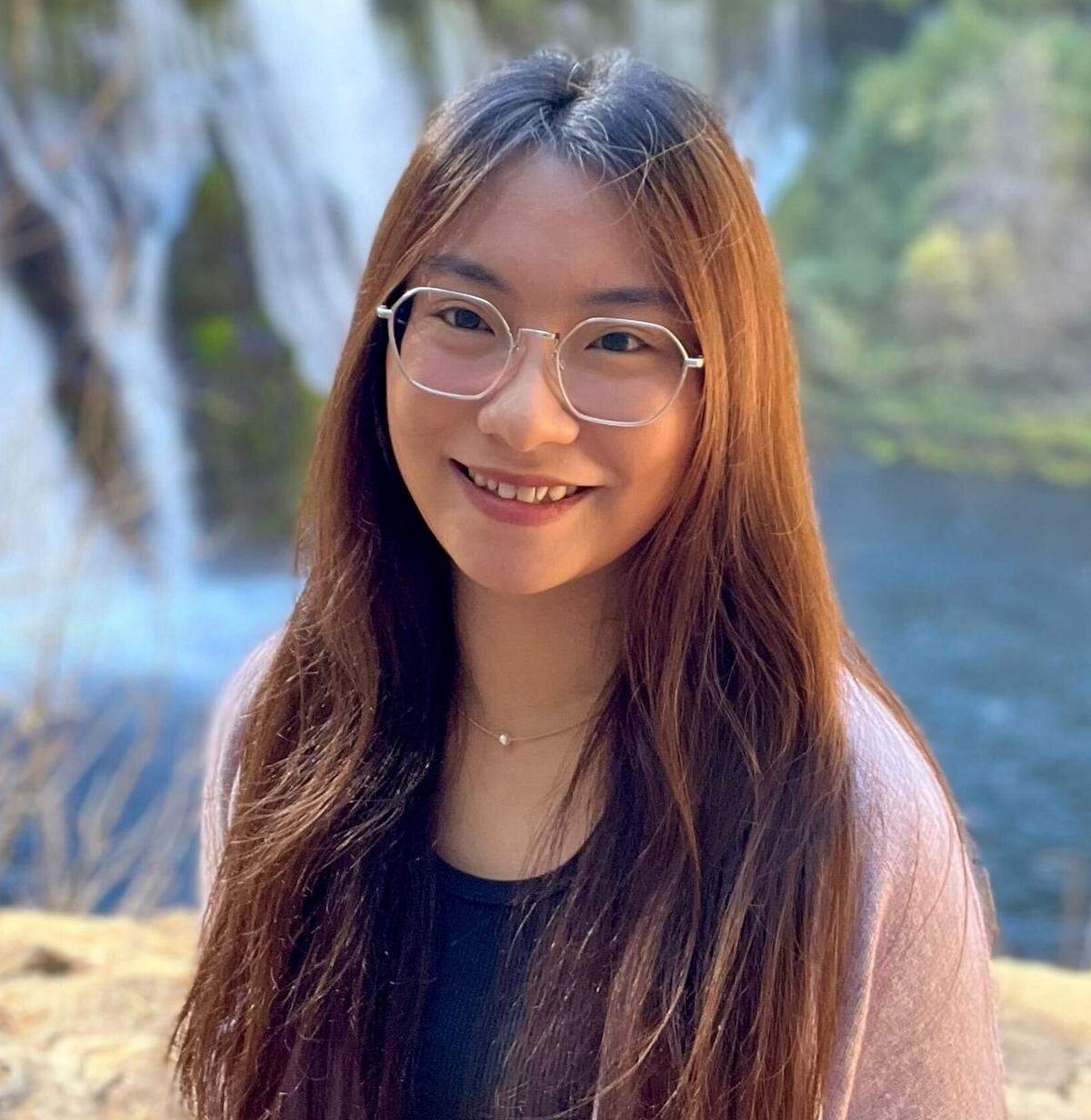
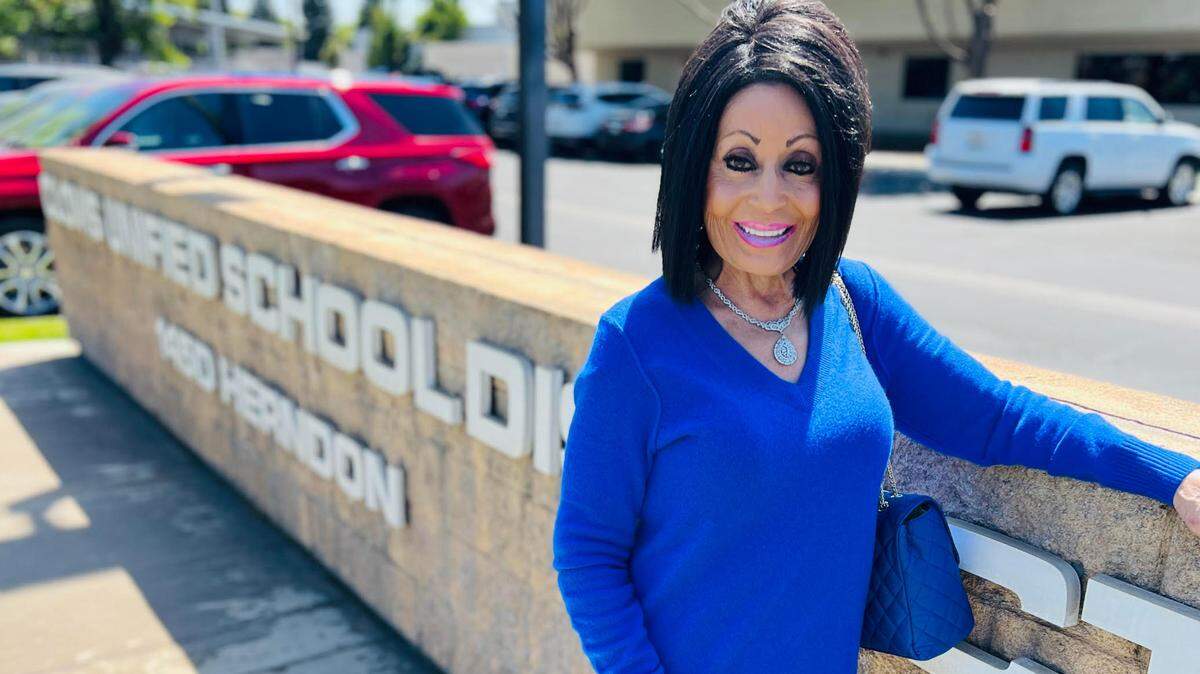
Gina Vue comes from a big family with seven siblings who taught her how to put aside differences and collaborate — something the Clovis Unified mom of two says she plans to do on the school board, if elected.
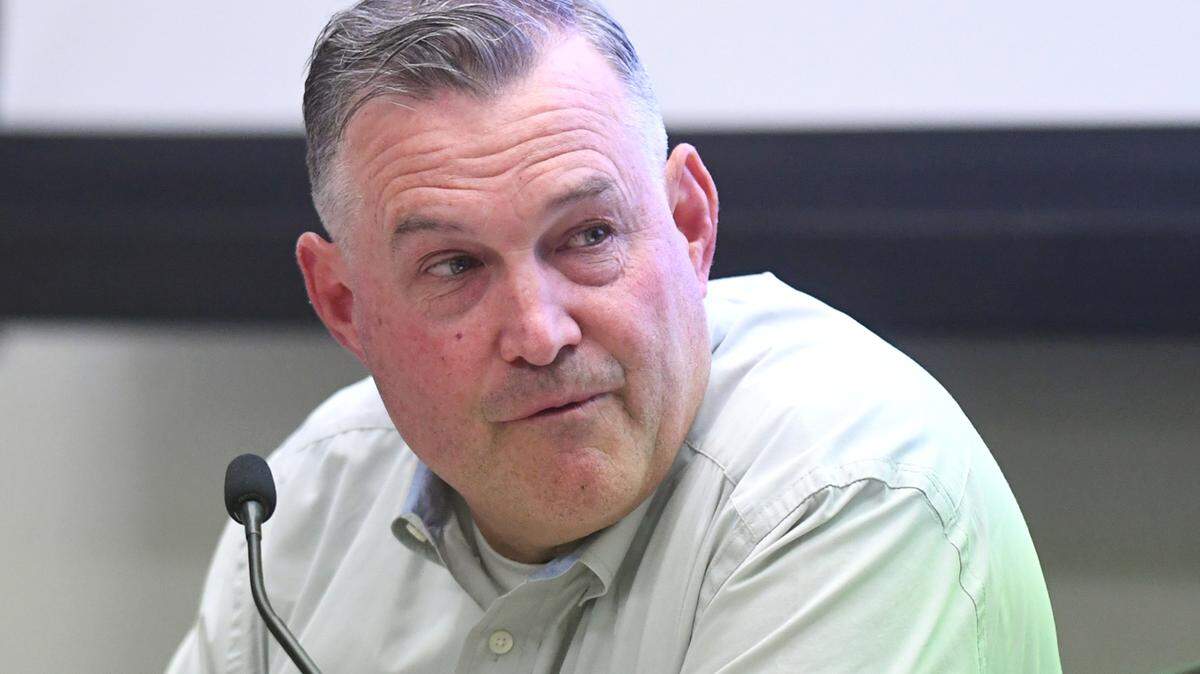
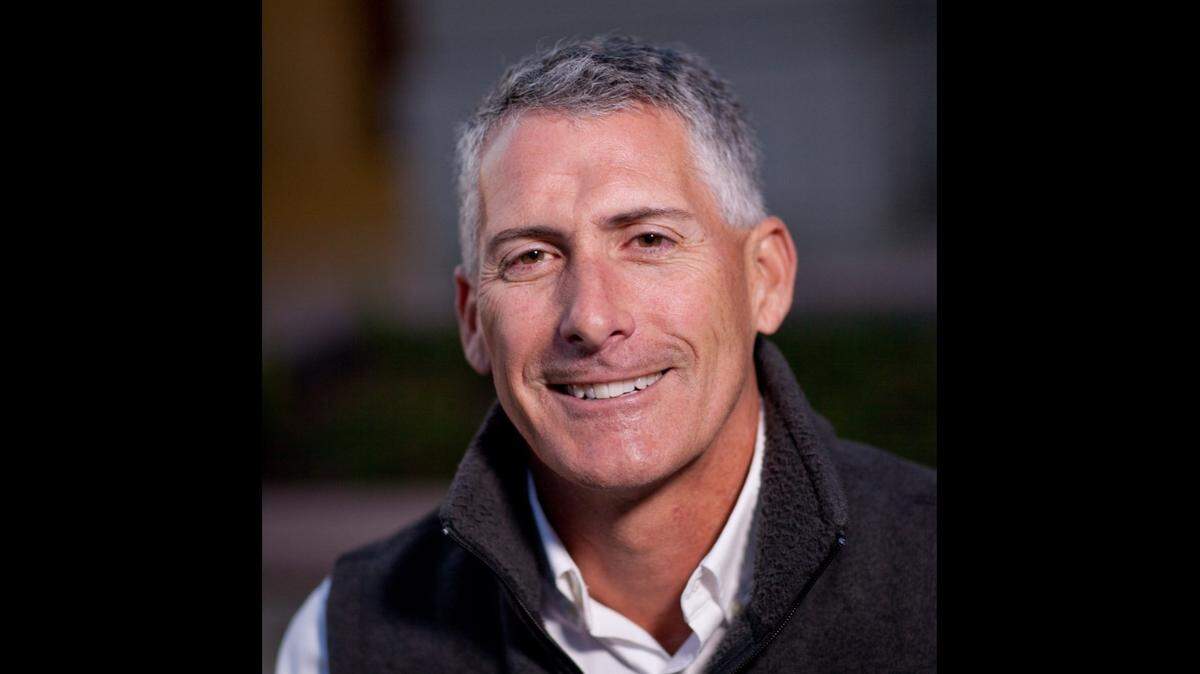
Vue is a clinician and CEO of a local autism center with more than 20 years of experience working with children. She is challenging incumbent High Awtrey, the board’s current president, to represent Clovis Unified’s Area 4.
Education has played an important role in her life, Vue said, and she knew at an early age that she wanted to pursue a career working with needy children. In high school, Vue spent her summer and winter breaks helping her mom take care of babies and toddlers with Down syndrome at a nonprofit.
Vue is a first-generation American. Her parents were “children of war” who migrated from Laos to the U.S., eventually settling in Fresno.
“I have an American name, Gina. It wasn’t like an Asian name,” Vue said. “I always felt that this is my country, and I’m as good as you, you are as great as me, and we work together to help the other generations.”
The Fresno Bee sat down to talk to candidates on the Clovis Unified school board ballot. Here are five questions for Vue. Answers are edited for length and clarity.
Why are you running for a seat on the school board?
Education is very important to me. I’m a first-generation American, and taking full advantage of public education definitely transformed my life. My parents came from Laos, and I was able to go to school as a woman, to be able to advocate for myself, and now this is my country. I want to be able to present the same opportunity to all students.
Due to my experience working directly with children through the lens of an educator and as a clinician, I have the experience that is needed to see the child holistically. Whether it’s in the fields of academic or mental health, or in family dynamics, I’m able to offer my expertise to the board. I find myself wanting to connect with children and parents, and I want to help families with their children to reach their full potential. So here I am, motivated and wanting to give back to my community. My truth and passion is that education is transformative and it’s going to help continue to make America great, if we have the right people on the school board to help make decisions.
What are the biggest challenges facing Clovis Unified?
The main challenge is definitely safety. As a parent, I drop off my children at school every morning. They’re there from 8 a.m. until I pick them up after 3 p.m. Not knowing their well-being, not knowing how they’re being treated, not knowing their safety, is a little alarming. So giving the school district my full trust that they’re going to care for my child, that is a huge responsibility that I’m handing to them.
Safety is not just the physical well-being of my child, it’s also my child’s ability to recognize when they’re being triggered, for example. When the teacher reads a story about pets, are they being triggered by something that had happened to them where they no longer feel safe and ready to continue with the lesson? It’s about the social-emotional component and their mental health development.
How important is students’ mental health and what can the district do to help?
There’s a lot of teaching and resources. But we also need to make sure that our children can apply it and generalize it. It’s great to have resources to help with mental health issues, but if you can’t even identify your own crisis, you can’t seek the resources. So, it’s about social awareness and self-awareness, such as whether the child is able to identify the situation and say, “Can I have a minute,” and take a deep breath and feel, “OK, I’m ready now.”
Another challenging factor is the policies and procedures. Depending on the actions, does the action match the consequence? Have we taken a look at our punitive consequences? What about the suspension or expulsion data? What incidents would trigger consequences and why? We need to look at all the stuff to ensure safety throughout the school.
What other policies do you plan to pursue if elected?
Gov. Gavin Newsom just signed the bill prohibiting and limiting students’ phone usage. It means that school districts are going to evaluate how often students use their phones during unstructured time and limit that. How is that going to affect the child’s mental health and well-being? What are we going to put in place of the phone usage that can still give them the interaction with other students? With my experience with mental health and being a clinician helping students with coping skills and challenging behaviors, I’m going to be a great addition when writing the policy.
I also want to make sure that students are ready and prepared for the future, and that means being able to work with artificial intelligence.
I’d like to make sure that the district maintains the highest standards. How do we continue to build a curriculum where our students will be successful when they graduate? For example, if we can get dual enrollment courses to be consistent all across our high schools, how amazing would that be to graduate from high school and have your associate’s degree?
Our career centers can also be more helpful in finding some internships, volunteering, even a job for our students. Remember, school is created to be a safe zone for students to learn and fail, and be who you want to be and practice it on the school site.
What’s your philosophy in campaigning and serving on the school board?
I’m more focused on the people. I listen to them and learn about what they want, and give them choices. A lot of times, if I’m asked a question about transgender students or school bonds or unions, I might give a very general answer. That’s because there are California education codes that need to be followed, and with a seven-trustee board, I don’t know what the outcome is going to be. So I like being transparent with my constituents. I don’t want to be a typical candidate who says, “This is what I am for,” and doesn’t even vote the way they said. It’s about evaluating the best interest of students, and then the next lens is the parents and the teachers, and what our community wants, and then going from there.
This story was originally published September 30, 2024 at 12:16 PM.