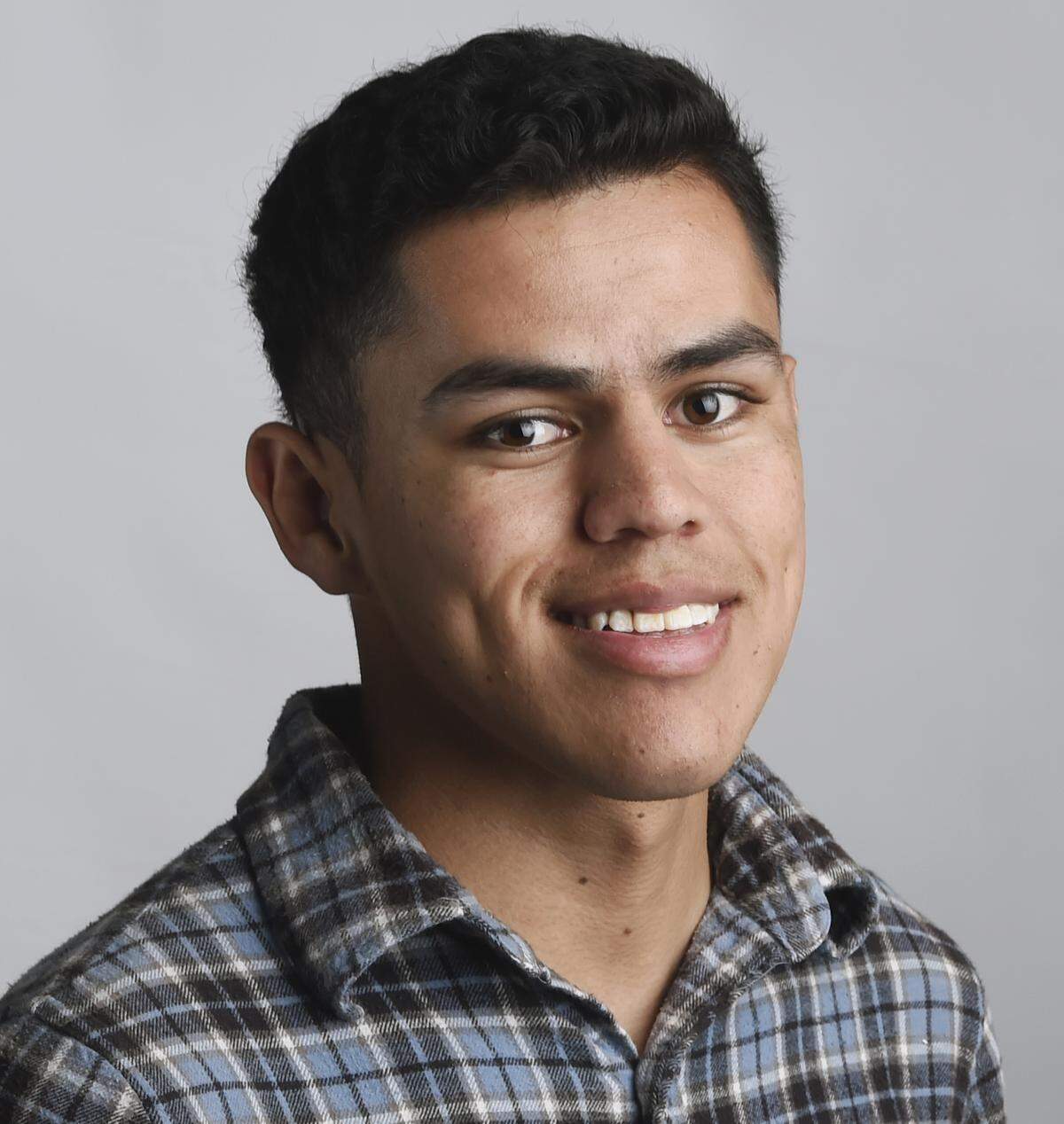
He was 17 years old when a Fresno man was shot and killed. Should he be tried as an adult?
Jaleen Hinton was 17 years old when he went to buy pot last year and ended up paralyzed in a wheelchair for life, the result of a shooting incident that left another man dead.
Hinton, now 18, is charged with murder in connection with the death of 19-year-old Wenshil “Brandon” Saechao on Aug. 24, 2018. A second man, Kyrone Jaray Haygood, was also charged in connection with the shooting death.
Before Hinton’s guilt or innocence is determined, there’s a battle in Fresno County Superior Court that could determine Hinton’s future. Judge Mary Dolas must decide: Should Hinton face the criminal charge as a minor in juvenile court where, if convicted, he would essentially be released from custody in about seven years when he turns 25? Or as an adult with the potential for spending the rest of his life behind bars if convicted?
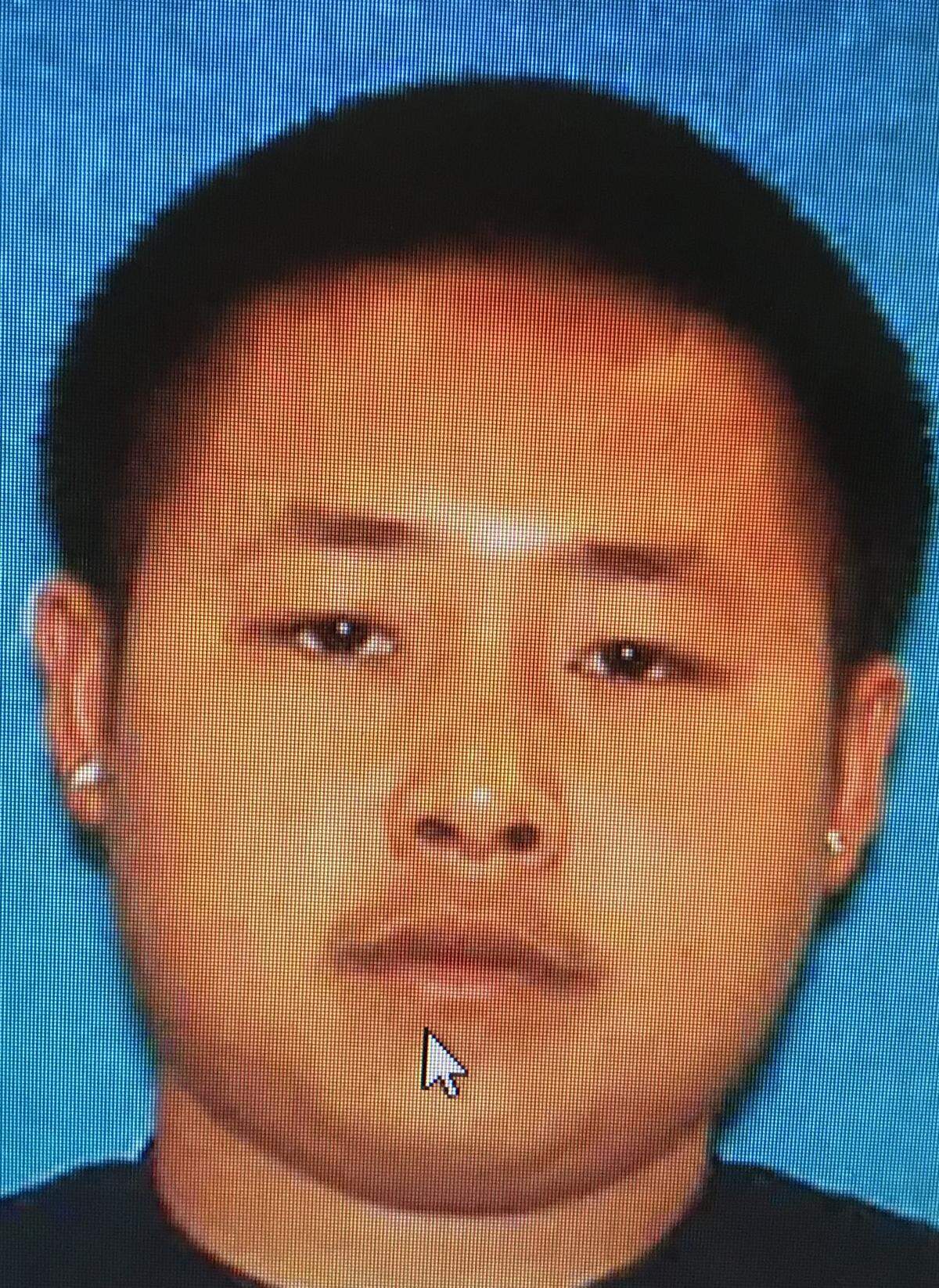
A lot remains unclear from the night Saechao was killed. Evidence is still being tested and witnesses have given conflicting statements, according to a detective who testified Tuesday in the case.
Shooting shrouded in mystery
This much is known: a group of friends that included Hinton set up a meeting to buy marijuana from another group that included Saechao.
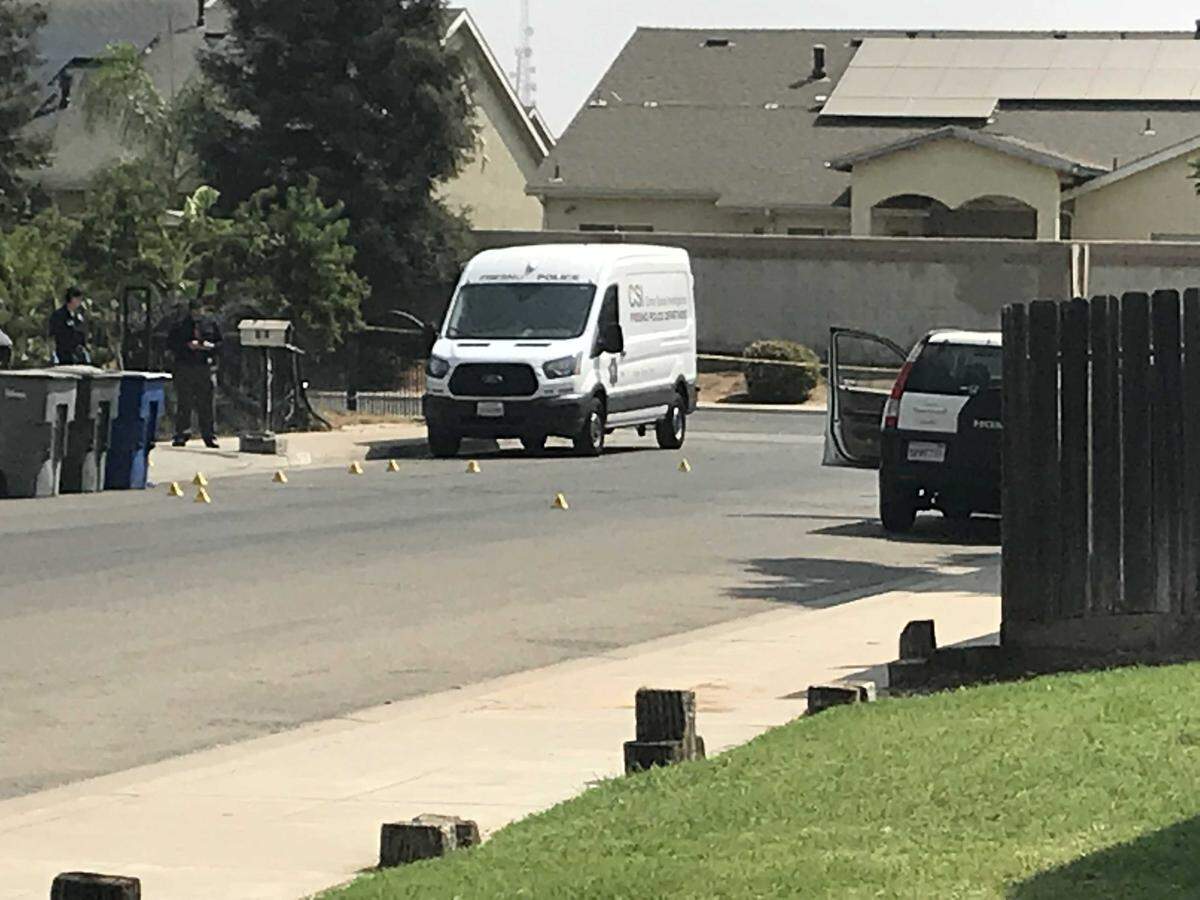
For reasons that remain unclear, Hinton’s group drove to Saechao’s home in the 4200 block of West Fountain Way, west of Highway 99. A short time later, at least one person opened fire. Saechao was killed and Hinton was shot in the back. No weapons have been found in connection with the incident and the sequence of events remains uncertain.
A witness told The Bee he heard six shots fired.
In the days immediately following the shooting, Fresno investigators identified Hinton and Haygood as suspects in Saechao’s death.
A .38-caliber bullet recovered from Saechao’s body remains the only gunshot evidence found in the case.
The injury that paralyzed Hinton may have been the result of “friendly fire,” authorities have said.
Defense attorney Gerald Schwab acknowledged Hinton’s involvement in “bonehead” activities, referring to the alleged attempts to buy weed at 17 and a history with street gangs. But Schwab also said there is work to do to determine what exactly happened the night Saechao was killed. Hinton’s involvement, he said, wasn’t what the prosecution has argued.
“Who knows who started the dispute and who knows who pulled (the trigger) first?” Schwab said.
‘I didn’t kill nobody’
Prosecutor Elana Smith and Schwab argued whether Hinton should be kept in juvenile detention and their disagreements over the events on the night in question sparked some tense questioning of expert witnesses.
Prosecutors described the deadly exchange as “a well-planned robbery” scheme hatched by Hinton’s group while the defense argued that Saechao’s group “lured” Hinton and others back to Saechao’s home in a “pot deal gone bad.” Schwab suggested Hinton’s group may have even fallen into a trap by going to Saechao’s home.
A detective testified that witnesses – friends of Saechao – told investigators Hinton was overheard saying, “Sorry, I’m taking the marijuana,” just before a shot was fired.
Detectives interviewed Hinton at the hospital before his parents stepped in, which was heard in a recording played in court Tuesday. In it, Hinton tells the detective, “I didn’t kill nobody.”
Judge’s decision
Dr. Richard Blak, a clinical and forensic psychologist, testified in support of Schwab’s argument that Hinton would be best served by juvenile rehabilitation. Blak said he interviewed Hinton, reviewed case documents and learned that Hinton was troubled as a teen, but showed the ability to turn things around for himself.
He said Hinton was not mature at the time of the shooting and could learn from the experience.
Schwab argued that Hinton was caught in the crossfire of a bad situation and that the deal to purchase weed allegedly had been set up by Saechao, who was older than Hinton.
He told the judge that rehabilitation was possible and remaining in juvenile detention until he’s 25 would be “more than enough time.”
Smith said Hinton is to blame for his own actions. She listed five reasons he should be transferred to criminal court, including that he lied to detectives about what happened and who was involved.
She also said Hinton has a history of violating probation orders and has shown signs that he’s not remorseful for what happened. She said it would be “impossible to rehabilitate” Hinton.
Dolas will get the final say on April 10.
This story was originally published March 19, 2019 at 10:34 PM.