Fresno residents least equipped in US to handle financial shocks, study shows
When it comes to weathering financial emergencies, Fresno residents struggle more than most.
That’s according to a new study by CardRates.com, an online resource that offers credit card ratings, reviews and guides from finance experts.
“Millions of Americans are entering 2026 carrying the financial stress of yesteryear,” CardRates.com staff writer Lynn Cadet wrote in a Jan. 29 article. “From high credit card debt to inflation pressures, amidst talk of an affordability crisis, households are grappling with intense economic stress and costs, as wage growth remains modest at best.”
CardRates.com evaluated 151 metropolitan areas across the United States based on unemployment, home values and other factors to find out which cities are “best positioned to overcome economic setbacks and which are more susceptible to financial shocks.”
Fresno ranked among the cities where economic pressures loom the greatest, according to CardRates.com’s first-ever Financial Resilience Report.
Here’s why:
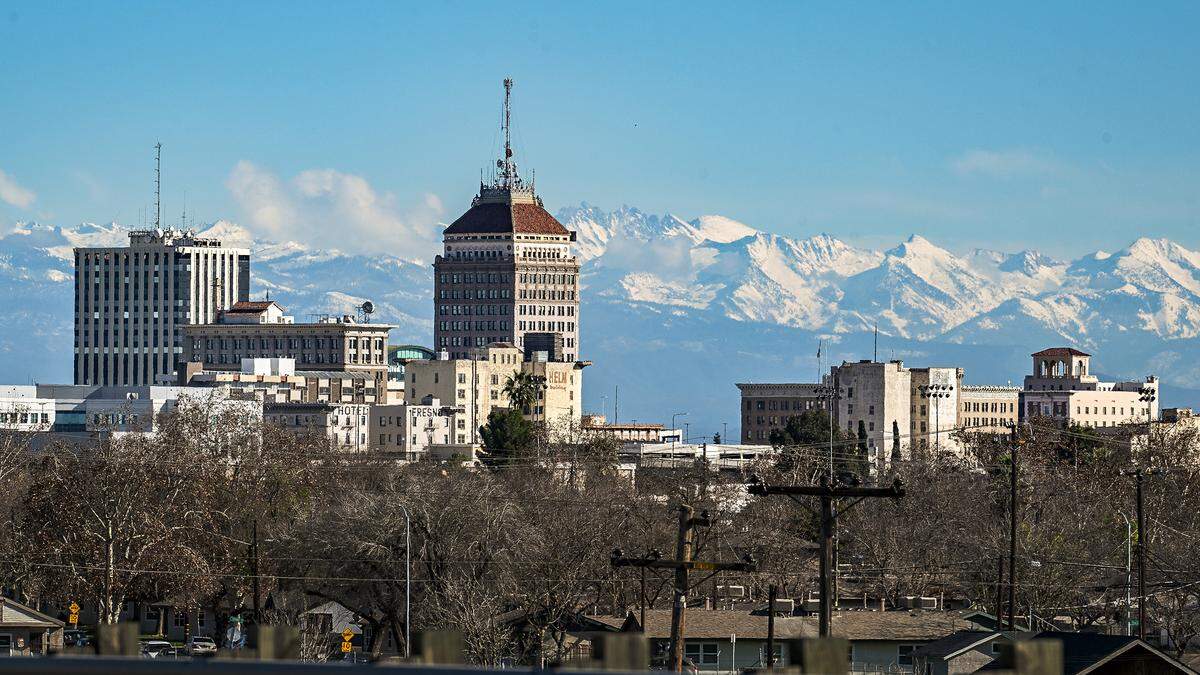
Which US cities face most economic stress?
According to CardRates.com, some U.S. metro areas face extra challenges when dealing with rising costs, debt and housing pressures, “making them more vulnerable to economic stresses.”
“Any minor economic shock — such as an unexpected rent increase or a medical bill — is more likely to lead to deeper financial distress for residents,” Cadet said.
These cities ranked the lowest in the nation in terms of “built-in financial resilience,” according to the study:
- 1. Fresno
- 2. Bakersfield
- 3. McAllen, Texas
- 4. New Orleans
- 5. New York City
“What these five areas have in common: low affordability, high poverty and unemployment rates, and little income cushioning, among other factors,” Cadet said. “These factors mixed together signal a higher susceptibility to financial hardship, making it more difficult for households in these areas to be financially flexible when prices rise.”
Cities in California’s Central Valley face “high housing costs and cost-of-living metrics that outpace earnings,” CardRates.com found.
In January, RentCafe named Fresno as one of the least livable metro areas in the United States, due in part to high living costs and low income growth, The Fresno Bee previously reported.
About 26% of Fresno’s population was dealing with “severe housing problems,” the Jan. 3 study said.
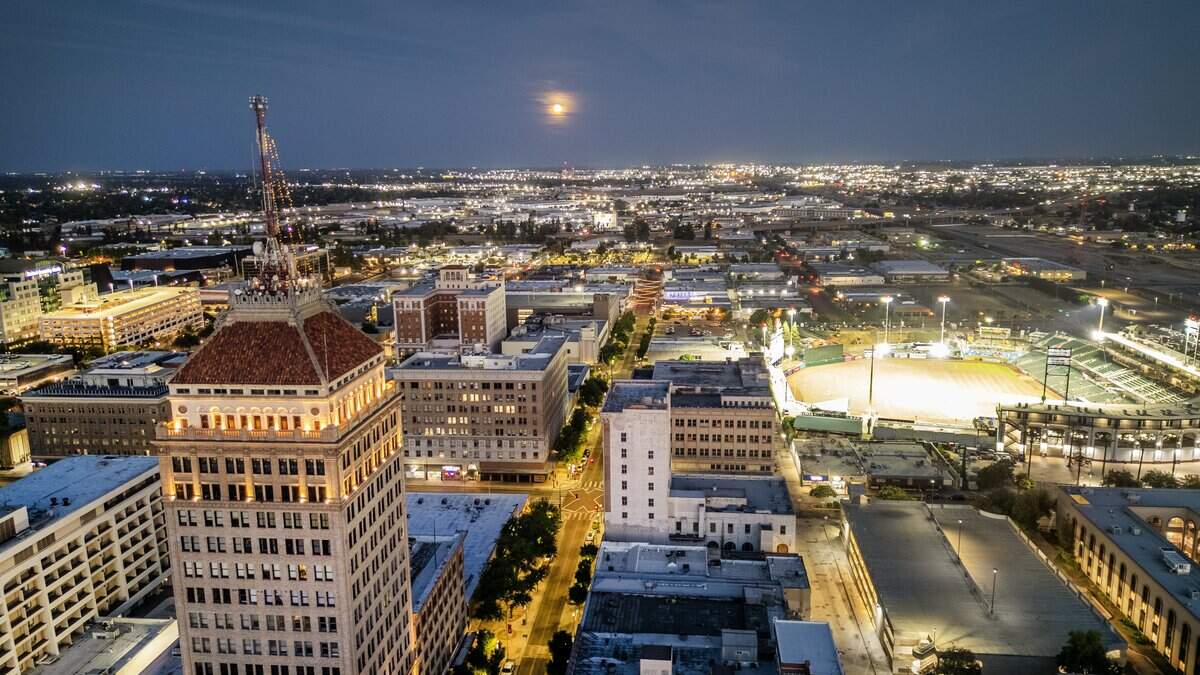
How can Fresno residents be more financially resilient?
Bobbi Rebell, a certified financial planner and consumer finance expert at CardRates.com, broke down what the study means for Fresno — and what residents can do.
“Fresno faces a lot of pressure points that add up, making it hard for households to create a buffer when unexpected costs hit them,” Rebell told The Fresno Bee via email.
“Fresno has high poverty levels along with unemployment, and incomes are lower on a relative basis to what it costs to live there,” she said, so residents aren’t as prepared to absorb unexpected costs.
“People will be more likely to make reactive decisions under financial stress because they don’t have enough of a buffer,” Rebell said.
“They may rely more on credit when there is an emergency, because they don’t have other options,” she said. “This is often driven by economic factors that they can’t control, but that impact their lives nonetheless.”
To become more financially resilient, Fresno residents should “as much as is possible, focus on protecting liquidity,” Rebell said.
“That starts with building a flexible emergency fund,” which can help lower the chances of having to turn to high-interest debt,” she said.
Knowing “how much cash you have coming in” can also help you spend within your means, Rebell said.
Residents should also focus on cutting down on high-interest debt, such as loans and lines of credit with an annual percentage rate in the double digits, according to Rebell.
“Finally, because the job market can be precarious, take steps to make yourself as marketable as possible, including learning new skills that can earn you a raise, or allow you to get a higher-paying job,” Rebell said.
Which US cities are best at handling economic stress?
According to CardRates.com, these were the metro areas best positioned to face economic stress in 2026:
- 1. Huntsville, Alabama
- 2. Des Moines, Iowa
- 3. York, Pennsylvania
- 4. Raleigh, North Carolina
- 5. Ogden, Utah
Residents in these cities benefit from low poverty and unemployment rates, as well as “manageable housing payments and firmer income cushions,” CardRates.com found.
“These cities are able to create an environment where residents can survive economic pressures without tipping into crisis,” the study said, making households “less likely to fall into economic downturns and more likely to have some sort of a safety net ... in times of financial crisis.”
How did CardRates.com rank metro areas?
To rank the U.S. cities best equipped to handle economic challenges, CardRates.com said it analyzed 151 U.S. metro areas — including Washington, D.C., and Puerto Rico — across eight indicators of household financial stress.
These included unemployment, retirement income, housing affordability, job diversity and poverty rates.
“Metros were then ranked from least to most financially stressed based on (their) overall scores,” CardRates.com said.
Data came from the U.S. Census Bureau’s American Community Survey and other public sources .