How livable is Fresno? See how it stacks up against other US cities
California consistently ranks highly when it comes to quality of life, with access to national parks, coastal areas and great weather.
However, traffic and high housing prices make living in the Golden State less comfortable for many.
Apartment rental website RentCafe recently went in search of the “most livable” metropolitan areas in the United States, based on cost of living, commute times, health care, housing and other factors.
Livability is “everything that you would care about when choosing where to live, including whether this place can support the well-being and social engagement of its residents,” RentCafe real estate writer Adina Dragos wrote in a Jan. 3 article.
Here’s how livability in Fresno compares to other metro areas across Californa and the nation:
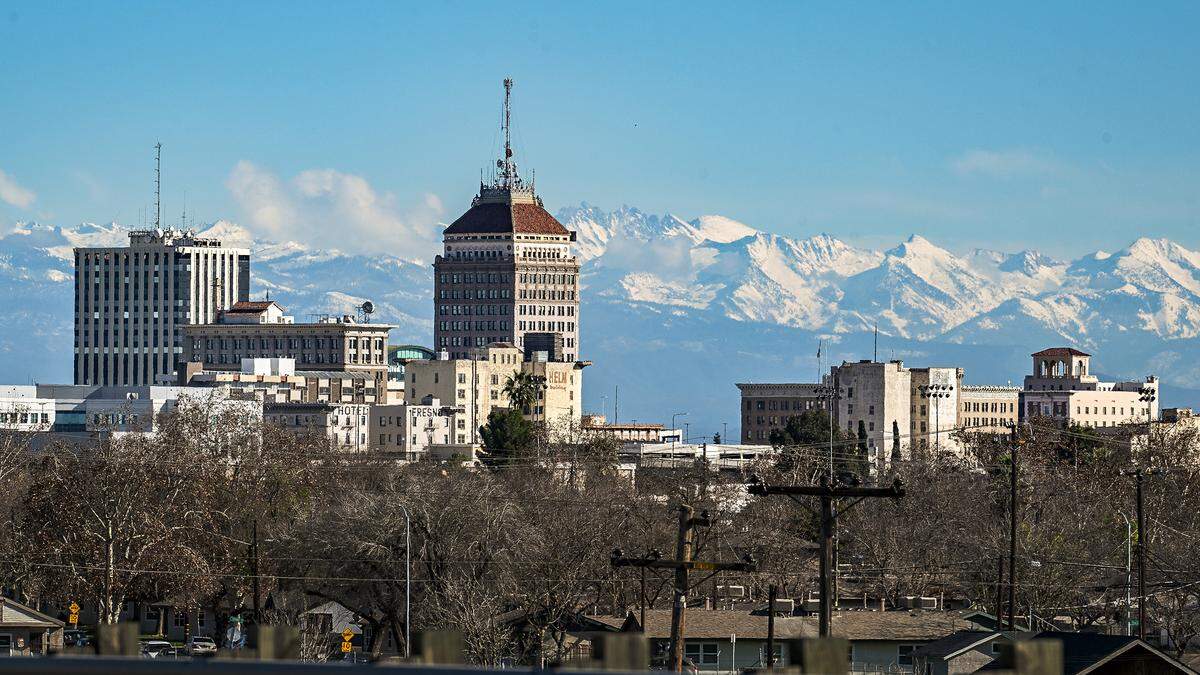
How livable is Fresno?
Overall, Fresno ranked 136th out of 149 metro areas in the United States in terms of livability, according to RentCafe’s analysis.
The Central Valley city scored the highest in the quality of life category, landing at No. 81 nationwide.
However, Fresno ranked among the 10 worst metro areas in terms of socioeconomics and community, RentCafe said.
About 41% of people in the Fresno metro area, which has a total population of about 1.1 million residents, were renters, according to the RentCafe study.
About 26% of Fresno’s population was dealing with “severe housing problems,” the study said.
The cost of living in Fresno was about 8% more than the national index, RentCafe found, while the income growth rate was 4% and the unemployment rate was 8.5%.
Although more than 83% of residents had access to exercise opportunities, about 26% were “physically inactive,” the study found.
There were 21 health care providers for every 10,000 residents, RentCafe said.
Meanwhile, RentCafe reported, the Fresno metro area has just two arts, entertainment and recreation venues per 10,000 residents.
How does Fresno compare to other cities in California?
Fresno was among the lowest ranked metro areas for livability in California, according to RentCafe.
However, the city ranked above Salinas, Bakersfield, and Visalia, which landed at No. 141, No. 144 and No. 146, respectively.
In all, RentCafe analyzed quality of life in 17 California cities.
San Francisco was the highest ranked California city on RentCafe’s list of the nation’s most livable metro areas, landing at No. 33.
Lower down the list, Sacramento was No. 47, Stockton was No. 128 and Modesto was No. 132.

Which metro areas scored the best nationally?
Washington, D.C., topped RentCafe’s list of the most livable metro areas in the nation in 2026, thanks in part to its many arts venues and wide range of clubs and associations.
“Historic landmarks, variety of health care providers and access to green spaces and athletic fields ... make D.C. a top spot for renters looking for work/life balance,” Dragos wrote.
According to RentCafe, these were the top 10 metro areas in the United States for livability in 2026:
- 1. Washington, D.C.
- 2. Portland, Maine
- 3. Kansas City
- 4. Des Moines, Iowa
- 5. Ann Arbor, Michigan
- 6. Albany, New York
- 7. Columbus, Ohio
- 8. Asheville, North Carolina
- 9. Harrisburg, Pennsylvania
- 10. Boise, Idaho
How did RentCafe come up with ranking?
To rank the country’s most livable spots, RentCafe said it analyzed a total of 149 metro areas based a total of 17 factors grouped into three main categories.
The categories were:
- Socioeconomic: Including cost of living, income growth rate, poverty rate, unemployment rate and income inequality
- Quality of life: Including number of poor mental health days, food environment index, exercise accessibility, rate of uninsured people and number of health care providers per 10,000 residents
- Location and community: Including number of highly educated residents, average rate of long commutes and number of arts, entertainment and recreation establishments per 10,000 residents
Data came from sources including the Cost of Living Index, the U.S. Census Bureau, the Centers for Disease Control, Feeding America, the YMCA and the U.S. Department of Housing and Urban Development.