Music festivals, long trails, food: How Fresno could energize its riverfront
Fresno does not have to look far for successful examples of how to bring locals and visitors to a river parkway.
In Bakersfield, the Kern River Parkway boasts the longest municipally-owned bike trail in the country.
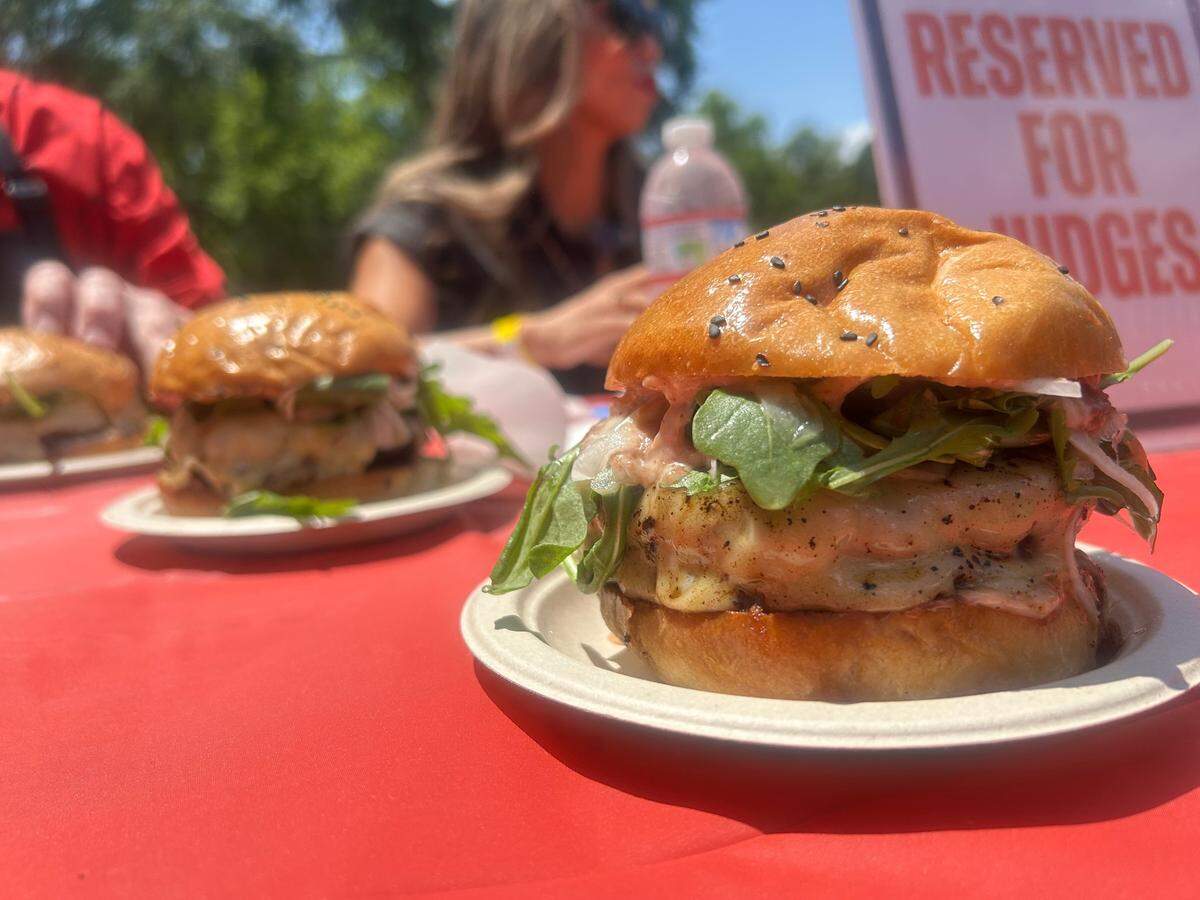
In Sacramento, the American River Parkway hosts archery tournaments, a “Burger Battle” between local chefs and firefighters, and large festivals for rock and country music fans.
That means a lot of visitors for the Sacramento area.
Dianna Poggetto, executive director of the nonprofit American River Parkway Foundation, said there’s a real economic benefit: Those visitors pay a transient-occupancy tax, or TOT fee, to stay in local hotels and Airbnbs.
“Bringing in those dollars is huge,” she said. “You want people to come to your community and enjoy it.”
A “river parkway” is generally considered a collection of public green spaces along a river. In the Fresno-Madera area, the San Joaquin River Parkway also offers some trails and activities.
But, in Fresno, access to the water and revenue-generating activities along the parkway or adjacent to it are limited in comparison to other Central Valley cities. And a lot of Fresnans still don’t know that they can enjoy their river.
According to existing plans, the Fresno-Madera parkway will one day offer a full trail system along 22 miles of the San Joaquin River from Friant Dam to Highway 99. However, the path to completion has been far from simple, or speedy.
Unlike the Bakersfield and Sacramento projects, the development of a full Fresno-Madera parkway still depends on the willingness of private landowners to sell at least portions of their properties for public easements next to the water. In recent years, river bluff homeowners slowed the enhancement of public access to the river west of Highway 41 — a project known as River West. And, according to Fresno officials, the city is waiting for River West’s completion before it provides the parkway millions of dollars generated for it by Measure P, a sales tax city voters approved in 2018 for Fresno’s parks.
There are also competing ideas about what types of development and activities will attract visitors to a parkway dedicated to education, conservation, and low impact recreation.
But its potential to become a prominent destination for outdoors recreation-seekers remains. And, like in Sacramento and Bakersfield, main attractions would not necessitate disruptive commercial development next to the water.
Bakerfield’s Kern River Parkway
In Bakersfield, voters approved a bond in 1976 that allowed the city to buy the Kern River water rights from former agricultural corporation Tenneco West Inc. for $15.5 million.
The plan for the Kern River Parkway was adopted in 1988, and today the parkway features a list of publicly-accessible green spaces. There are conservation areas, parks with athletics facilities and, on Bakersfield’s west side, a shopping center anchored by a Target that offers access to the parkway.
That’s not to say the parkway is not without its problems.
Unlike Fresno’s lush stretch of the San Joaquin River, the Kern River runs dry through a large portion of urban Bakersfield. Restoring the river, as has happened in Fresno, is the ultimate goal of a lawsuit that advocates filed against the city, arguing Bakersfield has not allowed enough water to flow to keep fish alive.
Still, the Kern River Parkway managed to grow to 36.3 miles, which allowed Bakersfield to claim the title in 2022 of longest municipally-owned bike trail in the nation.
Bill Cooper, co-founder of the nonprofit Kern River Parkway Foundation, said its the parkway’s main attraction.
“We have people come from out of town to ride it,” he said, “but it didn’t happen overnight.”
The trail is now being extended another six miles from the river into northwest Bakersfield.
Cooper said the bike trail has increased interest in bicycling in Bakersfield.
“When we first started, there were like two old established bicycle shops in town,” he said. “Now, there may be 10 or 12.”
Sacramento’s American River Parkway
The idea for Sacramento’s American River Parkway was born more than 100 years ago.
It was first proposed in 1915 by a Sacramento planner named John Nolen, who submitted plans to the city that included a “continuous park” along the waterway, according to the Sacramento County Regional Parks office.
County voters then approved a $12.6 million bond in 1972 that allowed for land purchases and development of the parkway.
In 2006, according to a financial study, visitor spending related to the parkway within the Sacramento area reached an estimated $364.2 million.
And, like Fresno’s river project, Sacramento’s effort is also dedicated to conserving green space. It’s governed by the American River Parkway Plan, which was adopted by the state legislature.
“There cannot be any commercial development on the parkway,” said Poggetto, of the American River Parkway Foundation.
“But when you look at the economic value, there can be concerts and events that are held on the parkway,” she added.
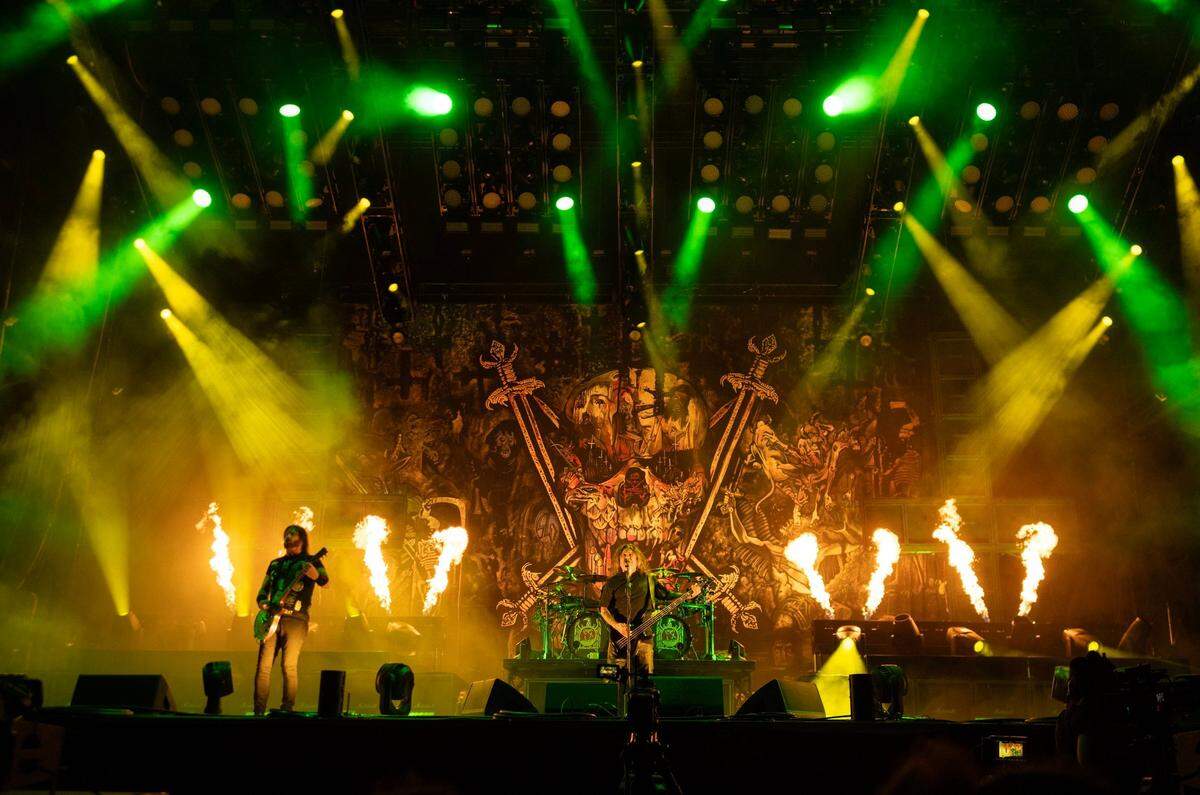
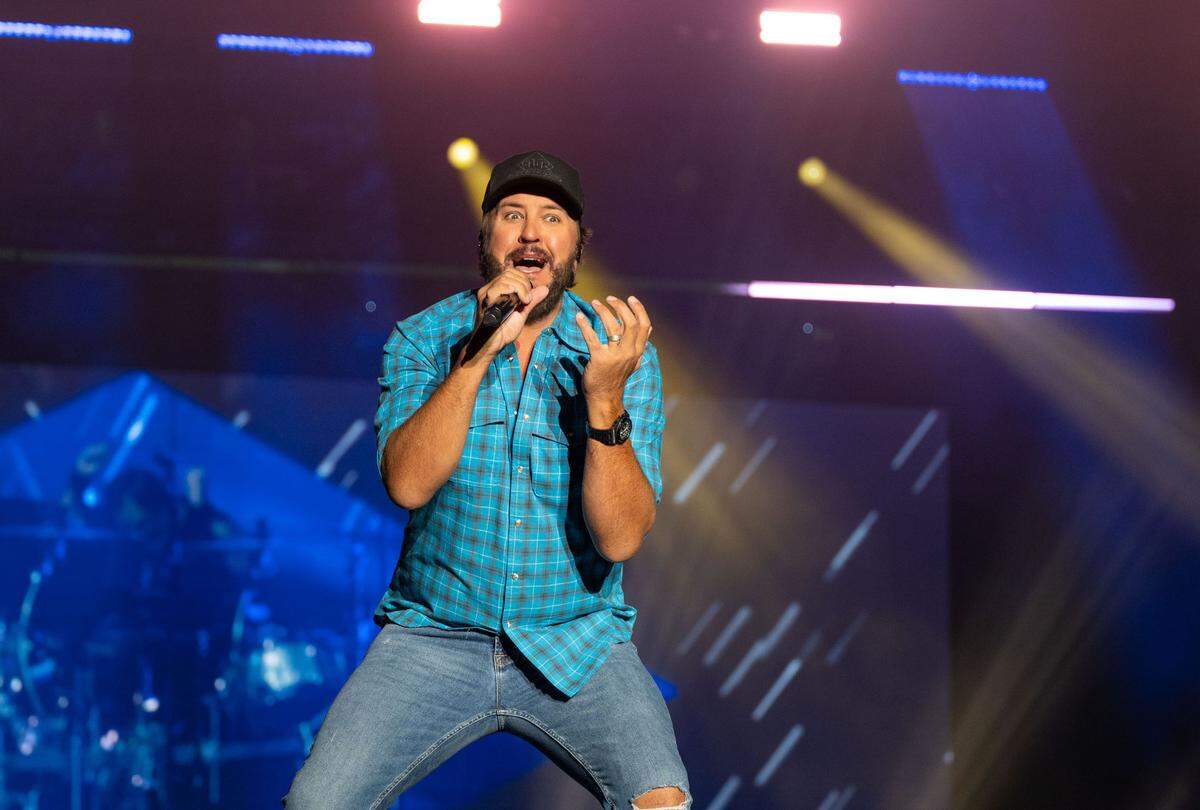
Poggetto noted the hard rock Aftershock Music Festival and the country Golden Sky Music Festival. Both days-long festivals are usually held in the fall at the American River Parkway’s Discovery Park.
Golden Sky is not expected to return until 2026, but last year it brought 75,000 fans to the parkway while generating an estimated $14 million for the local economy, The Sacramento Bee reported. The newspaper also reported that Aftershock brought 160,000 fans to the parkway last year, while generating $30 million for the area.
The tax dollars those music fans pay when they stay in Sacramento hotels and Airbnbs, said Poggetto, can be used to support other operations within the city.
“That’s the greater economic value of having a parkway versus necessarily increasing values of businesses,” she said.
This story was originally published June 3, 2025 at 6:30 AM.