Some call our city ugly and boring. In reality, ‘Fresno is a cultural hotbed’
Working orchards blossomed pink and white flowers a few weeks ago along an almost 70-mile trail that the state’s tourism bureau touts on its website. The vibrant fields provide stunning beauty as part of a Fresno agriculture industry that powers the economy as it helps feed the world.
Our city’s world-class authors plan book releases this year while teaching the next generation of poets and writers. Artists work together everyday to fill our studio-rich town with creative visuals. On most days, snow-capped Sierras hover in the distance just above the downtown skyline, like in a movie or on a postcard.
And yet, on the internet, a Tik Tok reel with almost 149,000 likes and 33,000 shares calls Fresno the “ugliest town in California.” Google searches about Fresno yield results with words including “bad,” “boring” and “the twilight zone.” Many residents come to their city’s defense, but others enable and justify the negative images and labels.
“They should do their research more often instead of watching Instagram or YouTube videos,” Fresno resident Jennie Graham said of the city’s critics.
She and her partner, a local artist known as Roeski Doeski, co-own Hella Fresno, a graphic design company that also helps promote local artists’ work. They built Hella Fresno, in part, around the idea of “loving where you’re from.” (Hella is a slang term that can stand in for “very” and “a lot of.”)
To them, and other Fresnans whose job it is to tell the city’s stories, the bashing could stem from the city’s placement in the middle of the state. It appears stuck between two metropolitan areas — which also struggle with crime and homelessness — that hold a level of worldwide fame seemingly out of Fresno’s reach.
Sure, the city has its problems, these Fresnans say. But they also describe a community that is lively, resilient and that has made great contributions to culture, literature and the arts. For example, Fresno is home to a larger-than-typical group of award-winning authors of various genres that as a group fly a bit under the radar. Why?
“It is definitely human nature to find the negatives,” said Visit Fresno County CEO Lisa Oliveira. “I wish I had more people to continue to share the positive message of what’s happening here.”
The Fresno Bee regularly covers crime, homelessness and the other difficulties that our city deals with on a daily basis. To be sure, these are important news stories and topics for us to follow. But we are also dedicated to building up our community by highlighting our assets. As part of that, we are embarking on an effort to “Flip the Script” about our city, to get beyond some of the knee-jerk characterizations and challenge various narratives that suggest we are no more than a collection of our negatives.
Over this year, Bee reporters will carry out this coordinated effort by delving into the truths and falsehoods about Fresno through news stories and community engagement events. We’re also looking to explore solutions, such as exploring smart marketing ideas.
As part of our initiative, we’ve already asked you, our readers, to tell us what you love about Fresno. In our survey, some said they loved the city’s central location in the state with easy access to the coast and the mountains, relatively affordable housing compared to other California cities and minimal traffic. Others said they enjoy the city’s diversity, local music and arts scene and robust civic life.
Most of all, it’s the people that make a place, readers said.
“There is a functionality and lifestyle about Fresno that values and allows quality time for friends, family, and neighbors, if one chooses,” said Susan Lea, 69, a retired healthcare provider born and raised in Fresno.
More positivity about Fresno
Visit Fresno County (the name of the local tourism bureau) partners with local hotels to tell Fresno’s story to the world and attract visitors for overnight stays.
“It always just made me laugh hearing that everyone shared that there was nothing to do here,” Oliveira said of a common negative refrain about Fresno. “Maybe it’s not the experience that you were expecting when you were coming to California.”
But to her, Fresno’s story is that of “a different side” of the state.
Oliveira said Fresno’s proximity to two popular national parks is typically the biggest draw. But beyond that, she said, Fresno can leverage its arts, music, cultural events and culinary scenes.
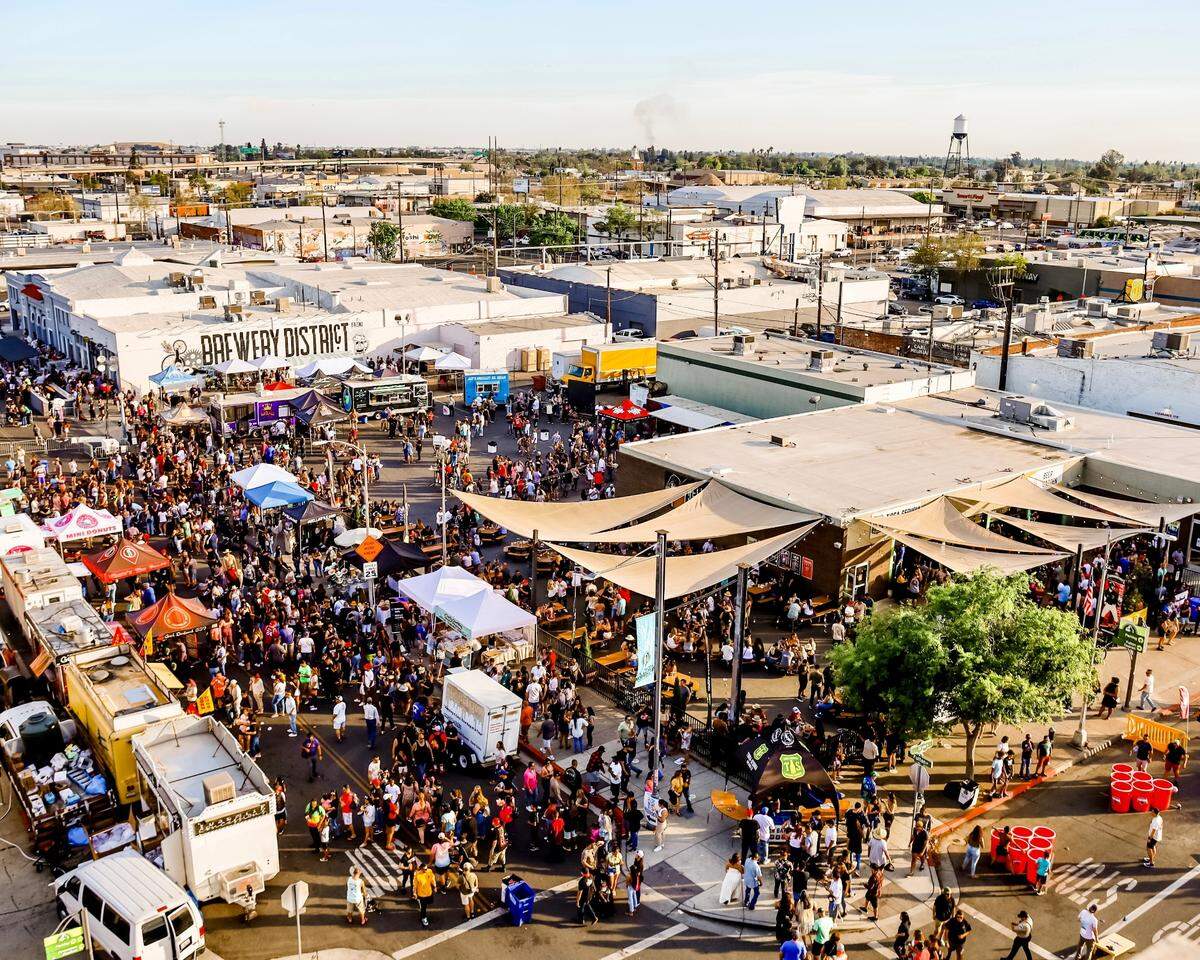
Think Hmong New Year, ClovisFest and FresYes Fest — which came back to downtown Fresno last week.
Oliveira said these events started small and at the grassroots level. They have continued to grow each year, and now draw thousands of people to different pockets of Fresno and Clovis.
“Fresno is a cultural hotbed,” said Patrick Fontes, a Fresno State history professor and fourth-generation Fresnan. “We get overshadowed by San Francisco and Los Angeles. But Fresno is able to stand on its own.”
Why Fresno is a ‘cultural hotbed’
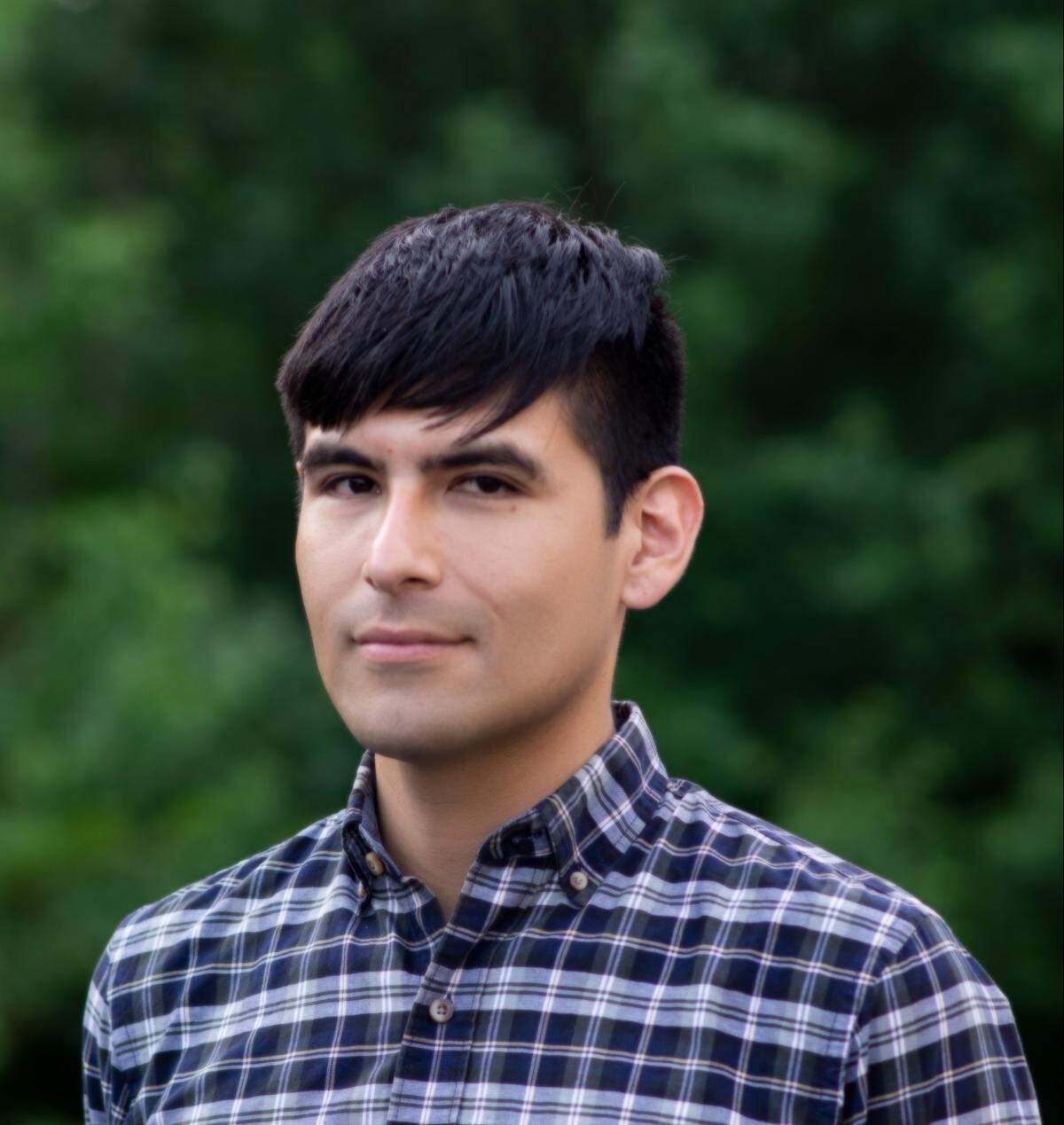
As an award-winning poet, Anthony Cody has found himself in the nation’s biggest cities, from Los Angeles to New York. The question of his home and roots often comes up.
“’Oh, you’re from Fresno? That’s where the writers are from,’” Cody said his peers in literature tell him.
That’s because the list of nationally-acclaimed writers who have called this area home is long.
Among others, it includes: journalist Mark Arax, former U.S. poet laureates Philip Levine and Juan Felipe Herrera, California Poet Laureate Lee Herrick, Fresno Poet Laureate Joseph Rios, Pulitzer Prize poetry finalist Mai Der Vang, and the Armenian American novelist William Saroyan.
“There is a huge literary scene here,” Cody said. “On any given night, there could be a poetry reading anywhere in this city.”
In part, Fresno storytellers say, the city’s status as home to so much great literature and other art stems from the artists’ connection to the area’s history of grit and hard work.
Fontes, the history professor, said that particular history goes back to the days when the Central Valley belonged to New Spain and then Mexico. Outlaws and Native Americans who escaped from Catholic missions sought refuge in Fresno. Then immigrants, refugees and their descendants worked the agricultural fields while also fighting to better their lives.
“We’re willing to show up and do the hard, ugly work, both internally and externally, to try to do something better,” Cody said. “I think that’s something that we should embrace.”
Roeski Doeski, the local artist who co-owns Hella Fresno with Graham, his partner, described that spirit of perseverance with an anecdote.
“One time, we saw a homeless person turn a shopping cart on its side, light a fire underneath it and start cooking meat on the top,” Roeski said. “We were driving by and said, ‘That’s hella Fresno.’
“It’s making something out of nothing.”
“It’s overcoming whatever,” Graham added.
Melissa Montalvo contributed to this report.
.JPG "Juan Felipe Herrera_08-15-22_MOB (9).JPG")
.JPG "Maqueos Music_09-24-23_MOB_ Fresno (9).JPG")
This story was originally published March 27, 2025 at 5:30 AM.
CORRECTION: An earlier version misspelled the last name of Lisa Oliveira, CEO of Visit Fresno County.