Federal prosecutors urge judge to sentence Bitwise founders to 12 years in prison
READ MORE
Bitwise
Expand All
UPDATE: Bitwise co-founders sentenced to prison time following fraud convictions
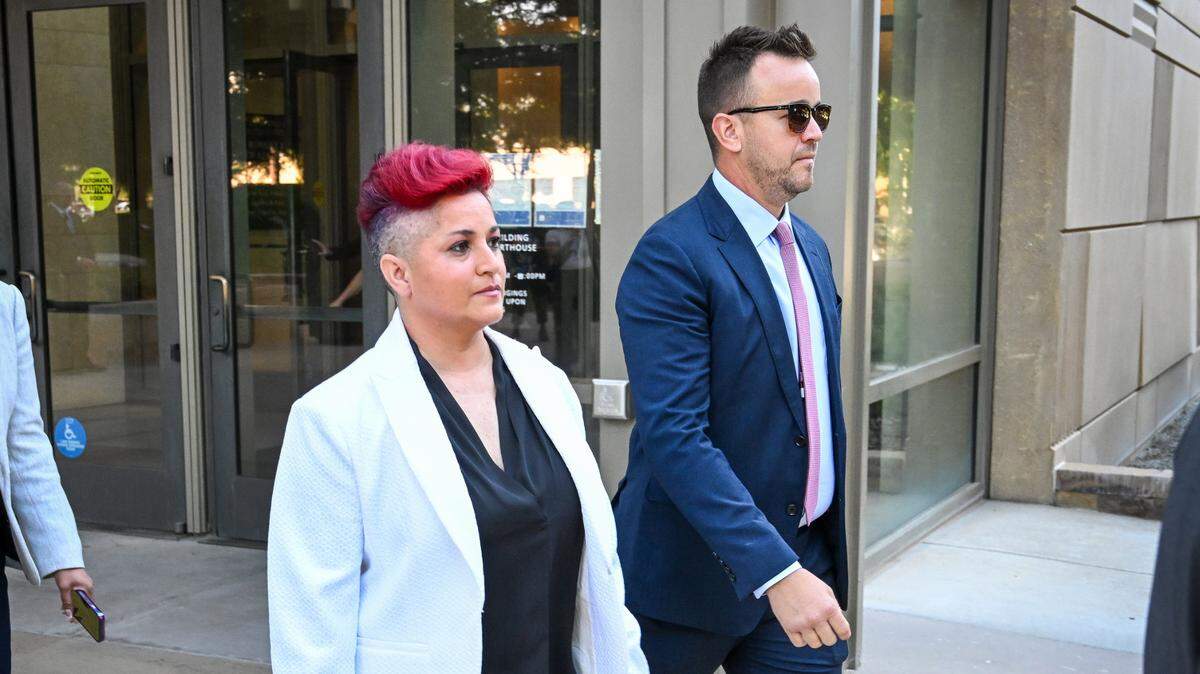
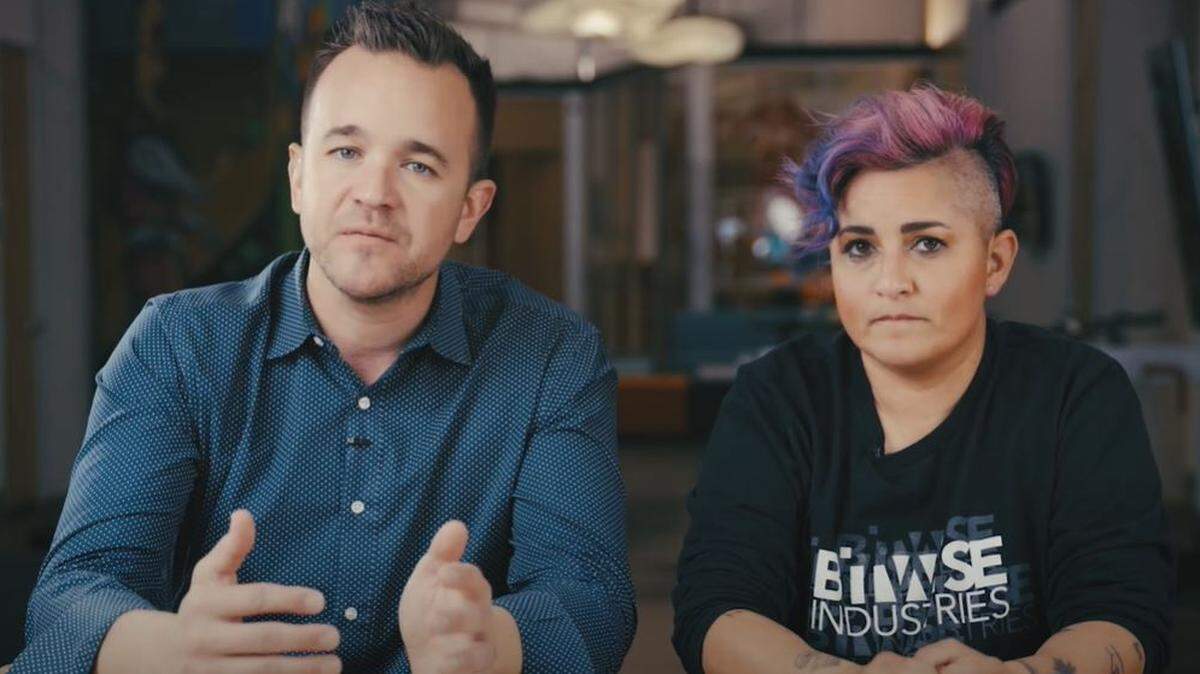
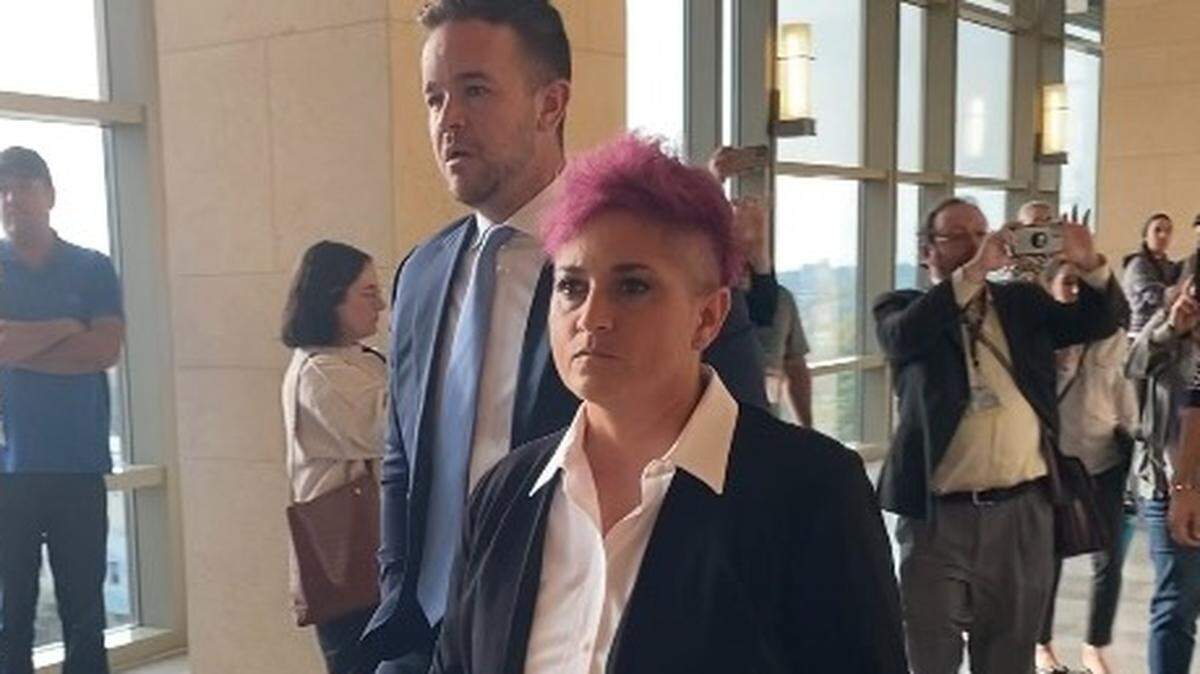
ORIGINAL STORY: Federal prosecutors will ask a judge on Tuesday to sentence convicted white-collar criminals Jake Soberal and Irma Olguin Jr., founders of the failed Bitwise Industries, to 12.5 years in prison for masterminding a scheme to defraud investors of $115 million.
The one-time darlings of Fresno’s entrepreneurial community, Soberal and Olguin have pleaded guilty to one count each of conspiring to commit wire fraud and wire fraud.
At one time, their Fresno-based company employed up to 900 people before it crashed in May 2023, shattering the lives of their former employees and supporters who championed their efforts to create a hub of technology entrepreneurship.
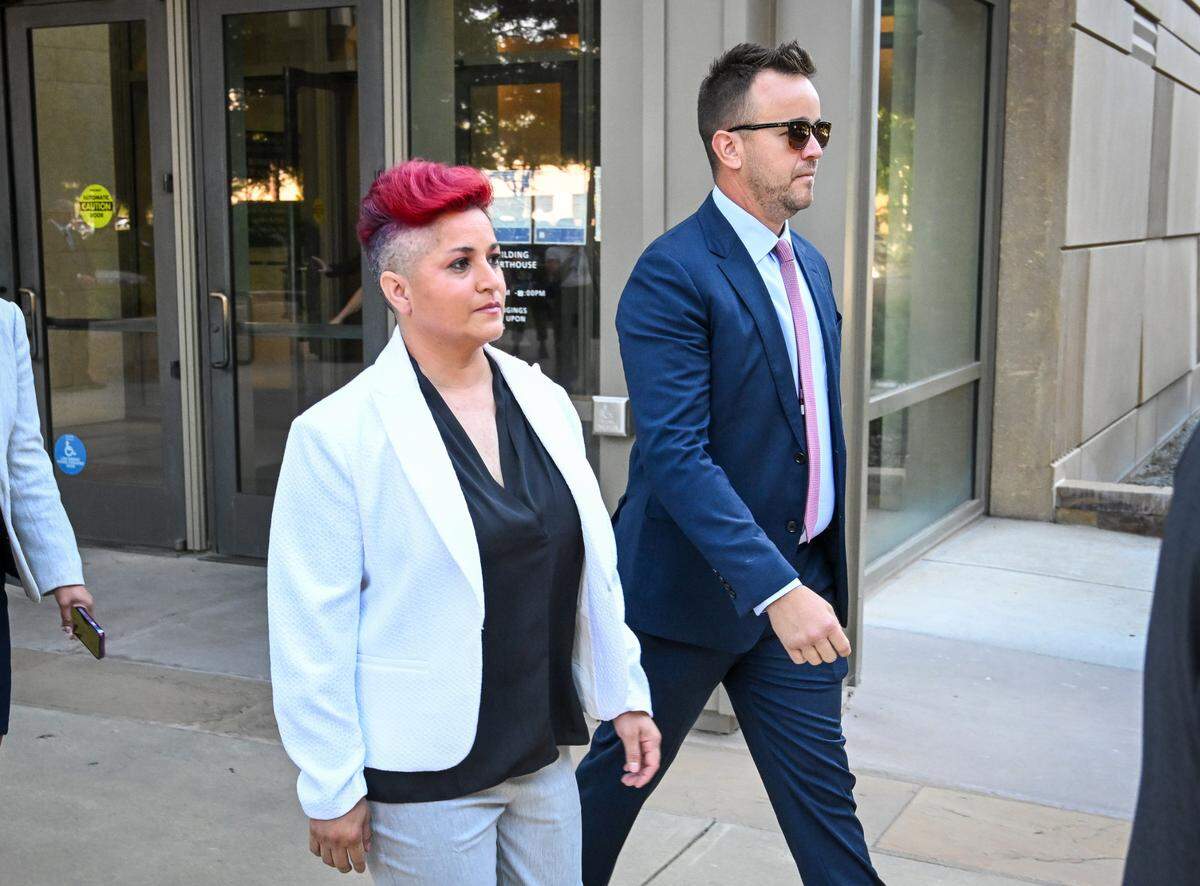
Soberal and Olguin are due to be sentenced in federal court before U.S. District Judge John C. Coughenour — an ending to one of the more shocking chapters in Fresno history.
Assistant United States Attorneys Joseph Barton and Henry Carbajal III described the Bitwise collapse as one of the largest, and highest profile, financial frauds in the region’s history.
“And for that, they should be made to serve meaningful prison sentences,” according to court documents.
Soberal and Olguin face up to 40 years in federal prison plus a $250,000 fine. But prosecutors are only asking the judge for 12.5 years, in part, because the defendants accepted responsibility early in the process and have no criminal record.
The government is also seeking $115 million in restitution.
Attorneys for Bitwise execs ask for leniency
Attorneys for the pair will present their arguments for leniency before the judge.
In court documents filed last week, Soberal’s attorney, Eric H. MacMichael, and Olguin’s attorney, Daniel Olmos, said a five-year prison sentence would be appropriate for the defendants.
The attorneys describe their clients as being extremely remorseful for their crime and have accepted responsibility for lying to investors about the company’s true financial worth.
The lawyers said their clients didn’t commit fraud for financial gain but to try and keep the company afloat. They said both have already paid a very heavy price for their misdeeds.
“Mr. Soberal lost his life savings through the collapse of Bitwise, and his family’s financial situation is precarious. Mr. Soberal faces the reality of significant time away from his family and ultimately reintegration into the same community where he committed his offense,” according to court filings. “Adding a lengthy prison sentence does little to increase the deterrent effect when Mr. Soberal still faces various other consequences such as losing his license to practice law, his status as a convicted felon, and payment of restitution.”
The lawyers are hoping the judge also takes into consideration the tough upbringing of Soberal and Olguin, who lived through childhood trauma to become leaders, innovators and role models in the community.
“Ms. Olguin’s journey from poverty to accidental opportunity in the technology industry to leading an exciting technology company in the heart of the Central Valley inspired many who could relate to her experiences and see themselves potentially reaching for a better life,” according to court filings. “Though Ms. Olguin was not interested in the limelight, she was keenly aware of the responsibility of telling her story and using her lived experience to inspire others. The company adopted the slogan ‘No one belongs here more than you’ to emphasize the idea that everyone was welcome at Bitwise and that people of all talents and backgrounds were encouraged to try.”
Prosecutors say Soberal, Olguin ‘boasted’
Prosecutors allege that Bitwise appealed to “social impact investors” who wanted to see their money promote certain social values while also generating significant returns. But when the money from the social impact investors began to dry up, they turned to lenders and others.
In a text message exchange obtained by investigators, Soberal and Olguin appear to reveal that they were “aware of the gravity of their misconduct, approved of it and sometimes relished it.”
“They boasted when they tricked someone into giving them more money and talked about how strong it made them feel,” according to court filings.
One month before Bitwise imploded, Soberal texted Olguin about the positive feedback the company was getting.
“People just rave about watching us do good work and being for us. Old, white, conservative, rich dudes, raving about our crazy, money-losing, progressive ideas,” Soberal texted, according to court filings.
While prosecutors acknowledge the defendants cooperated with authorities and admitted their guilt early on in the investigation, they are suspicious of the theory that they use fraud as a means to keep people employed. They took advantage of their employees.
“They even misappropriated their employees’ 401(k) contributions and solicited the employees’ friends and family members,” according to court filings “Such behavior belies any contention by the defendants that their primary aim in committing the fraud was to protect employees’ jobs. In reality, the defendants were consumed by their own delusions of grandeur and resorted to Ponzi scheme tactics to prop up Bitwise until the weight of their crimes caused the company to collapse.”
This story was originally published December 16, 2024 at 4:44 PM.