‘Suspicious’ Fresno case remains unsolved on missing, murdered Indigenous women day
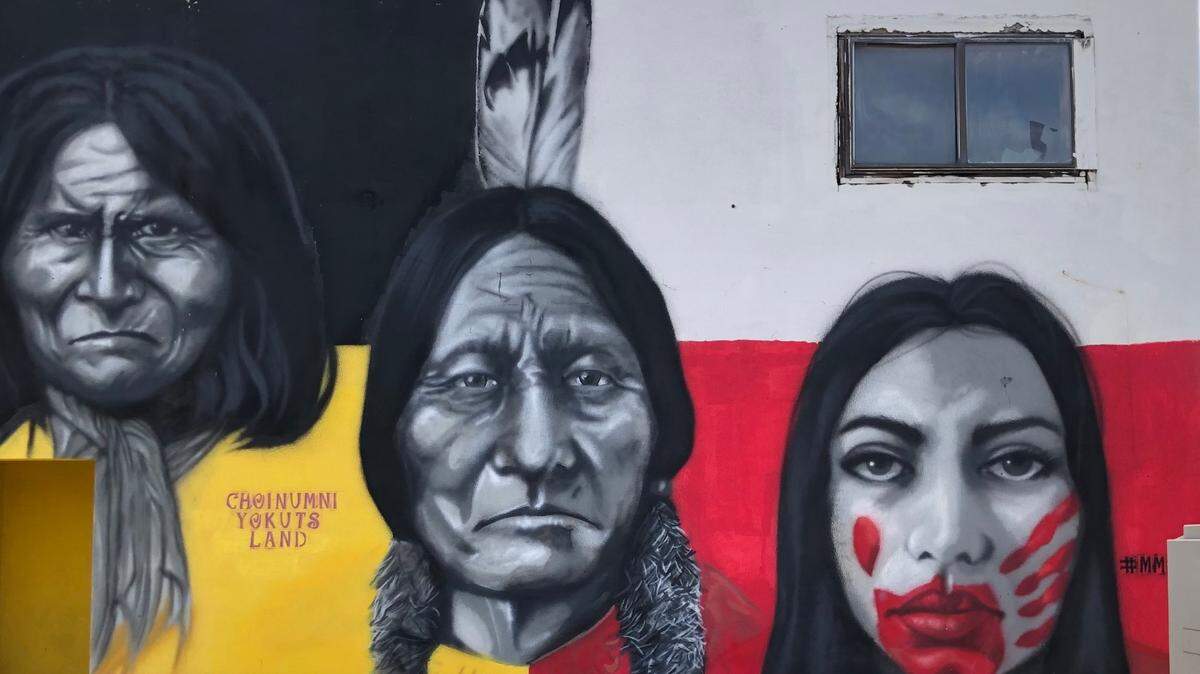
The unresolved cases of missing Indigenous women are a problem nationwide, including in Fresno County, where the 2021 death of an Indigenous woman remains unsolved about nine months after she went missing.
According to a 2018 report by the Urban Indian Health Institute that analyzed data from the National Crime Information Center, of the 5,712 reports of missing American Indian and Alaska Native women and girls in 2016, the U.S. Department of Justice’s federal missing-persons database only logged 116 cases.
Furthermore, the UIHI found that out of 506 unique cases of missing and murdered American Indian and Alaska Native women and girls across 71 U.S. cities, 128 or 25% were missing-persons cases, 280, or 56%, were murder cases, and 98, 19%, had an unknown status.
Authors of the UIHI report say the lack of data on missing and murdered Indigenous women and girls is a “crisis” that leads to “institutional practices that allow them to disappear not once, but three times—in life, in the media, and in the data.”
The case of Bessie Walker, a 27-year-old from the Fresno County town of Auberry, is just one example of an unsolved death of an Indigenous woman.
Walker, of the Mono Indigenous people, was reported missing on Aug. 8, 2021. She was found dead on Aug. 21, 2021, by family and friends who had formed a search party.
And while the cause of death remains unclear and an autopsy reported the cause of death to be ‘undetermined’— Walker’s case has become another reminder that such incidents too frequently remain unsolved.
Part of the problem in resolving such cases, says Morning Star Gali, a member of the Pit River Tribe and project director for Restoring Justice for Indigenous People, is the “inequity” in media coverage and law enforcement support for Indigenous women compared to other missing persons.
“When Bessie went missing, it was the same time that Gabby Petito went missing,” Gali said in an interview with The Bee earlier this week.
Petito, a 22-year-old woman from Blue Point, York, was reported missing on Sept. 11, approximately a month after Walker was reported missing. Petito, whose body was found in Grand Teton National Park in late September, has received ongoing attention from national media as the investigation unfolds.
“The (Walker) family really felt like it up to them to conduct the searches,” said Gali, who was in touch with Walker’s family during the search. “They didn’t feel like they were (getting) that much support at all from the local sheriff’s office or from local law enforcement.”
The crisis of murdered and missing Indigenous women
According to a 2016 study by the National Institute of Justice, more than four in five American Indian and Alaska Native women have experienced violence, including 56.1% who have experienced sexual violence.
Often, such tragedies can be fatal.
Murder is the third-leading cause of death among American Indian/Alaska Native women, according to the 2018 UIHI report.
Lawmakers are increasingly taking action to address both violence against Indigenous women and the investigations into their deaths.
In April 2021, U.S. Secretary of the Interior Deb Haaland created a new Missing & Murdered Unit within the Bureau of Indian Affairs Office of Justice Services. The unit provides leadership and resources across federal agencies and to tribal governments in investigating these cases. Complex jurisdictional issues between local law enforcement and tribal governments are frequently part of the challenge in resolving these cases.
“Far too often, murders and missing persons cases in Indian country go unsolved and unaddressed, leaving families and communities devastated,” said Haaland in a news release on the new unit.
On Thursday, a bipartisan coalition introduced a resolution to the U.S. House of Representatives to designate May 5, 2022, as the National Day of Awareness for Missing and Murdered Native Women and Girls in an effort to bring awareness to the ongoing crisis impacting Indigenous women across the country.
Advocates say they hope the day brings awareness to the unresolved deaths.
“Native women have been trafficked and murdered since times of colonization,” Gali told The Bee on Thursday. “This isn’t anything new.”
How does offensive term relate to missing, murdered Indigenous women?
Indigenous people say the use of the term “squaw,” which many have replaced with the phrase “s-word,” perpetuates violence against Indigenous women. The term, found on many public lands and places, is widely considered a slur to demean Indigenous women.
“The word lends itself to empowering a society that thinks it’s okay (that these murders go unresolved), that resources don’t have to be spent to curb these statistics to bring about justice,” said Roman Rain Tree, a Fresno-based Indigenous leader of the “Change S Valley” coalition.
Efforts to remove the term from public lands are underway at the local, state, and federal levels.
The federal government is reviewing a name change proposal for the Fresno County census-designated place, Squaw Valley. Some local residents, championed by Fresno County Board of Supervisor Nathan Magsig, argue that the name change decision should come from the residents.
In November, Haaland formally declared labeled the term “squaw” a derogatory word and is taking steps to remove the offensive word from public lands.
At the state level, Assemblymembers James C. Ramos, a Democrat from San Bernardino County and a member of the Serrano/Cahuilla tribes, and Cristina Garcia, a Democrat from Bell Gardens, co-authored AB 2022, a bill that would remove the word “squaw” from all geographic features and place names in the state. The bill is making its way through the legislative process and is expected to be heard in an assembly appropriations committee in the coming weeks, according to a spokesperson for Ramos.
Fresno County investigators offer reward for information on suspicious death
Law enforcement officials are seeking help from the public in solving the investigation of Walker’s death.
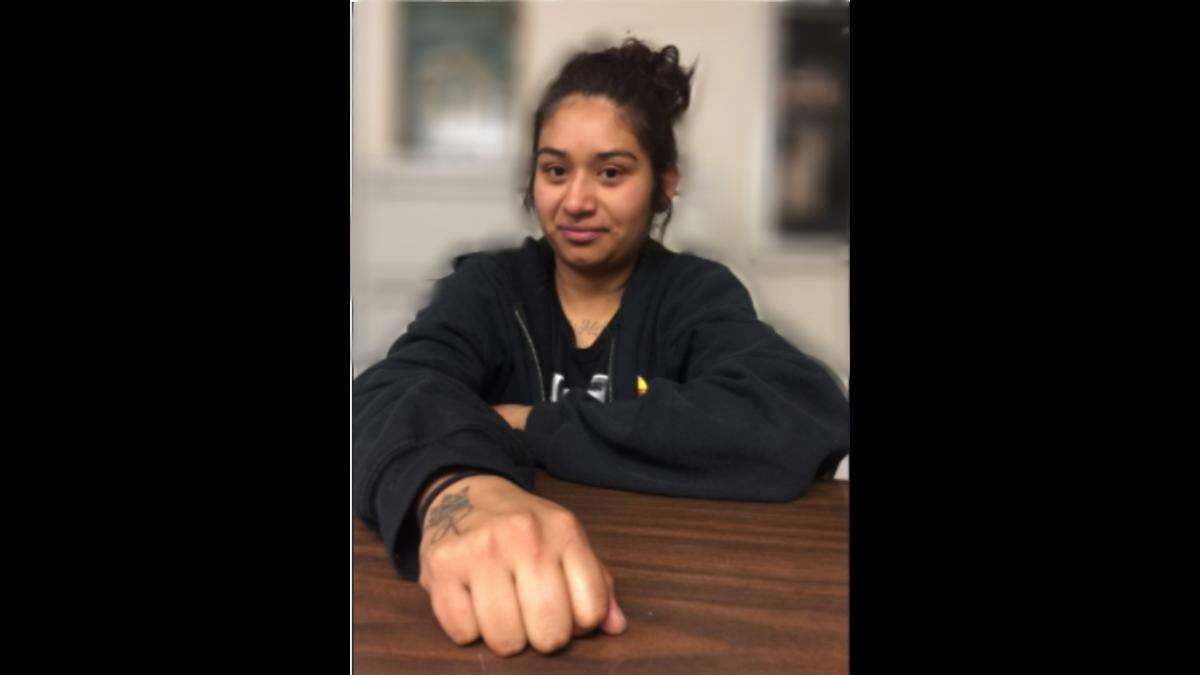
Fresno County sheriff’s deputies say they have a $10,000 reward for someone that comes forth with information on Walker’s death, which they consider the death to be “suspicious,” according to a news release issued last month on the case.
“We’re seeking any leads we can,” Tony Botti, a sheriff’s office spokesperson, told The Bee on Thursday. “Hopefully that reward will encourage people to come forward with anything they might know.”
Anyone with additional information about Walker is asked to contact the Detective Jose Diaz at 559-600-8204 or Crime Stoppers at 559-498-7867, www.valleycrimestoppers.org. You will remain anonymous and may be eligible for the $10,000 cash reward.
This story was originally published May 6, 2022 at 11:16 AM.