
Central Valley Latinos remain underrepresented in COVID vaccinations. Here’s why
This story is part of the Central Valley News Collaborative — a bilingual, community journalism project funded by the Central Valley Community Foundation and with technology and training support from Microsoft Corp. The collaboration includes The Fresno Bee, Valley Public Radio, Vida en el Valle, Radio Bilingüe and the Institute for Media & Public Trust at Fresno State.
Nearly two weeks after Gov. Gavin Newsom announced a plan to allocate 40% of California’s vaccine supply to people living in the state’s most vulnerable neighborhoods, some advocates worry the Central Valley’s communities of color hardest-hit by COVID-19 are still being left behind in the vaccine rollout.
Across the region, Latinos make up a majority of the population and an even greater share of COVID-19 cases. But in most instances, vaccination rates are not proportionate.
In Fresno County, one of the Valley’s most populous areas, Black and Latino residents make up about 60% of the population and nearly half of all cases, but account for just 34% of the 262,364 total doses administered as of March 17, according to the California Department of Public Health. About 30% of vaccines have gone to white residents, who account for 28.6% of the population and 16% of infections.
Vaccine disparities persist in smaller Valley counties with dense Latino populations as well.
In Madera County, where nearly 60% of all residents are Latino, 35,835 COVID-19 shots have been administered to date, according to the state health department. As of Wednesday, about 33% of those have been given to Latinos in the county, while 36.9% have been given to white residents. Latinos represent 67.3% of all COVID-19 cases and whites make up 26.1%, state data shows.
These disparities continue despite the state reaching its initial goal of administering 2 million doses in the most disadvantaged communities. Still, local health officials say the state effort is a step in the right direction. They stress the importance of mobile clinics, community-based outreach and education campaigns that dispel vaccine myths to continue boosting vaccination rates in communities of color.
But advocates say the pandemic exposed existing inequalities for the region’s Latino and immigrant communities, adding that state officials should have taken these disparities into account before beginning the vaccine distribution process.
“The Central Valley was like a perfect storm waiting to happen with the pandemic because of the inequities that existed before — those inequities were magnified as a result of COVID-19,” said Genoveva Islas, executive director of Cultiva La Salud, a Fresno-based nonprofit focused on creating healthier communities in the San Joaquin Valley.
With the new equitable vaccination program, Islas said, the state is now “trying to compensate” for the initial lack of “investment in messaging, ads and communications” to low-income communities of color.
“There was not an equity lens and these resources were rolled out in a way where people who were connected to power and privilege were aware and able to get in line (for a vaccine) first,” Islas said. “More of that happens now, but I don’t think that it was how it originally played out — they’re trying to compensate.”
Why vaccination disparities have persisted
Newsom on March 4 announced the equitable vaccination program, recognizing that underserved groups have been disproportionately sickened and killed by COVID-19 and have not been receiving a proportionate share of vaccine doses thus far.
The new plan includes “efforts to do more, to do better, to reach out to underserved communities, communities that have been disproportionately impacted by this pandemic,” he said, by allocating 40% of California’s vaccine supply to the state’s most disadvantaged communities. In Fresno, Kings, Madera, Merced, Mariposa and Tulare counties, those areas are home to more than 1.1 million people.
Despite meeting the initial 2 million-dose goal last week, just 20% of all 12.6 million vaccinations administered to date have gone towards Black and Latino communities, while white residents, who represent 20% of the state’s total infections, account for more than 32% of vaccine recipients. Together, Black and Latino residents make up about 46% of the state’s population, but account for about 59% of all COVID-19 cases and about 53% of deaths, according to the state health department.
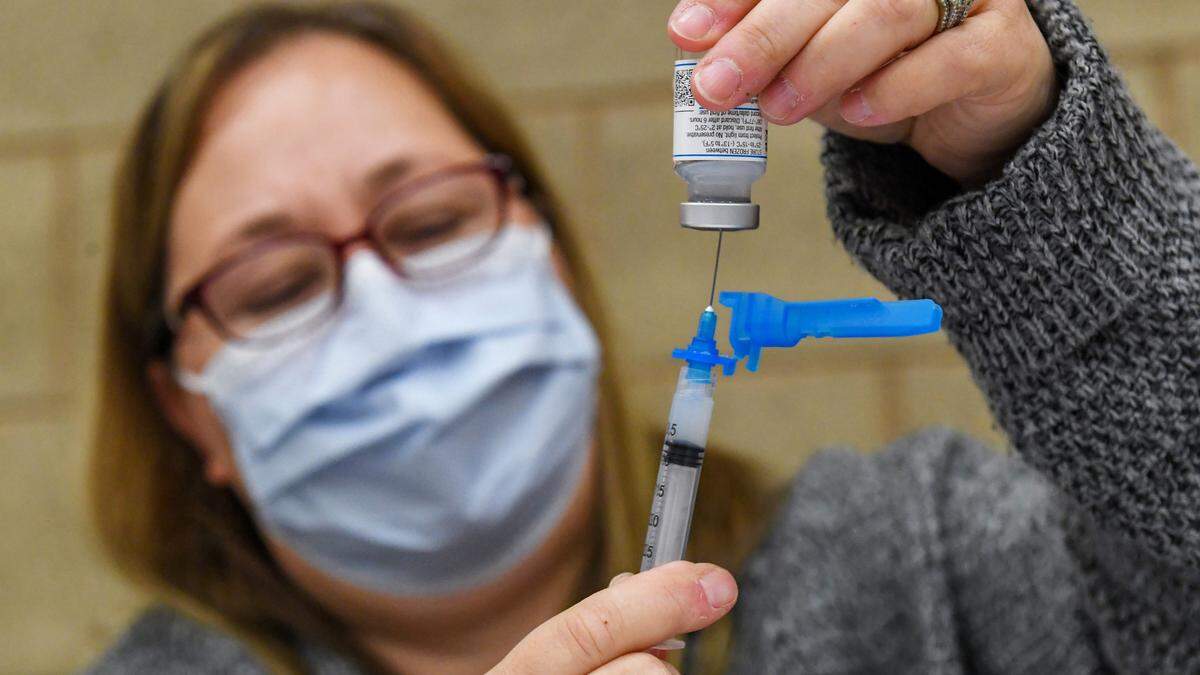
County and state health officials acknowledge the need to reduce disparities in vaccination. They say communities of color are underrepresented in vaccinations because the groups that the state initially prioritized for the vaccine, such as seniors over 65 and healthcare workers, were overwhelmingly white.
Sarah Bosse, Madera County’s public health director, said healthcare workers are not “demographically representative of the population,” adding that the workforce includes “people who have had more educational opportunities,” which makes them “more likely to be white.”
“When we saw the data of who was being vaccinated among our healthcare workforce it did reflect fewer people of color — that was a concern we had,” she said.
Bosse said representation is likely to grow now that the state has expanded eligibility to groups with higher populations of Latinos, including food and agriculture workers and emergency services staff. The state has also expanded vaccination to people ages 16 to 64 who are disabled or at high risk for complications from COVID-19.
“We are seeing that trend as we move into the groups who are more likely to have representation that are Latino,” she added.
Dr. Janet Coffman, a professor of public policy at the University of California, San Francisco, said people of color are underrepresented among the state’s physicians and registered nurses. That’s one reason why more white people have been vaccinated for COVID-19, she said, adding: “I do not think that is the only explanation.”
She noted that a “substantial share” of the health care work force is composed of certified nursing assistants, home health aides and personal health aides. Blacks, Latinos and Asian/Pacific Islanders make up a greater share of these workers, she said.

Dr. Tomás Aragón, director of the California Public Health Department offered another explanation for the disparity in vaccinations during a media briefing last week. Latinos are “generally younger,” he said, so “if we only focus on people who are older, that will not be enough.”
“That is why it is very important that we work with community organizations to be able to access, focus on and vaccinate the person who is most at risk, the person who is older, agricultural workers, and education workers is very important,” he said.
Whites made up 61% of those over 65 in 2012, according to the nonpartisan Public Policy Institute of California, which projects that whites will comprise nearly 50% of the senior population by 2030.
Is the newest equity program making an impact?
But advocates say the disparities in vaccination rates point to entrenched inequalities. They say communities of color continue to face barriers when it comes to getting vaccinated including struggling with accessing state websites, finding appointments and receiving COVID-19 related information in their native languages.
Islas said Latinos are more likely to hold jobs in the agricultural or service sector because the community is not afforded as many educational opportunities as more affluent, white residents in the Valley.
Though the healthcare workforce being predominantly white could explain some of the disparity, she said, the initial lack of messaging and information for Latinos, especially eligible seniors, set them back. Many didn’t know how to how to find out if they were eligible for vaccination or sign up for an appointment, she added.
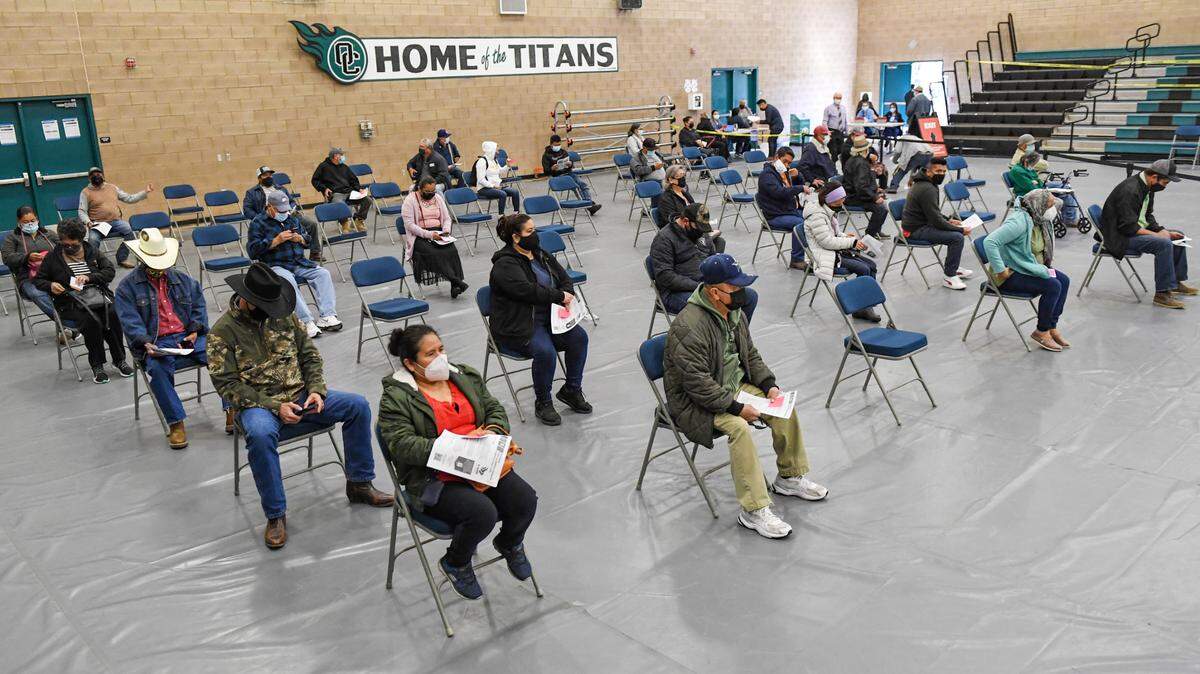
There’s another deep-seated reason the region is struggling to vaccinate immigrants and communities of color, said Madeline Harris, a policy advocate at the Leadership Counsel for Justice and Accountability, a community advocacy organization that operates in the San Joaquin and Eastern Coachella valleys.
The vaccine distribution process — at the local level and nationwide — “has really shown us the extent to which our government agencies are not able to successfully reach out to and communicate with really large swaths of the population living in their jurisdiction,” Harris said.
It will take much more than a state program to reduce the disparities, she added, emphasizing the need for more targeted outreach and education.
“The infrastructure that’s already set up favors and advantages English-speaking, middle class and wealthier people,” Harris said. “If we continue to use those same channels of communication and networks for vaccine distribution, it’s just going to exacerbate the inequalities we’ve already been seeing.”
This story was originally published March 18, 2021 at 5:00 AM.