Fresno council votes to suspend bus fares for FAX riders. How long will it last?
The Fresno City Council voted Thursday to do away with the fare charged Fresno Area Express bus riders beginning March 1 though how long the policy will last remained unclear.
The “Zero Fare Clean Air Act” was approved 5-2, which if the votes hold true would make it veto-proof even if Mayor Jerry Dyer decided to strike the policy. Dyer said Thursday he supports the new policy.
City staffers are expected to return in May with potential plans for a long-term effort, which they said will include a one-year and five-year plan.
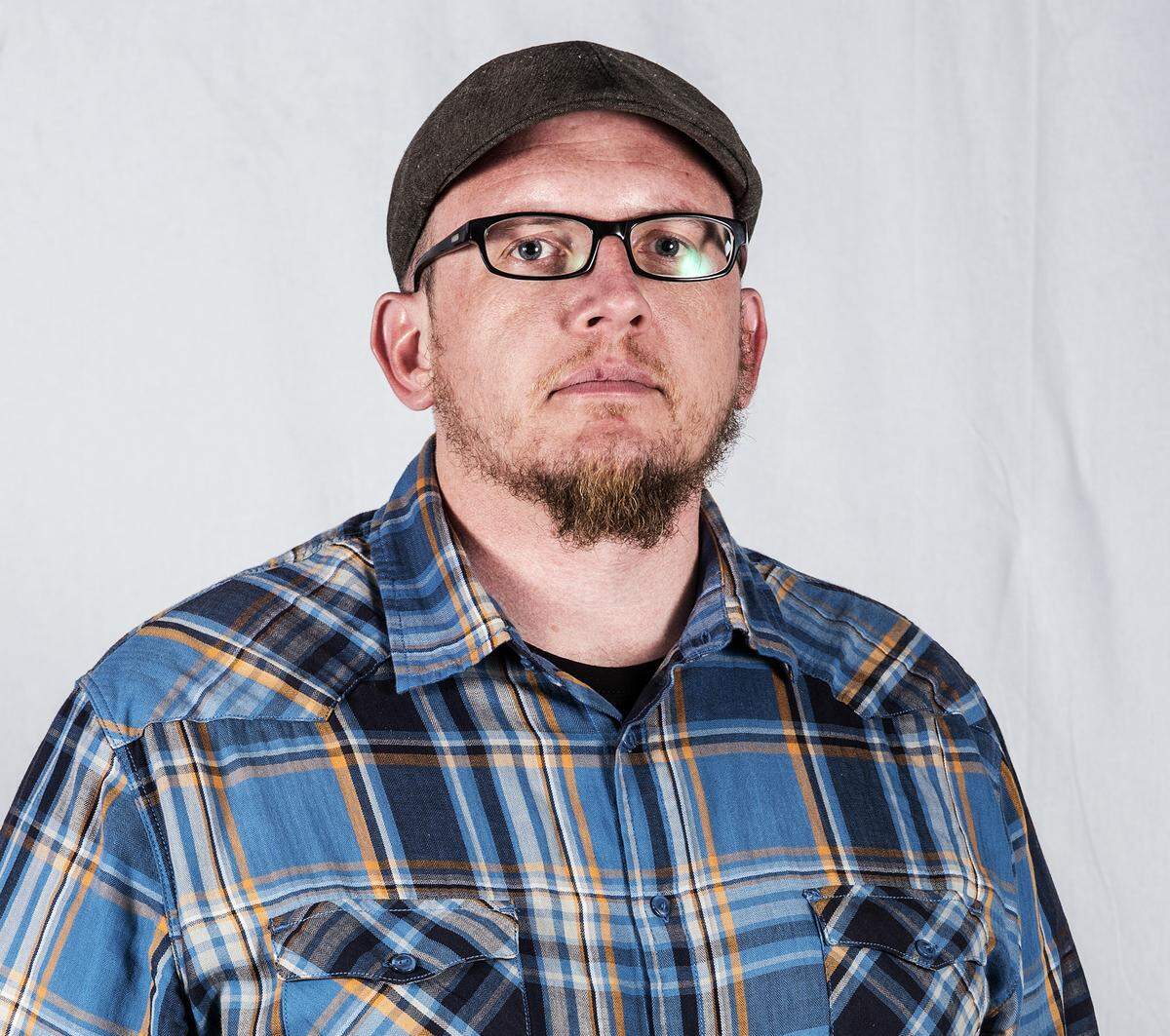
The act is part of a number of initiatives Councilmember Tyler Maxwell says he has planned. The policy was co-sponsored by two of his council colleagues, Nelson Esparza and Esmeralda Soria.
Councilmember Luis Chavez said he heard widespread support from his constituents, though many were concerned about how the city will cover the costs to FAX.
“Nobody expects this to be easy,” Chavez said. “The fact that the intent is to help people, nobody should lose sight of that.”
The city of Fresno pulls down from $5.5 million to $6 million a year from bus fares. The policy’s supporters say the city will find alternative sources to cover those costs.
That is likely Measure C, the half-cent Fresno County sales tax aimed at area transportation issues, or grants, officials said.
The city needs to cover that cost or could lose out on more than $30 million in matching federal funds, staffers said.
Councilmember Garry Bredefeld cast one of the two “no” votes, calling the policy “reckless” and “irresponsible.” The other “no” came from Councilmember Mike Karbassi.
Bus drivers cite difficult riders
A few bus drivers spoke at Thursday’s meeting, saying the initial start for the Bus Rapid Transit offered free rides on the BRT corridor but drew some difficult riders.
Lydia Chavez said she’s been a driver for five years, and said making rides free during the COVID-19 pandemic — when buses are capped at 10 riders — will lead to problems.
“Homeless people on the bus riding around and not having (room for) people to get on,” she said.
Karbassi said his concern for the safety of drivers led him to vote against the fare-less system.
But a number of riders and others showed their support for the idea. Fresno Unified School District Trustee Keisha Thomas said her constituents in southwest Fresno could benefit.
“My riders are the most likely to gain an advantage (by) being a rider,” she said.
Between 2017 and 2019, FAX ridership rose by almost 1 million rides, from 9.6 million to 10.5 million. The number plummeted in the COVID-19 era of 2020, when FAX officials put a limit on how many people could ride the bus at once and be safe.
According to FAX’s survey of ridership, 77% of riders don’t own or have access to a car and nearly as many (76%) make $20,000 or less a year.
Central and south Fresno is home to the largest contingency of riders with the largest groups in ZIP codes 93706, 93726, 93702 and 93727.
Maxwell said free rides will go a long way to getting people back to work who have already been hurt by the COVID-19 pandemic.
“We need to call it what it is,” he said. “It’s a regressive tax on our poorest people in the city of Fresno.”
This story was originally published February 18, 2021 at 3:32 PM.